American English Coonhound
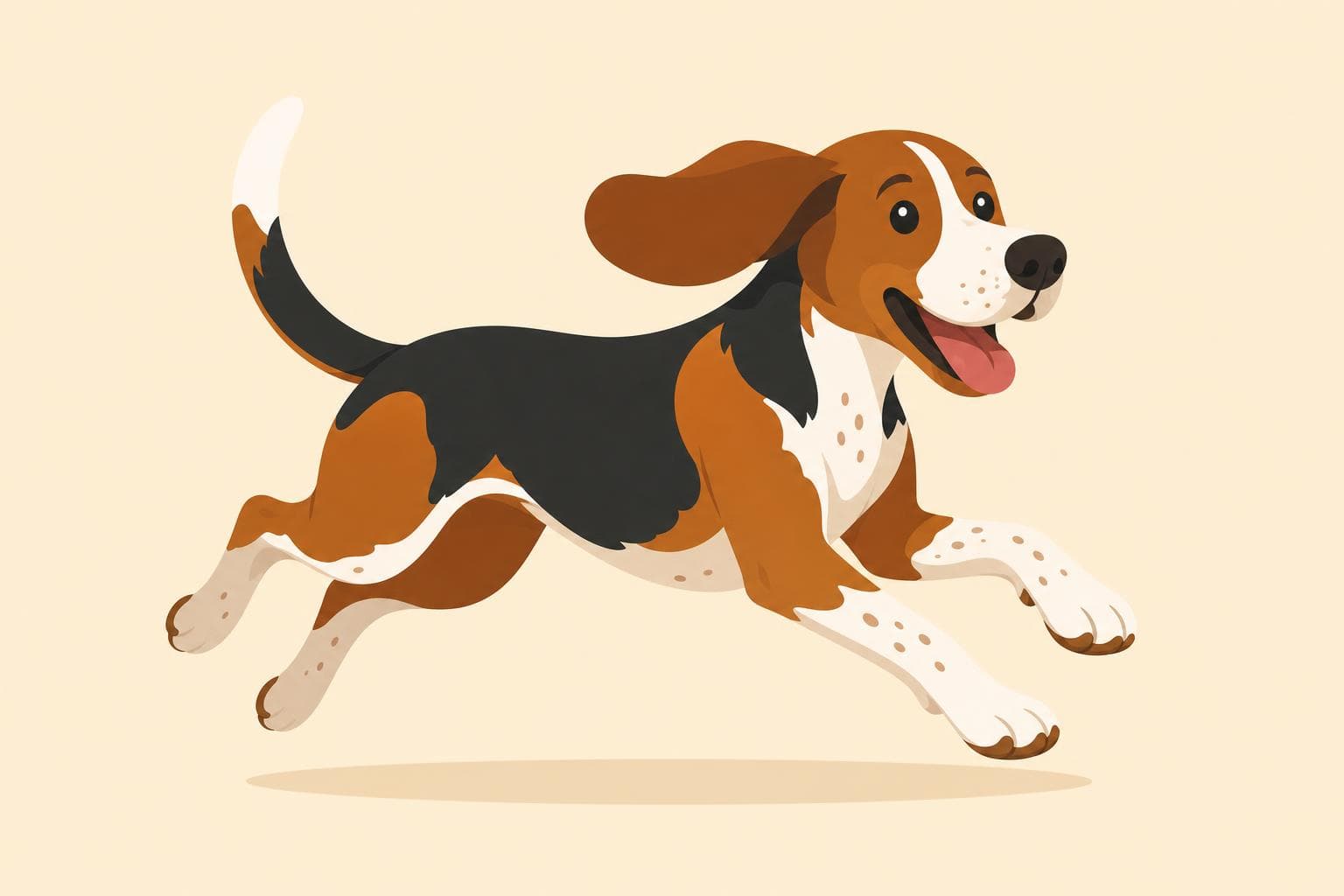
American English Coonhounds are warm, sociable dogs who thrive on being part of the family pack. They're famously good-natured with children — playful but rarely pushy — and they tend to get along well with other dogs thanks to their hound heritage. That said, they're true scent hounds at heart, which means an enticing smell can quickly override even the best manners, and their melodious baying voice is something every household should be prepared for.
Behavior & traits
- friendly with kids
- pack oriented
- scent driven
- playful
- vocal
Health concerns
American English Coonhounds are generally a hardy, healthy breed, but families should watch for hip dysplasia and occasional eye issues like progressive retinal atrophy. Their long, floppy ears trap moisture and need regular checks to prevent infections. Bloat (gastric torsion) can also affect deep-chested hounds, so avoid heavy exercise right after meals.
Responsible breeding and regular check-ups go a long way. Always ask breeders about health testing.
Feeding & nutrition
Feed a high-quality large-breed formula split into two meals a day to support their athletic build and high energy needs. Most adults do well on 2.5 to 3 cups of kibble daily, but active dogs may need more — adjust based on body condition. Because they're prone to bloat, use a slow-feeder bowl and avoid vigorous play immediately before or after eating.
Exercise needs
This is a high-octane breed that needs at least 1–2 hours of vigorous exercise every day to stay happy and well-behaved at home. Long hikes, jogging alongside a bike, fetch in a fenced yard, and scent-based games are all wonderful outlets. Without enough activity, expect baying, digging, and creative mischief — a tired coonhound is a polite coonhound.
Living with a American English Coonhound
Living with an American English Coonhound is loud, loving, and full of personality. Mornings often start with a stretch, a yawn, and a deep bay that the whole neighborhood can hear — these dogs are wonderfully vocal and use their voices to communicate everything from excitement to boredom. They're cuddly couch companions after exercise, but give them a whiff of a squirrel and they're suddenly all nose, all business, which is why a securely fenced yard and a sturdy leash are non-negotiable. Families love how patient and goofy they are with kids, and they tend to bond deeply with the whole household rather than just one person. Just be ready for muddy paws, the occasional howling concert, and a dog who would genuinely rather sniff than sit still.
Recommended products
A strong 6-foot leash and a well-fitted no-pull harness are essentials, since these dogs will follow their nose with surprising power. Invest in a slow-feeder bowl to reduce bloat risk, gentle ear-cleaning solution for their long floppy ears, and a rubber curry brush for weekly coat maintenance. For mental stimulation, snuffle mats, food puzzles, and long-lasting chews are lifesavers on rainy days when outdoor adventures aren't possible.
Reads for American English Coonhound owners
![[header] Border Collie with puzzle toys](/_next/image?url=https%3A%2F%2Fimages.ctfassets.net%2Fq8y32akc6zms%2F7eTvC6qBF3gqDFvQSzcpXM%2Fa35b628bfd670bfc52bf4bcd532fc1b6%2Fheader.jpg&w=3840&q=75)
Engaging Activities for Border Collies: A How-To Guide
Is your Border Collie always on the lookout for something to do? Dive into engaging mental activities that will keep their sharp minds busy and entertained!
![[header] Senior dog resting on an orthopedic bed while a puppy waits](/_next/image?url=https%3A%2F%2Fimages.ctfassets.net%2Fq8y32akc6zms%2F4EwnObSBED8EN4IbvFJgaN%2Fc15a1446d531fd28d8e6854c46c3de7f%2Fheader.jpg&w=3840&q=75)
Before the Puppy Arrives: A Pre-Arrival Checklist for Your Senior Dog
Your calm senior dog has been quietly compensating for aches, stiffness, and fading senses for years — and a new puppy is about to expose all of it. This pre-arrival checklist walks you through the vet workup, pain baseline, and home setup to tackle in the weeks *before* pickup day, so your older dog isn't blindsided by the chaos.
![[header] Small dog wearing a soft mesh harness walking on a sunny pat](/_next/image?url=https%3A%2F%2Fimages.ctfassets.net%2Fq8y32akc6zms%2F3p03PzT9zANgbTC9dAOMJ2%2Ff95efe8539856e9489ef9bd4e861c4ba%2Fheader.jpg&w=3840&q=75)
Comfortable Harnesses for Small Dogs Prone to Tracheal Collapse
Is your small dog coughing from their collar? Discover harnesses designed for pups prone to tracheal collapse, offering protection and comfort with every walk.