American Eskimo Dog
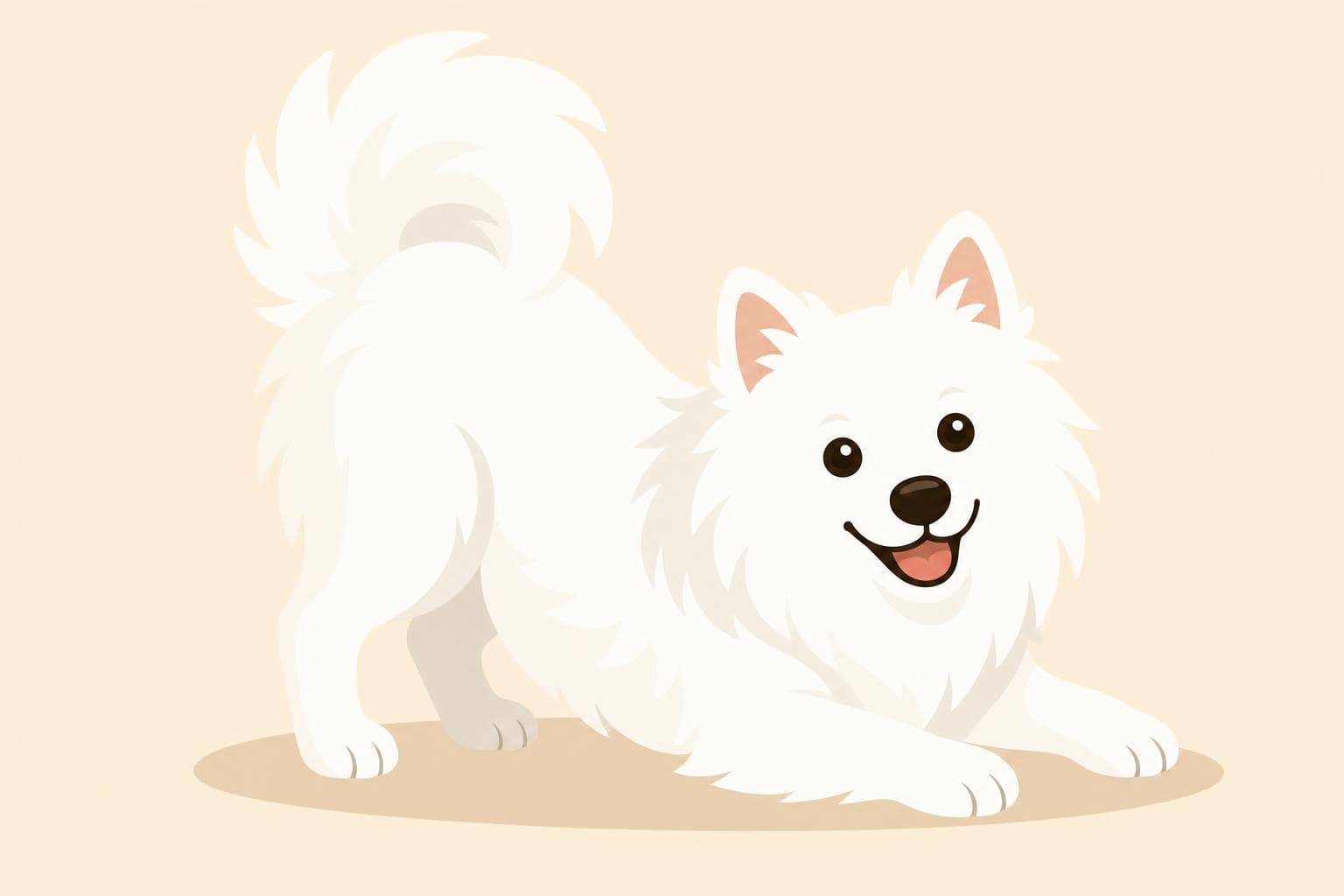
American Eskimo Dogs, affectionately called 'Eskies,' are bright, bubbly companions who thrive on being part of family life. They're highly intelligent and love having a job to do, whether that's learning tricks, playing fetch in the yard, or simply keeping a watchful eye on the household. Eskies are naturally social with their people but can be reserved around strangers, which makes them excellent little watchdogs. Expect a dog who's expressive, occasionally vocal, and always eager to be in the middle of the action.
Behavior & traits
- smart and quick learning
- playful with kids
- alert watchdog
- social
- vocal
Health concerns
American Eskimo Dogs are generally hardy, but families should be aware of hip dysplasia, progressive retinal atrophy (PRA), and luxating patellas. Dental issues and tear staining around the eyes can also be common. Routine vet visits, eye checks, and good dental hygiene go a long way in keeping an Eskie healthy through their long lifespan.
Responsible breeding and regular check-ups go a long way. Always ask breeders about health testing.
Feeding & nutrition
A high-quality dog food appropriate for the Eskie's size variety (toy, miniature, or standard) and activity level works best, typically split into two meals a day. Because Eskies can be prone to weight gain if overfed, measure portions carefully and limit table scraps. Healthy training treats are especially useful given how food-motivated and trainable this breed tends to be.
Exercise needs
Eskies are energetic and need 45–60 minutes of daily activity, including walks, fetch sessions, and mentally engaging games. They excel at agility, obedience, and trick training, which doubles as great bonding time for kids and parents. A bored Eskie can become barky or mischievous, so consistent play and mental stimulation are key to a happy household.
Living with a American Eskimo Dog
Living with an American Eskimo Dog is a bit like having a sparkling white shadow who follows you from room to room. They're affectionate and deeply bonded to their families, often forming strong attachments to children and joining in on playtime with genuine enthusiasm. Be prepared for shedding — that gorgeous double coat blows out seasonally, so vacuuming becomes a regular routine. Eskies are also famously talkative, with a range of barks, grumbles, and 'aroos' that they'll use to comment on doorbells, squirrels, or simply life in general. They're surprisingly easy to train, love learning new tricks, and reward families with years of loyal, joyful companionship.
Recommended products
A quality slicker brush and undercoat rake are absolute must-haves to manage the thick double coat and reduce shedding around the house. Interactive puzzle toys and treat-dispensing balls help channel their sharp intelligence and prevent boredom barking. A well-fitted Y-shaped harness makes walks comfortable for their compact frame, and a sturdy crate or cozy bed gives them a secure retreat. Don't forget a good dental care kit, since small to medium breeds like Eskies are prone to tartar buildup.
Reads for American Eskimo Dog owners
![[header] Border Collie with puzzle toys](/_next/image?url=https%3A%2F%2Fimages.ctfassets.net%2Fq8y32akc6zms%2F7eTvC6qBF3gqDFvQSzcpXM%2Fa35b628bfd670bfc52bf4bcd532fc1b6%2Fheader.jpg&w=3840&q=75)
Engaging Activities for Border Collies: A How-To Guide
Is your Border Collie always on the lookout for something to do? Dive into engaging mental activities that will keep their sharp minds busy and entertained!
![[header] Senior dog resting on an orthopedic bed while a puppy waits](/_next/image?url=https%3A%2F%2Fimages.ctfassets.net%2Fq8y32akc6zms%2F4EwnObSBED8EN4IbvFJgaN%2Fc15a1446d531fd28d8e6854c46c3de7f%2Fheader.jpg&w=3840&q=75)
Before the Puppy Arrives: A Pre-Arrival Checklist for Your Senior Dog
Your calm senior dog has been quietly compensating for aches, stiffness, and fading senses for years — and a new puppy is about to expose all of it. This pre-arrival checklist walks you through the vet workup, pain baseline, and home setup to tackle in the weeks *before* pickup day, so your older dog isn't blindsided by the chaos.
![[header] Small dog wearing a soft mesh harness walking on a sunny pat](/_next/image?url=https%3A%2F%2Fimages.ctfassets.net%2Fq8y32akc6zms%2F3p03PzT9zANgbTC9dAOMJ2%2Ff95efe8539856e9489ef9bd4e861c4ba%2Fheader.jpg&w=3840&q=75)
Comfortable Harnesses for Small Dogs Prone to Tracheal Collapse
Is your small dog coughing from their collar? Discover harnesses designed for pups prone to tracheal collapse, offering protection and comfort with every walk.