American Staffordshire Terrier
American Staffordshire Terriers, affectionately called AmStaffs, are deeply bonded to their people and often act like oversized lap dogs despite their muscular frame. They're known for their patience and affection with children, earning the old-fashioned nickname 'nanny dog' in many family homes. With proper socialization, they're confident and friendly, though their terrier roots mean they can be strong-willed and may not always get along with other dogs without careful introductions.
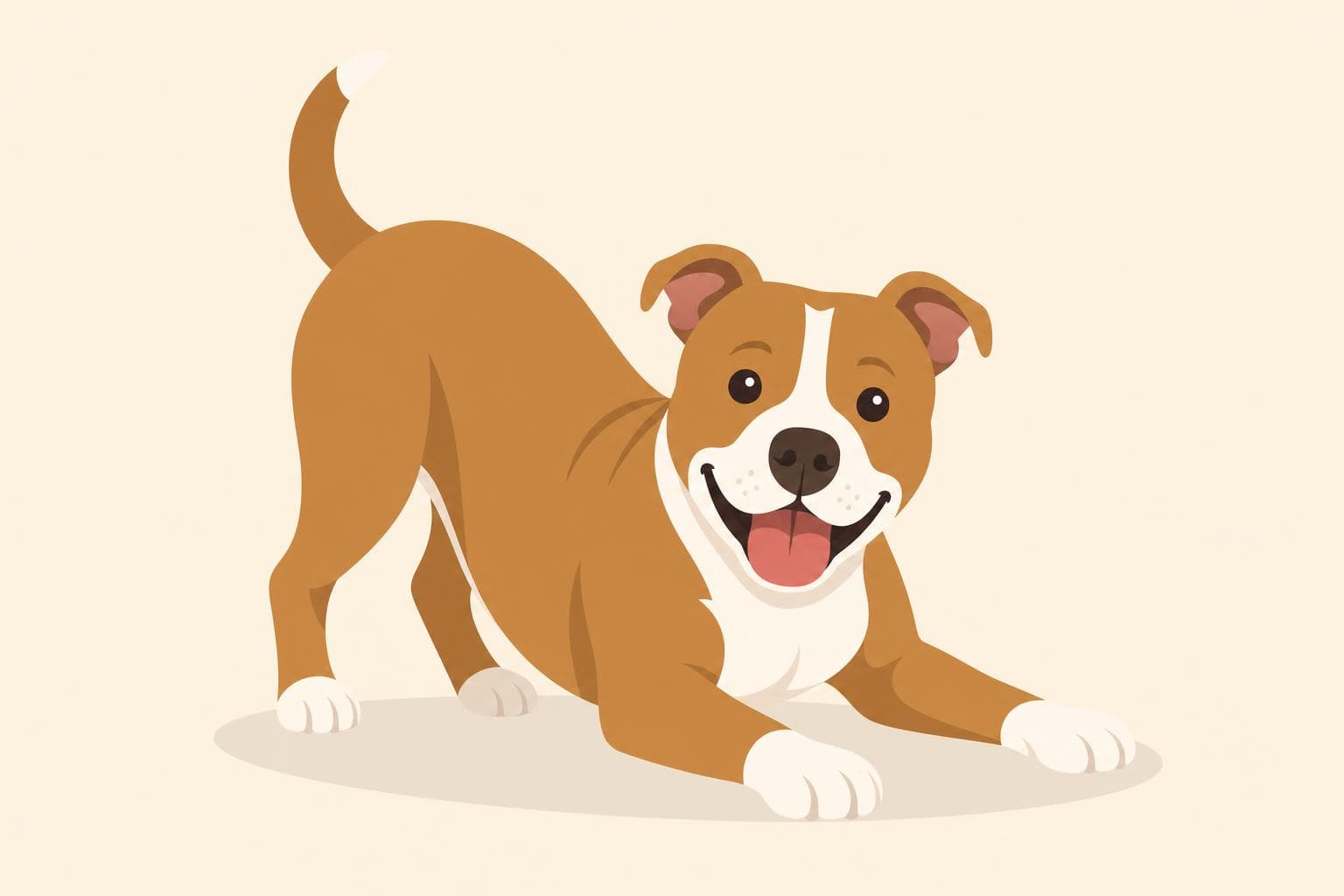
Behavior & traits
- devoted to family
- gentle with kids
- playful
- people pleasing
- protective
Health concerns
AmStaffs are generally hardy but can be prone to hip dysplasia, skin allergies, and certain heart conditions like cardiac issues. They may also develop hereditary cerebellar ataxia, so reputable breeders should screen for it. Regular vet checkups and a watchful eye on skin and joint health go a long way in keeping them thriving.
Responsible breeding and regular check-ups go a long way. Always ask breeders about health testing.
Feeding & nutrition
A high-quality protein-rich diet supports their muscular build, with portions tailored to their activity level to prevent weight gain. Most adults do well on two measured meals a day, and treats should be factored into daily calories since AmStaffs love food and can pack on pounds. Some are sensitive to grains or common allergens, so families may need to experiment to find the right formula.
Exercise needs
These athletic dogs need at least an hour of vigorous activity daily, including brisk walks, fetch sessions, or tug games in the backyard. Mental workouts like puzzle toys and training drills are just as important as physical exercise to prevent boredom. Families with active kids often find the AmStaff is happy to be a tireless playmate.
Living with a American Staffordshire Terrier
Living with an American Staffordshire Terrier means having a devoted shadow who wants to be wherever you are — on the couch during movie night, underfoot in the kitchen, and snuggled up at bedtime. They're surprisingly goofy and clownish, often making families laugh with their wiggly enthusiasm and signature 'smile.' Daily life revolves around exercise and connection; a bored or under-exercised AmStaff can become destructive, but a well-loved one is calm and cuddly indoors. Many owners are charmed by how gentle and tolerant they are with children, though their strength and exuberance mean supervision with smaller kids is wise. Be prepared for some public misconceptions about the breed — responsible ownership and good manners in public help show off what wonderful family dogs they truly are.
Recommended products
A sturdy front-clip harness is essential for walks since AmStaffs are strong pullers, and a heavy-duty leash will outlast lighter options. Invest in tough, durable chew toys like Kong Extreme or West Paw Zogoflex, because their powerful jaws shred lesser toys in minutes. A rubber curry brush keeps shedding under control on their short coat, and elevated stainless steel food bowls plus a puzzle feeder help slow down enthusiastic eaters while keeping mealtime fun.
Reads for American Staffordshire Terrier owners
![[header] Border Collie with puzzle toys](/_next/image?url=https%3A%2F%2Fimages.ctfassets.net%2Fq8y32akc6zms%2F7eTvC6qBF3gqDFvQSzcpXM%2Fa35b628bfd670bfc52bf4bcd532fc1b6%2Fheader.jpg&w=3840&q=75)
Engaging Activities for Border Collies: A How-To Guide
Is your Border Collie always on the lookout for something to do? Dive into engaging mental activities that will keep their sharp minds busy and entertained!
![[header] Senior dog resting on an orthopedic bed while a puppy waits](/_next/image?url=https%3A%2F%2Fimages.ctfassets.net%2Fq8y32akc6zms%2F4EwnObSBED8EN4IbvFJgaN%2Fc15a1446d531fd28d8e6854c46c3de7f%2Fheader.jpg&w=3840&q=75)
Before the Puppy Arrives: A Pre-Arrival Checklist for Your Senior Dog
Your calm senior dog has been quietly compensating for aches, stiffness, and fading senses for years — and a new puppy is about to expose all of it. This pre-arrival checklist walks you through the vet workup, pain baseline, and home setup to tackle in the weeks *before* pickup day, so your older dog isn't blindsided by the chaos.
![[header] Small dog wearing a soft mesh harness walking on a sunny pat](/_next/image?url=https%3A%2F%2Fimages.ctfassets.net%2Fq8y32akc6zms%2F3p03PzT9zANgbTC9dAOMJ2%2Ff95efe8539856e9489ef9bd4e861c4ba%2Fheader.jpg&w=3840&q=75)
Comfortable Harnesses for Small Dogs Prone to Tracheal Collapse
Is your small dog coughing from their collar? Discover harnesses designed for pups prone to tracheal collapse, offering protection and comfort with every walk.