Australian Cattle Dog
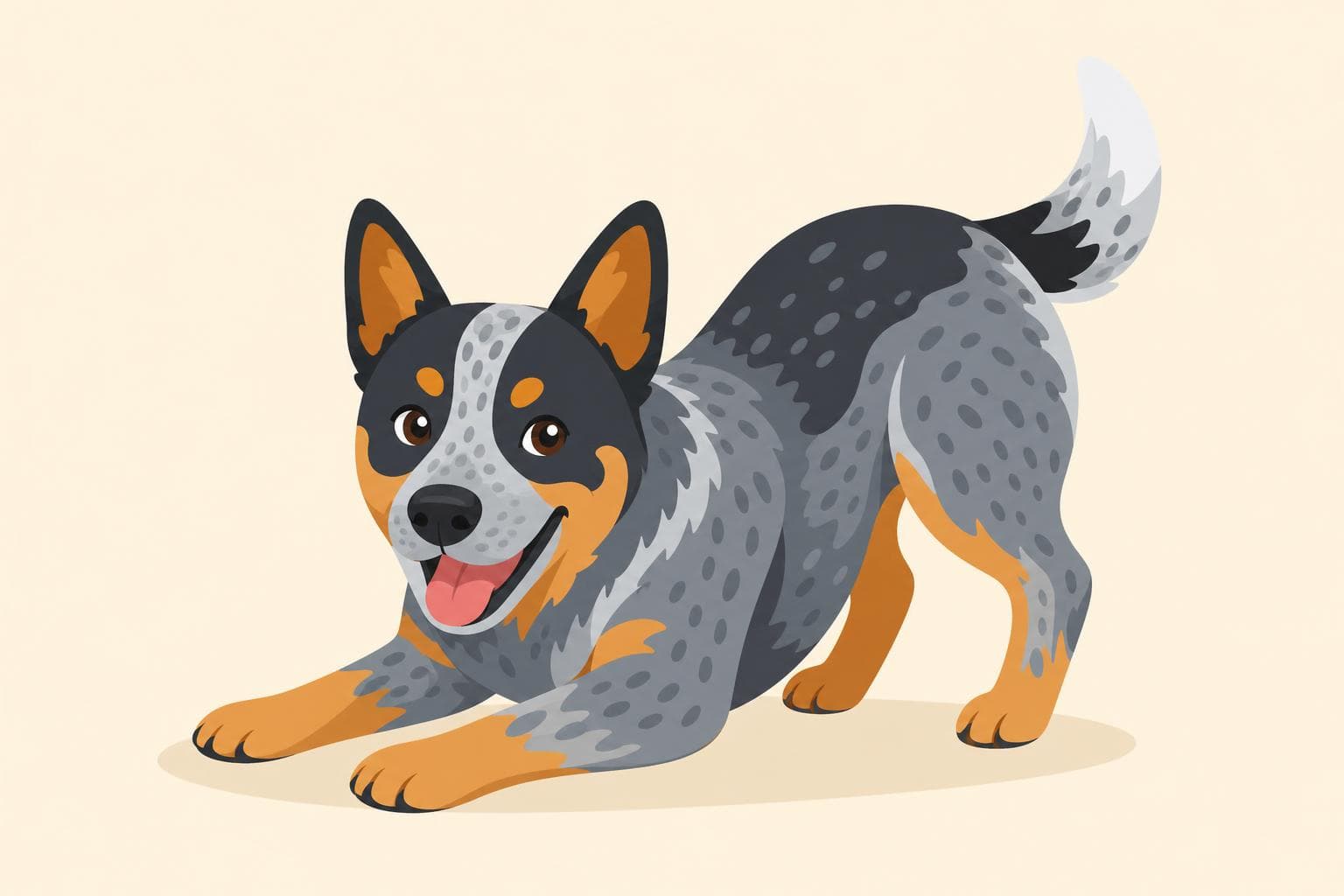
Australian Cattle Dogs, often called Blue or Red Heelers, are whip-smart, fiercely loyal companions who bond deeply with their people. In a family setting, they tend to attach closely to one or two members while remaining watchful and devoted to the whole household. Bred to work alongside ranchers, they thrive on having a job to do and can become mischievous if left to invent their own entertainment. They're confident, courageous, and surprisingly affectionate with their inner circle.
Behavior & traits
- devoted to family
- naturally protective
- highly trainable
- strong herding instinct
- wary of strangers
Health concerns
Australian Cattle Dogs are generally robust, but families should be aware of hip dysplasia, progressive retinal atrophy, and congenital deafness, which can occur in the breed. Regular vet checkups, hearing tests for puppies, and eye exams are smart preventive steps. Their long lifespan means quality nutrition and joint care from an early age really pay off.
Responsible breeding and regular check-ups go a long way. Always ask breeders about health testing.
Feeding & nutrition
Feed a high-quality, protein-rich diet formulated for active medium-sized dogs, typically 1.5 to 2.5 cups of dry food daily split into two meals. Because they're so energetic, growing puppies and working adults may need slightly more, but watch portions carefully as inactive Heelers can put on weight. Always provide fresh water, especially after exercise.
Exercise needs
This breed needs at least 1–2 hours of vigorous exercise daily, plus mental challenges like puzzle toys, training games, or dog sports. Families can meet these needs through long hikes, fetch sessions, agility classes, or teaching tricks in the backyard. A bored Heeler will find their own entertainment — often by herding kids, chewing furniture, or digging — so consistent activity is non-negotiable.
Living with a Australian Cattle Dog
Living with an Australian Cattle Dog is a bit like having a tireless, four-legged shadow who notices everything. They'll follow you from room to room, supervise your chores, and gently (or not so gently) herd the kids back together when they scatter — nipping at heels is a real instinct that needs early training to redirect. Mornings start early because your Heeler is ready to go, and evenings often end with a dog who's finally satisfied after a good run and some training. Families are often surprised by just how clever these dogs are; they pick up routines, words, and even bad habits faster than expected. With older children who respect their energy and a household that values activity, a Heeler becomes an unforgettable, devoted family member.
Recommended products
Invest in a sturdy front-clip harness and a 6-foot leash for controlled walks, plus a long line for safe off-leash practice in open spaces. Durable puzzle feeders, treat-dispensing toys like the Kong Wobbler, and tough chew toys are essential for burning mental energy between activities. A slicker brush or rubber curry mitt handles their double coat during seasonal shedding, and a raised dog bed gives them a designated cool-down spot. Consider agility equipment or a flirt pole for backyard play — Heelers genuinely thrive when they have outlets for their working drive.
Reads for Australian Cattle Dog owners
![[header] Border Collie with puzzle toys](/_next/image?url=https%3A%2F%2Fimages.ctfassets.net%2Fq8y32akc6zms%2F7eTvC6qBF3gqDFvQSzcpXM%2Fa35b628bfd670bfc52bf4bcd532fc1b6%2Fheader.jpg&w=3840&q=75)
Engaging Activities for Border Collies: A How-To Guide
Is your Border Collie always on the lookout for something to do? Dive into engaging mental activities that will keep their sharp minds busy and entertained!
![[header] Senior dog resting on an orthopedic bed while a puppy waits](/_next/image?url=https%3A%2F%2Fimages.ctfassets.net%2Fq8y32akc6zms%2F4EwnObSBED8EN4IbvFJgaN%2Fc15a1446d531fd28d8e6854c46c3de7f%2Fheader.jpg&w=3840&q=75)
Before the Puppy Arrives: A Pre-Arrival Checklist for Your Senior Dog
Your calm senior dog has been quietly compensating for aches, stiffness, and fading senses for years — and a new puppy is about to expose all of it. This pre-arrival checklist walks you through the vet workup, pain baseline, and home setup to tackle in the weeks *before* pickup day, so your older dog isn't blindsided by the chaos.
![[header] Small dog wearing a soft mesh harness walking on a sunny pat](/_next/image?url=https%3A%2F%2Fimages.ctfassets.net%2Fq8y32akc6zms%2F3p03PzT9zANgbTC9dAOMJ2%2Ff95efe8539856e9489ef9bd4e861c4ba%2Fheader.jpg&w=3840&q=75)
Comfortable Harnesses for Small Dogs Prone to Tracheal Collapse
Is your small dog coughing from their collar? Discover harnesses designed for pups prone to tracheal collapse, offering protection and comfort with every walk.