Australian Shepherd
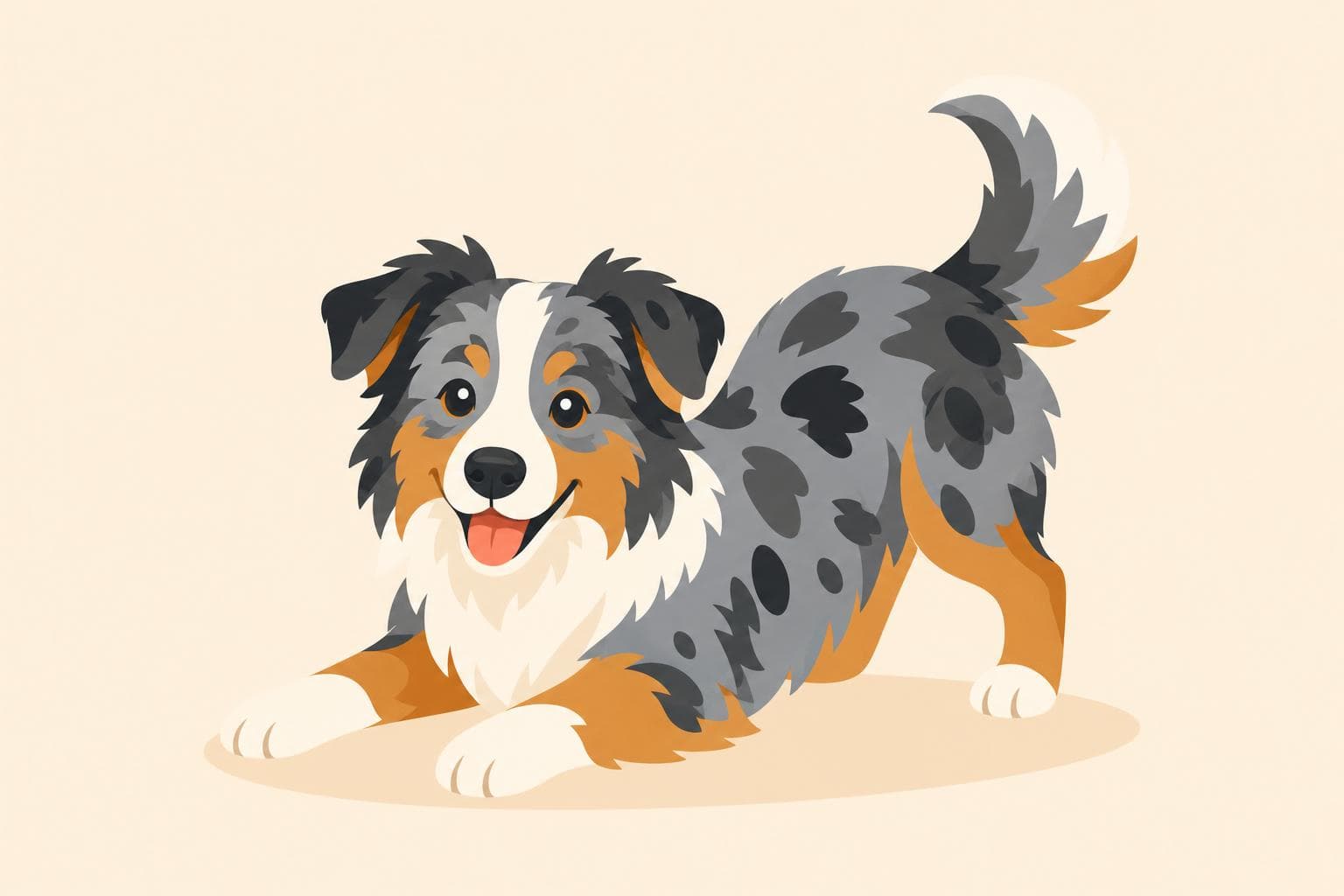
Australian Shepherds are bright, busy dogs who form deep bonds with their people and love being part of every family moment. They're playful and affectionate, often shadowing their favorite humans from room to room. With proper exercise and training, they're delightful companions — but a bored Aussie will invent his own (often mischievous) entertainment.
Behavior & traits
- devoted to family
- great with kids
- highly trainable
- protective
- playful
Health concerns
Australian Shepherds can be prone to hip and elbow dysplasia, certain eye conditions like cataracts and Collie Eye Anomaly, and epilepsy. They also carry the MDR1 gene mutation, which affects how they process certain medications, so families should ask their vet about testing. Choosing a reputable breeder who screens for these issues goes a long way toward a healthy life.
Responsible breeding and regular check-ups go a long way. Always ask breeders about health testing.
Feeding & nutrition
A high-quality diet formulated for active medium-sized dogs typically works best, with most adult Aussies eating around 1.5 to 2.5 cups of kibble split into two meals daily. Because they're so active, their food should provide solid protein and healthy fats to fuel their energy. Watch portions carefully if your Aussie is more of a weekend warrior, as extra weight stresses their joints.
Exercise needs
Plan on at least 1–2 hours of vigorous activity every day — think hiking, fetch, agility, or long backyard play sessions. Mental exercise matters just as much as physical: puzzle toys, training games, and learning new tricks help tire out that busy brain. Families with active routines, older kids who love to play, or access to open spaces tend to thrive with this breed.
Living with a Australian Shepherd
Living with an Australian Shepherd means having a devoted shadow who genuinely wants to be involved in everything — folding laundry, walking the kids to the bus stop, even watching you cook dinner. They're famously good with children, often gentle and patient, though their herding instincts can lead them to nudge or circle little ones, which is easily redirected with training. Expect tufts of fur on your floors, especially during the twice-yearly 'coat blow,' and plan for a dog who needs a real job, whether that's daily fetch, dog sports, or learning new commands. Aussies are sensitive souls who pick up on the household mood, so they thrive in homes where they're included rather than left in the backyard. The biggest surprise for many families? Just how clever they are — your Aussie will likely learn the routine, open doors, and outsmart you more often than you'd expect.
Recommended products
A sturdy slicker brush and undercoat rake are non-negotiable for managing that beautiful double coat, especially during shedding seasons. Invest in a no-pull harness for walks and a long training leash for recall practice in open spaces. Puzzle feeders, snuffle mats, and durable tug toys help channel their endless mental energy, and a quality flirt pole is a family favorite for burning off steam in the backyard.
Reads for Australian Shepherd owners
![[header] Illustrated owner and athletic dog hiking a mountain trail t](/_next/image?url=https%3A%2F%2Fimages.ctfassets.net%2Fq8y32akc6zms%2F7DNPyseenZ7Tn8tGjdRmVN%2F8db03a8d9ee4dbc7b75637e6f5d162fc%2Fheader.jpg&w=3840&q=75)
The Adventure Buddy: The Owner Archetype Who Treats the World as a Playgrounda
Got The Adventure Buddy on your LiveLaughWoof assessment? Here's what it actually says about you — and the dog personalities most likely to thrive at your pace. Plus the one skill most adventure-forward owners forget to teach their athletic dogs, and the breeds that tend to fit best.
![[header] Flat cartoon illustration of an owner training an attentive](/_next/image?url=https%3A%2F%2Fimages.ctfassets.net%2Fq8y32akc6zms%2F7CllxL16iNPhcl8q0z6bIP%2F7fd060804f20a0c5d711a64ff4e038e8%2Fheader.jpg&w=3840&q=75)
The Coach: The Owner Archetype Who Turns Training Into a Love Language
Organised, driven, and happiest when there's a plan? You might be The Coach — the owner archetype who turns training into a love language and gets the best out of a smart, high-drive dog. Here's the portrait, the pairings that click, and the one growth edge worth watching.
![[header] Row of six dogs from behind showing different tail shapes: c](/_next/image?url=https%3A%2F%2Fimages.ctfassets.net%2Fq8y32akc6zms%2F5nZnsETzgmjI9IRFWlh9Iq%2F64d1c62b2a2507a1e8960c07c7e18ffd%2Fheader.jpg&w=3840&q=75)
Reading Your Dog's Tail When It Doesn't Wag by the Book
If your dog has a curly, nubby, sickle, or docked tail, the standard 'low wag means happy' chart was never built for them. Here's how neutral, alert, and anxious actually look on Pugs, Corgis, Huskies, Boxers, and more — plus the secondary signals (hips, hackles, base tension) that fill in the gaps the tail can't.