Australian Terrier
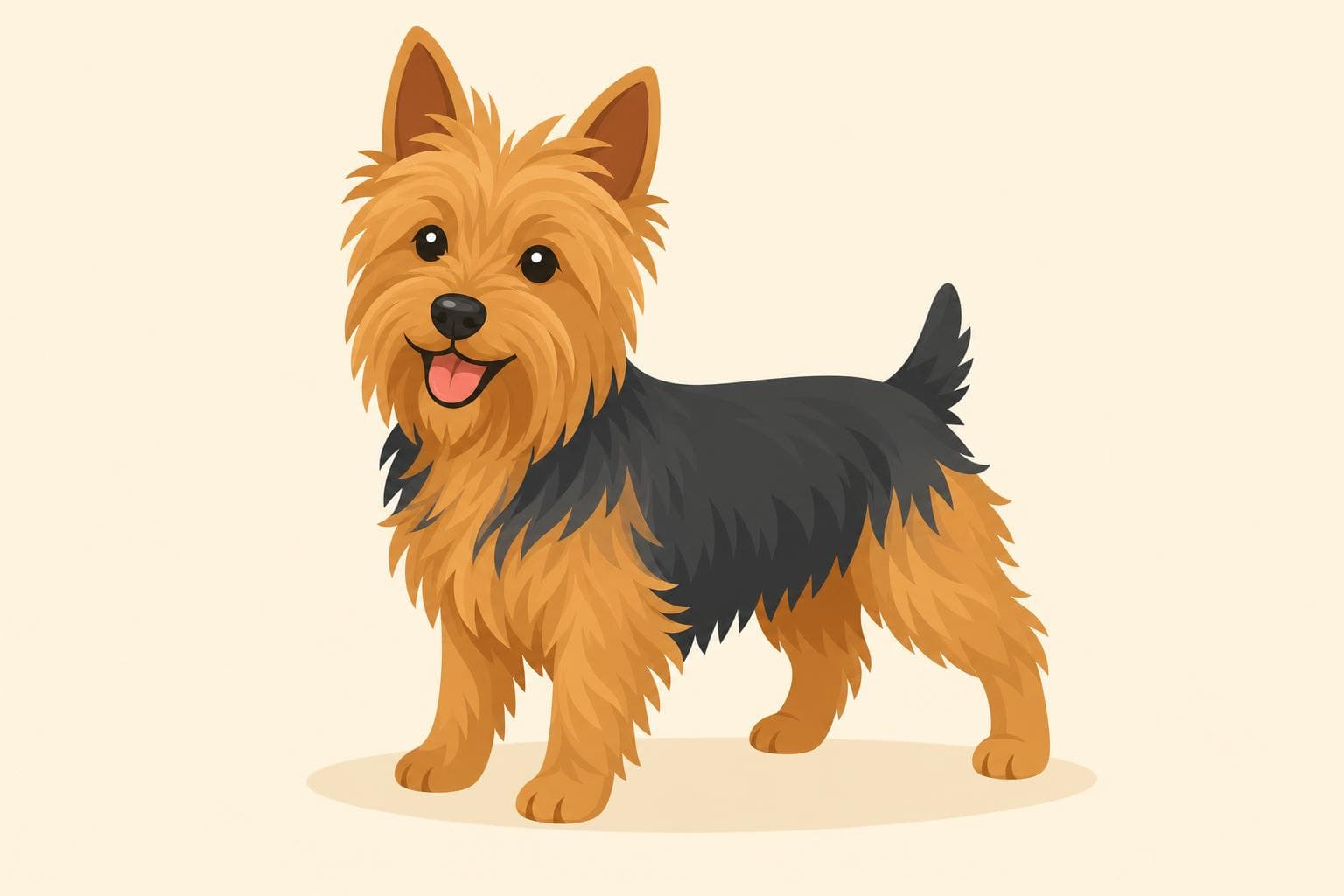
Australian Terriers are big personalities packed into small, sturdy bodies. They're affectionate with their people, eager to be part of every family activity, and confident enough to alert you when the mail carrier arrives. While they have the classic terrier feistiness, they tend to be a bit more biddable and people-focused than some of their terrier cousins, which makes them a joy in busy households.
Behavior & traits
- devoted to family
- good with older kids
- alert watchdog
- playful
- independent streak
Health concerns
Australian Terriers are generally a hardy, long-lived breed, but families should watch for patellar luxation (slipping kneecaps), Legg-Calvé-Perthes disease, and diabetes, which can show up later in life. Allergies and certain skin conditions are also occasionally seen. Regular vet checkups and keeping your Aussie at a healthy weight go a long way toward a long, happy life.
Responsible breeding and regular check-ups go a long way. Always ask breeders about health testing.
Feeding & nutrition
Feed a high-quality small-breed dog food, usually about 1/2 to 1 cup per day split into two meals. Aussies love their food and can put on weight easily, so measure portions and go easy on table scraps — especially since the breed has some predisposition to diabetes. Fresh water and a consistent feeding schedule help keep digestion and energy levels steady.
Exercise needs
Plan on about 30–45 minutes of daily activity, which can include a brisk walk, backyard play, or a lively game of fetch in the living room. Australian Terriers love having a job, so puzzle toys, short training sessions, and family games keep their minds as busy as their bodies. They'll happily hike with active families but are just as content with shorter outings, making them flexible for varied household routines.
Living with a Australian Terrier
Living with an Australian Terrier means having a small but mighty shadow following you from room to room. They're surprisingly adaptable — happy in apartments or houses with yards — as long as they're with their people. Expect a vocal little watchdog who will announce visitors, squirrels, and the occasional rustling leaf, but who also settles in nicely on the couch for evening cuddles. They generally do well with respectful older children and can coexist with other pets they've grown up with, though their terrier instincts mean small critters and quick-moving cats might trigger a chase. Most families are pleasantly surprised by how trainable, tidy, and emotionally tuned-in this breed is compared to other terriers.
Recommended products
A slicker brush and metal comb are essentials for maintaining their weather-resistant coat, along with hand-stripping tools or a good groomer if you want to preserve the classic harsh texture. A well-fitted Y-front harness protects their small frame on walks and gives you better control when their prey drive kicks in. Stock up on durable chew toys and puzzle feeders to channel their busy terrier brains, and consider a cozy elevated bed — Aussies love a perch where they can keep an eye on the household.
Reads for Australian Terrier owners
![[header] Border Collie with puzzle toys](/_next/image?url=https%3A%2F%2Fimages.ctfassets.net%2Fq8y32akc6zms%2F7eTvC6qBF3gqDFvQSzcpXM%2Fa35b628bfd670bfc52bf4bcd532fc1b6%2Fheader.jpg&w=3840&q=75)
Engaging Activities for Border Collies: A How-To Guide
Is your Border Collie always on the lookout for something to do? Dive into engaging mental activities that will keep their sharp minds busy and entertained!
![[header] Senior dog resting on an orthopedic bed while a puppy waits](/_next/image?url=https%3A%2F%2Fimages.ctfassets.net%2Fq8y32akc6zms%2F4EwnObSBED8EN4IbvFJgaN%2Fc15a1446d531fd28d8e6854c46c3de7f%2Fheader.jpg&w=3840&q=75)
Before the Puppy Arrives: A Pre-Arrival Checklist for Your Senior Dog
Your calm senior dog has been quietly compensating for aches, stiffness, and fading senses for years — and a new puppy is about to expose all of it. This pre-arrival checklist walks you through the vet workup, pain baseline, and home setup to tackle in the weeks *before* pickup day, so your older dog isn't blindsided by the chaos.
![[header] Small dog wearing a soft mesh harness walking on a sunny pat](/_next/image?url=https%3A%2F%2Fimages.ctfassets.net%2Fq8y32akc6zms%2F3p03PzT9zANgbTC9dAOMJ2%2Ff95efe8539856e9489ef9bd4e861c4ba%2Fheader.jpg&w=3840&q=75)
Comfortable Harnesses for Small Dogs Prone to Tracheal Collapse
Is your small dog coughing from their collar? Discover harnesses designed for pups prone to tracheal collapse, offering protection and comfort with every walk.