Beagle
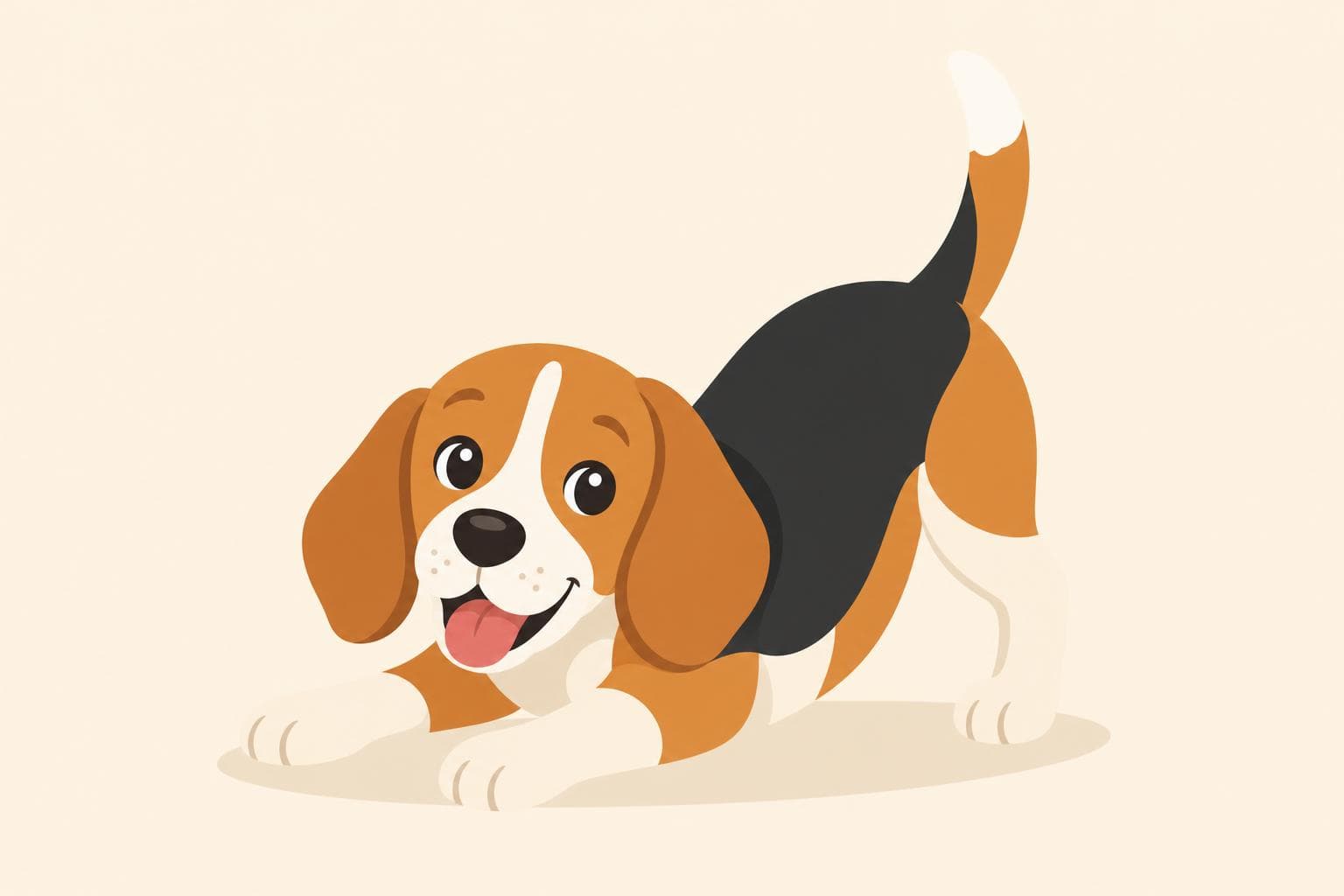
Beagles are happy-go-lucky companions with a cheerful 'merry' disposition that makes them a long-standing family favorite. They thrive on company — both human and canine — and tend to get along beautifully with children, often matching kids' energy and playfulness. Their nose, however, rules their world, so don't be surprised when a sniff trail suddenly outranks your call to come back inside.
Behavior & traits
- gentle with kids
- playful
- food motivated
- scent driven
- pack oriented
Health concerns
Beagles are generally hardy but can be prone to ear infections due to their long, floppy ears, so weekly ear checks are a smart family habit. They're also susceptible to obesity (thanks to their bottomless appetites), hip dysplasia, epilepsy, and a condition called intervertebral disc disease. Routine vet visits and weight monitoring go a long way toward a long, healthy life.
Responsible breeding and regular check-ups go a long way. Always ask breeders about health testing.
Feeding & nutrition
Most Beagles do well on 3/4 to 1.5 cups of high-quality dry food daily, split into two meals to help curb their endless appetite. Because this breed will happily eat anything they find — counter-surfing included — measured portions and limited treats are essential. Keep an eye on body condition, as even a couple of extra pounds can strain their backs and joints.
Exercise needs
Beagles need at least an hour of activity each day to stay happy and well-behaved at home. Long walks on-leash, fenced-yard play, sniff games, and family hikes are all perfect outlets for their hound energy. A bored Beagle is a noisy, mischievous Beagle — so building daily exercise into the family routine makes a huge difference.
Living with a Beagle
Living with a Beagle means living with a sweet, lively shadow who wants to be wherever the family is — on the couch, at the dinner table (uninvited), and tucked in at bedtime. They're famously vocal, with a distinctive baying and howling that neighbors will eventually come to recognize, so suburban or rural homes tend to suit them best. Expect a dog who follows their nose first and listens second, which means secure fencing and a reliable leash are non-negotiable. They shed more than people expect for a short-coated breed, so a quick weekly brush and a good vacuum become part of life. In return, you get a joyful, affectionate, kid-friendly companion who turns ordinary days into little adventures.
Recommended products
A sturdy 6-foot leash and a no-pull harness are must-haves, since Beagles will absolutely follow a scent into the next zip code if given the chance. Invest in a slow-feeder bowl to pace their enthusiastic eating, plus food-puzzle toys and snuffle mats to channel that powerful nose into positive play. A rubber curry brush or grooming mitt handles their seasonal shedding nicely, and gentle ear-cleaning wipes should be a weekly staple to keep those floppy ears healthy.
Reads for Beagle owners
![[header] Illustration of an independent, alert dog standing tall on a](/_next/image?url=https%3A%2F%2Fimages.ctfassets.net%2Fq8y32akc6zms%2F2gzuqwZwZ14Q09lboD5AMo%2F15d52448517f45946bc4f35a41d74cfa%2Fheader.jpg&w=3840&q=75)
The Free Spirit: The Dog Who Writes Their Own Rulebook
Independent, opinionated, and ruled by a glorious chase instinct — The Free Spirit is the dog who came into your life with their own agenda and no plans to update it. If that sounds like your dog (or your dream dog), this portrait is for you. Inside: the traits, the best-matched owners, and the breeds that tend to land here.
![[header] Border Collie with puzzle toys](/_next/image?url=https%3A%2F%2Fimages.ctfassets.net%2Fq8y32akc6zms%2F7eTvC6qBF3gqDFvQSzcpXM%2Fa35b628bfd670bfc52bf4bcd532fc1b6%2Fheader.jpg&w=3840&q=75)
Engaging Activities for Border Collies: A How-To Guide
Is your Border Collie always on the lookout for something to do? Dive into engaging mental activities that will keep their sharp minds busy and entertained!
![[header] Senior dog resting on an orthopedic bed while a puppy waits](/_next/image?url=https%3A%2F%2Fimages.ctfassets.net%2Fq8y32akc6zms%2F4EwnObSBED8EN4IbvFJgaN%2Fc15a1446d531fd28d8e6854c46c3de7f%2Fheader.jpg&w=3840&q=75)
Before the Puppy Arrives: A Pre-Arrival Checklist for Your Senior Dog
Your calm senior dog has been quietly compensating for aches, stiffness, and fading senses for years — and a new puppy is about to expose all of it. This pre-arrival checklist walks you through the vet workup, pain baseline, and home setup to tackle in the weeks *before* pickup day, so your older dog isn't blindsided by the chaos.