Belgian Malinois
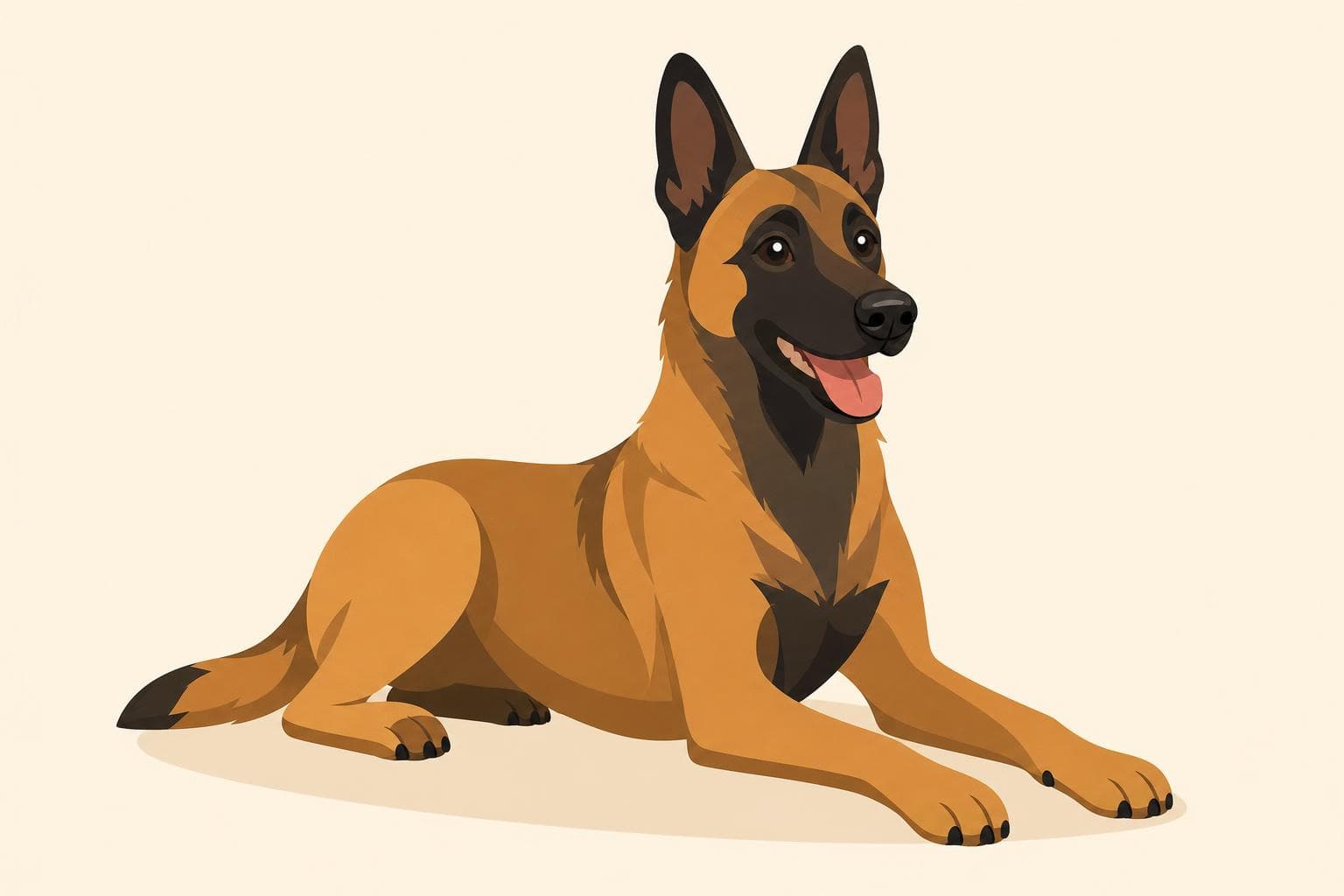
Belgian Malinois are brilliant, devoted dogs who bond intensely with their families and thrive when they have a job to do. They're alert, watchful, and quick to learn — sometimes faster than their owners would like. In a family home, a well-raised Mal can be affectionate and playful, but their working-dog intensity means they're best suited to households that can match their drive with structure, training, and plenty of activity.
Behavior & traits
- highly trainable
- strong work drive
- deeply bonded to family
- protective
- needs constant stimulation
Health concerns
Belgian Malinois are generally a hardy, long-lived breed, but families should watch for hip and elbow dysplasia, progressive retinal atrophy, and occasional epilepsy. Choosing a reputable breeder who health-tests parent dogs goes a long way in avoiding common issues. Regular vet checkups and maintaining a lean body weight help keep them sound well into their senior years.
Responsible breeding and regular check-ups go a long way. Always ask breeders about health testing.
Feeding & nutrition
A high-quality, protein-rich diet suits their athletic build and active lifestyle, typically 2–3 cups of food daily split into two meals. Because they burn so many calories, working or heavily exercised Mals may need more, while less active dogs can easily gain weight if overfed. Always provide fresh water, especially after exercise sessions.
Exercise needs
This is a breed that needs serious daily exercise — think 1.5 to 2 hours of vigorous activity, not just a stroll around the block. Families can meet these needs with running, hiking, fetch, agility, scent work, or dog sports like flyball. Mental challenges are just as important as physical ones; a bored Mal will invent its own (often destructive) entertainment.
Living with a Belgian Malinois
Living with a Belgian Malinois is a bit like living with a four-legged athlete who also happens to be your shadow. They follow you from room to room, anticipate your next move, and often try to herd the kids during backyard play. Mornings usually start with a long run or training session, because a Mal without an outlet by 9 a.m. will find one — usually involving your shoes or the couch cushions. Families often describe them as intensely loyal, surprisingly sensitive, and endlessly entertaining, but also demanding in ways that surprise first-time owners. With older, active children and a household that genuinely enjoys outdoor adventure, a Mal becomes the most devoted family member you've ever known.
Recommended products
A sturdy front-clip harness and a long training leash are must-haves for managing their energy and channeling their drive on walks. Invest in heavy-duty puzzle toys, flirt poles, and tug ropes designed for power chewers — soft plush toys rarely survive a week. A rubber slicker brush handles their twice-yearly heavy shed, and a raised, stainless steel food and water set holds up to enthusiastic mealtimes. Many families also find a crate and a designated 'job' like a backpack for hikes invaluable for daily structure.
Reads for Belgian Malinois owners
![[header] Flat cartoon illustration of an owner training an attentive](/_next/image?url=https%3A%2F%2Fimages.ctfassets.net%2Fq8y32akc6zms%2F7CllxL16iNPhcl8q0z6bIP%2F7fd060804f20a0c5d711a64ff4e038e8%2Fheader.jpg&w=3840&q=75)
The Coach: The Owner Archetype Who Turns Training Into a Love Language
Organised, driven, and happiest when there's a plan? You might be The Coach — the owner archetype who turns training into a love language and gets the best out of a smart, high-drive dog. Here's the portrait, the pairings that click, and the one growth edge worth watching.
![[header] Border Collie with puzzle toys](/_next/image?url=https%3A%2F%2Fimages.ctfassets.net%2Fq8y32akc6zms%2F7eTvC6qBF3gqDFvQSzcpXM%2Fa35b628bfd670bfc52bf4bcd532fc1b6%2Fheader.jpg&w=3840&q=75)
Engaging Activities for Border Collies: A How-To Guide
Is your Border Collie always on the lookout for something to do? Dive into engaging mental activities that will keep their sharp minds busy and entertained!
![[header] Senior dog resting on an orthopedic bed while a puppy waits](/_next/image?url=https%3A%2F%2Fimages.ctfassets.net%2Fq8y32akc6zms%2F4EwnObSBED8EN4IbvFJgaN%2Fc15a1446d531fd28d8e6854c46c3de7f%2Fheader.jpg&w=3840&q=75)
Before the Puppy Arrives: A Pre-Arrival Checklist for Your Senior Dog
Your calm senior dog has been quietly compensating for aches, stiffness, and fading senses for years — and a new puppy is about to expose all of it. This pre-arrival checklist walks you through the vet workup, pain baseline, and home setup to tackle in the weeks *before* pickup day, so your older dog isn't blindsided by the chaos.