Belgian Sheepdog
Belgian Sheepdogs are deeply devoted companions who form intense bonds with their people and like to be wherever the family is. They're naturally alert and protective, often appointing themselves as the household's gentle watchdog without being aggressive. With proper socialization, they're affectionate and patient with children in their family, though their herding instincts may prompt them to nudge or circle running kids. Smart and sensitive, they thrive when included in daily life rather than left to their own devices.
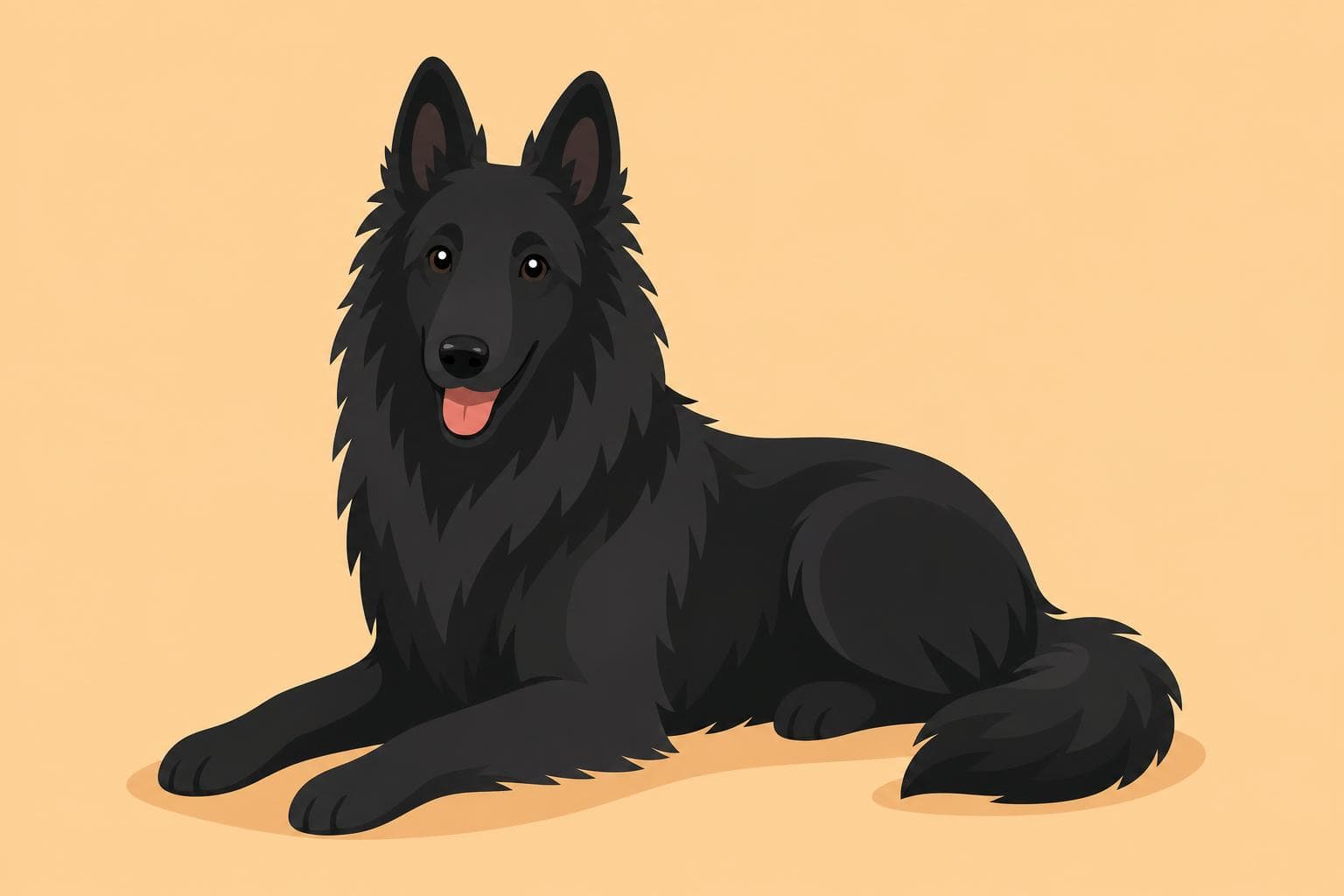
Behavior & traits
- devoted to family
- watchful and protective
- highly trainable
- gentle with familiar children
- needs mental stimulation
Health concerns
Belgian Sheepdogs are generally a healthy breed but can be prone to hip and elbow dysplasia, epilepsy, and certain eye conditions like progressive retinal atrophy. Some lines are also susceptible to thyroid issues and certain cancers, so regular vet checkups and screening from reputable breeders matter. Keeping them at a healthy weight goes a long way toward protecting their joints over their relatively long lifespan.
Responsible breeding and regular check-ups go a long way. Always ask breeders about health testing.
Feeding & nutrition
Feed a high-quality diet formulated for active medium-to-large breeds, typically 2–3 cups of dry food per day split into two meals. Because they're athletic and energetic, they do well on food with quality protein and moderate fat to fuel their activity without packing on extra pounds. Watch portion sizes carefully, as a bored or under-exercised Belgian can gain weight quickly.
Exercise needs
This breed needs at least 1–2 hours of vigorous daily exercise, ideally a mix of physical activity and mental challenges. Families can meet this with long walks, hikes, fetch sessions, agility, herding trials, or dog sports — these dogs genuinely love having a job. A bored Belgian Sheepdog can become anxious or destructive, so plan for active engagement, not just backyard time.
Living with a Belgian Sheepdog
Living with a Belgian Sheepdog means having a constant, attentive shadow — they follow you from room to room and want to be involved in everything from breakfast prep to bedtime stories. Families are often surprised by just how 'tuned in' these dogs are; they read moods, anticipate routines, and respond to subtle cues remarkably fast. Daily life revolves around giving them enough activity and mental work, because an under-stimulated Belgian will invent its own (often inconvenient) jobs. Expect a lot of black fur on your floors and furniture, especially during seasonal shedding blowouts in spring and fall. In return, you get a fiercely loyal companion who adores your kids, keeps a watchful eye on the home, and bonds with your family in a way that feels truly special.
Recommended products
A sturdy slicker brush and undercoat rake are non-negotiable for managing their thick double coat, especially during shedding seasons, along with a good vacuum built for pet hair. Invest in a well-fitted no-pull harness for walks and a long training leash for recall practice in open spaces. Puzzle feeders, snuffle mats, and durable interactive toys like Kongs or treat-dispensing balls help satisfy their sharp minds on rainy days. A raised, washable dog bed in a central family spot is ideal, since this breed always wants to be near the action.
Reads for Belgian Sheepdog owners
![[header] Border Collie with puzzle toys](/_next/image?url=https%3A%2F%2Fimages.ctfassets.net%2Fq8y32akc6zms%2F7eTvC6qBF3gqDFvQSzcpXM%2Fa35b628bfd670bfc52bf4bcd532fc1b6%2Fheader.jpg&w=3840&q=75)
Engaging Activities for Border Collies: A How-To Guide
Is your Border Collie always on the lookout for something to do? Dive into engaging mental activities that will keep their sharp minds busy and entertained!
![[header] Senior dog resting on an orthopedic bed while a puppy waits](/_next/image?url=https%3A%2F%2Fimages.ctfassets.net%2Fq8y32akc6zms%2F4EwnObSBED8EN4IbvFJgaN%2Fc15a1446d531fd28d8e6854c46c3de7f%2Fheader.jpg&w=3840&q=75)
Before the Puppy Arrives: A Pre-Arrival Checklist for Your Senior Dog
Your calm senior dog has been quietly compensating for aches, stiffness, and fading senses for years — and a new puppy is about to expose all of it. This pre-arrival checklist walks you through the vet workup, pain baseline, and home setup to tackle in the weeks *before* pickup day, so your older dog isn't blindsided by the chaos.
![[header] Small dog wearing a soft mesh harness walking on a sunny pat](/_next/image?url=https%3A%2F%2Fimages.ctfassets.net%2Fq8y32akc6zms%2F3p03PzT9zANgbTC9dAOMJ2%2Ff95efe8539856e9489ef9bd4e861c4ba%2Fheader.jpg&w=3840&q=75)
Comfortable Harnesses for Small Dogs Prone to Tracheal Collapse
Is your small dog coughing from their collar? Discover harnesses designed for pups prone to tracheal collapse, offering protection and comfort with every walk.