Belgian Tervuren
The Belgian Tervuren is a deeply devoted companion who bonds closely with every member of the family, often shadowing their favorite people from room to room. They're alert, sensitive, and quick to read household moods, which makes them wonderfully tuned in but also means harsh words can hurt their feelings. With proper socialization, they're gentle and patient with children they're raised alongside, though their natural herding instinct may show up as gentle nudging during play.
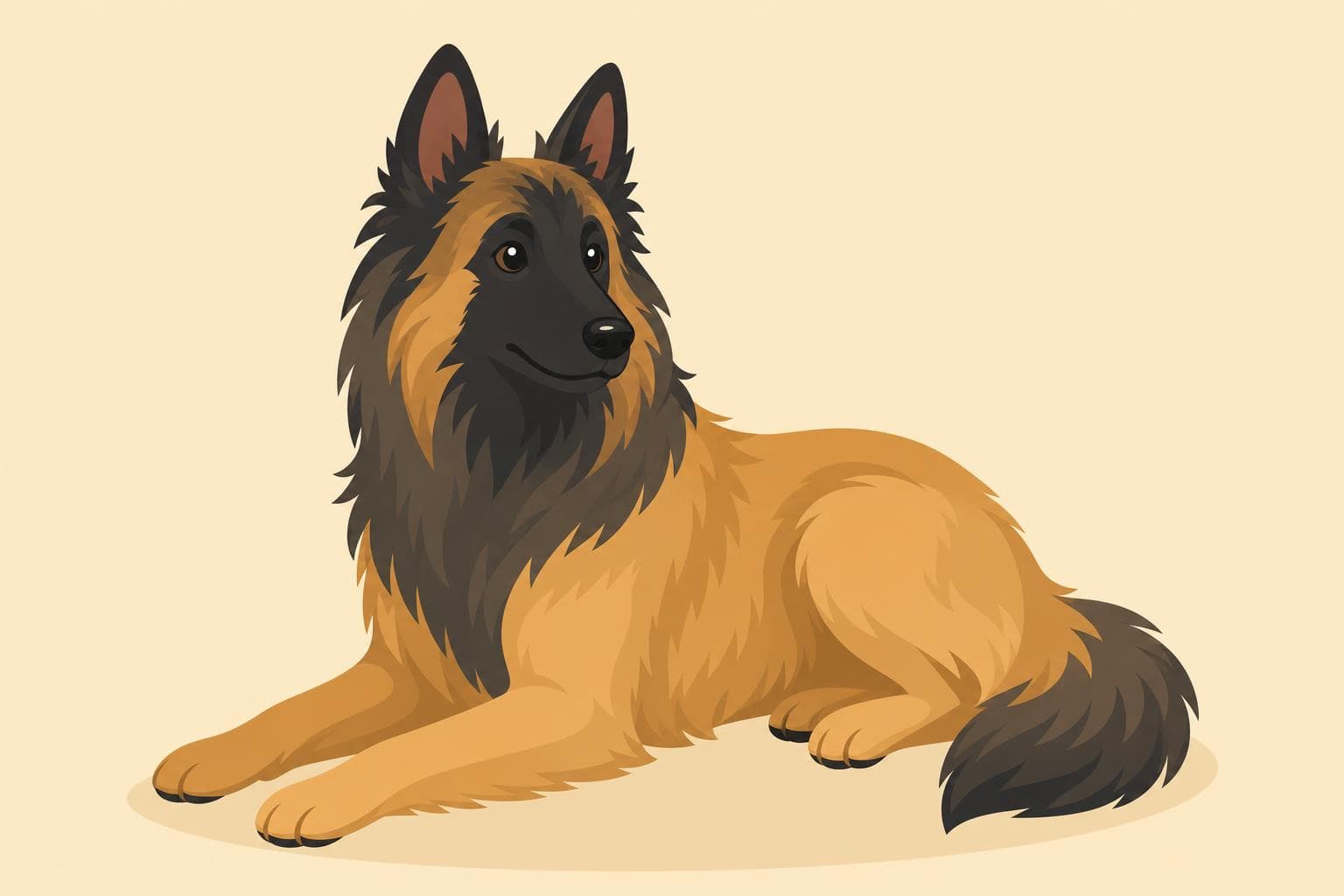
Behavior & traits
- devoted to family
- protective
- gentle with familiar children
- highly trainable
- sensitive
Health concerns
Belgian Tervurens are generally healthy but can be prone to hip and elbow dysplasia, epilepsy, and certain eye conditions like progressive retinal atrophy. Some lines also show a predisposition to thyroid issues and gastric concerns such as bloat. Reputable breeders screen for these conditions, and regular vet checkups help families stay ahead of any problems.
Responsible breeding and regular check-ups go a long way. Always ask breeders about health testing.
Feeding & nutrition
A high-quality diet formulated for active large breeds suits the Tervuren best, typically 2–3 cups of food split into two meals daily. Because they're prone to bloat, families should avoid heavy exercise right before or after meals and consider a slow-feeder bowl. Watch portions carefully, as a bored Tervuren can pack on weight that stresses their joints.
Exercise needs
This is a high-energy working breed that needs at least 60–90 minutes of vigorous activity every day, plus mental challenges to stay balanced. Families do best when they fold the Tervuren into active routines — morning jogs, long hikes, fetch in the backyard, or dog sports like agility, herding, or rally. A bored Terv will invent their own job, and you probably won't love what they choose.
Living with a Belgian Tervuren
Living with a Belgian Tervuren means having a four-legged shadow who genuinely wants to be involved in everything — cooking dinner, helping with homework, even supervising bath time. They're vocal, observant dogs who tend to alert you to every delivery driver, squirrel, and slamming car door, so families should expect a watchful companion rather than a quiet one. Their thick double coat sheds year-round with two heavier 'blowouts' each spring and fall, so weekly brushing (and daily during shedding season) becomes part of the routine. Tervs thrive in homes with structure, affection, and purpose; they're not a 'leave them in the yard' kind of dog and can become anxious or destructive if isolated. Families who include them in daily life are rewarded with one of the most loyal, intuitive, and emotionally connected dogs you'll ever meet.
Recommended products
A sturdy slicker brush and undercoat rake are non-negotiable for managing that gorgeous double coat, along with a high-velocity dryer if you want to make shedding season manageable. Invest in a well-fitted Y-front harness for walks and adventures, plus durable puzzle toys and snuffle mats to keep that busy brain engaged. A raised slow-feeder bowl helps reduce bloat risk and slows down enthusiastic eaters, and a long training lead is perfect for practicing recall in open spaces. Families should also consider enrolling in dog sports gear — agility tunnels, herding balls, or flirt poles — to channel their working drive productively.
Reads for Belgian Tervuren owners
![[header] Border Collie with puzzle toys](/_next/image?url=https%3A%2F%2Fimages.ctfassets.net%2Fq8y32akc6zms%2F7eTvC6qBF3gqDFvQSzcpXM%2Fa35b628bfd670bfc52bf4bcd532fc1b6%2Fheader.jpg&w=3840&q=75)
Engaging Activities for Border Collies: A How-To Guide
Is your Border Collie always on the lookout for something to do? Dive into engaging mental activities that will keep their sharp minds busy and entertained!
![[header] Senior dog resting on an orthopedic bed while a puppy waits](/_next/image?url=https%3A%2F%2Fimages.ctfassets.net%2Fq8y32akc6zms%2F4EwnObSBED8EN4IbvFJgaN%2Fc15a1446d531fd28d8e6854c46c3de7f%2Fheader.jpg&w=3840&q=75)
Before the Puppy Arrives: A Pre-Arrival Checklist for Your Senior Dog
Your calm senior dog has been quietly compensating for aches, stiffness, and fading senses for years — and a new puppy is about to expose all of it. This pre-arrival checklist walks you through the vet workup, pain baseline, and home setup to tackle in the weeks *before* pickup day, so your older dog isn't blindsided by the chaos.
![[header] Small dog wearing a soft mesh harness walking on a sunny pat](/_next/image?url=https%3A%2F%2Fimages.ctfassets.net%2Fq8y32akc6zms%2F3p03PzT9zANgbTC9dAOMJ2%2Ff95efe8539856e9489ef9bd4e861c4ba%2Fheader.jpg&w=3840&q=75)
Comfortable Harnesses for Small Dogs Prone to Tracheal Collapse
Is your small dog coughing from their collar? Discover harnesses designed for pups prone to tracheal collapse, offering protection and comfort with every walk.