Bergamasco Sheepdog
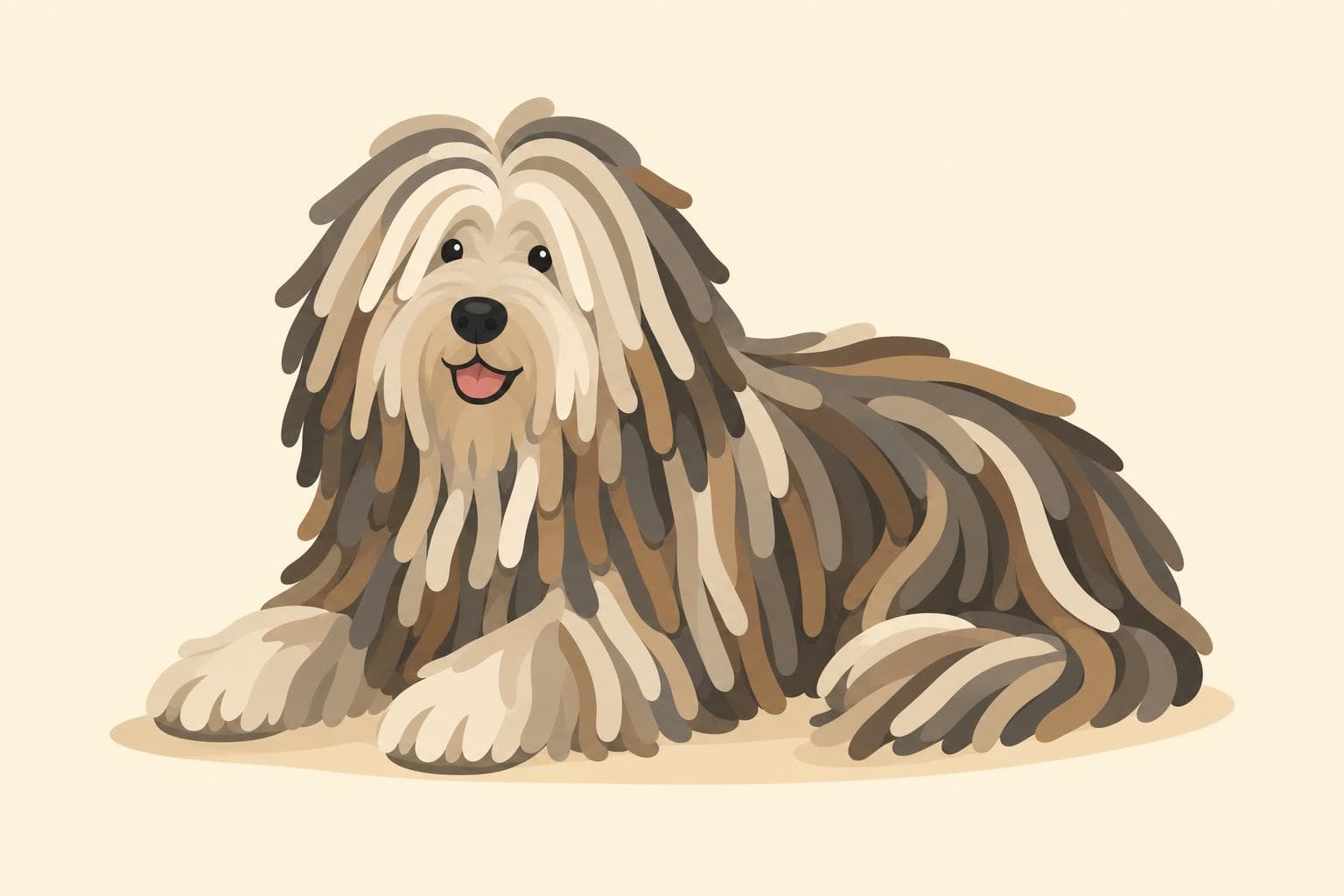
Bergamasco Sheepdogs are wonderfully steady, intelligent dogs who form deep bonds with their families. Bred for centuries to work independently alongside shepherds, they're thinkers rather than reactors — calm, patient, and quietly observant in the home. With children, they tend to be especially gentle and tolerant, often watching over kids with a soft, nurturing attentiveness. They can be reserved with strangers but warm up once they recognize a friend of the family.
Behavior & traits
- devoted to family
- gentle with kids
- naturally protective
- calm indoors
- thoughtful problem solver
Health concerns
Bergamascos are generally a hardy, long-lived breed with relatively few inherited health problems compared to many large dogs. Families should still watch for hip dysplasia and occasional eye issues, and regular vet checkups will catch most concerns early. Their unique coat also means skin should be monitored to ensure it stays healthy underneath the felted mats.
Responsible breeding and regular check-ups go a long way. Always ask breeders about health testing.
Feeding & nutrition
A high-quality large-breed diet works well, typically 2–3 cups of food split between two meals to support steady energy and joint health. Because they're not overly food-motivated, Bergamascos rarely overeat, but families should still measure portions to prevent weight gain that could stress their joints. Fresh water and occasional omega-rich foods help support their distinctive coat from the inside out.
Exercise needs
Bergamascos need moderate daily exercise — about 45–60 minutes of walking, play, or yard time will keep them happy. They love having a job, so families can engage them with herding games, hikes, agility, or interactive backyard play with the kids. Despite their working background, they're surprisingly mellow indoors and are content to relax once their needs are met.
Living with a Bergamasco Sheepdog
Living with a Bergamasco is a bit like having a wise, furry family member who quietly keeps tabs on everyone. They're calm and unobtrusive in the house, often choosing a spot where they can see the whole family, and they tend to bond deeply with children in a watchful, patient way. Their famous corded 'flocks' are a conversation starter everywhere you go — but they don't require daily brushing once formed, which surprises many new owners. Expect a dog who thinks before acting, occasionally questions your requests with a thoughtful look, and rewards patience with unwavering devotion. They're not big barkers or pacers, making them a peaceful presence in a busy household.
Recommended products
Because of their unique coat, families should invest in a good detangling spray and their fingers — the flocks are separated by hand rather than brushed, especially during the first few years as the coat develops. A sturdy front-clip harness helps with leash manners on walks, and puzzle toys or treat-dispensing balls keep their clever minds engaged. A large elevated dog bed and a slow-feeder bowl round out the essentials for this calm, thoughtful breed.
Reads for Bergamasco Sheepdog owners
![[header] Border Collie with puzzle toys](/_next/image?url=https%3A%2F%2Fimages.ctfassets.net%2Fq8y32akc6zms%2F7eTvC6qBF3gqDFvQSzcpXM%2Fa35b628bfd670bfc52bf4bcd532fc1b6%2Fheader.jpg&w=3840&q=75)
Engaging Activities for Border Collies: A How-To Guide
Is your Border Collie always on the lookout for something to do? Dive into engaging mental activities that will keep their sharp minds busy and entertained!
![[header] Senior dog resting on an orthopedic bed while a puppy waits](/_next/image?url=https%3A%2F%2Fimages.ctfassets.net%2Fq8y32akc6zms%2F4EwnObSBED8EN4IbvFJgaN%2Fc15a1446d531fd28d8e6854c46c3de7f%2Fheader.jpg&w=3840&q=75)
Before the Puppy Arrives: A Pre-Arrival Checklist for Your Senior Dog
Your calm senior dog has been quietly compensating for aches, stiffness, and fading senses for years — and a new puppy is about to expose all of it. This pre-arrival checklist walks you through the vet workup, pain baseline, and home setup to tackle in the weeks *before* pickup day, so your older dog isn't blindsided by the chaos.
![[header] Small dog wearing a soft mesh harness walking on a sunny pat](/_next/image?url=https%3A%2F%2Fimages.ctfassets.net%2Fq8y32akc6zms%2F3p03PzT9zANgbTC9dAOMJ2%2Ff95efe8539856e9489ef9bd4e861c4ba%2Fheader.jpg&w=3840&q=75)
Comfortable Harnesses for Small Dogs Prone to Tracheal Collapse
Is your small dog coughing from their collar? Discover harnesses designed for pups prone to tracheal collapse, offering protection and comfort with every walk.