Bernese Mountain Dog
Bernese Mountain Dogs are the gentle giants of the family dog world — sweet-natured, deeply devoted, and remarkably patient with children. They tend to bond closely with every member of the household and often follow their favorite humans from room to room. While calm and easygoing indoors, they enjoy outdoor adventures and thrive when included in everyday family life rather than left alone for long stretches.
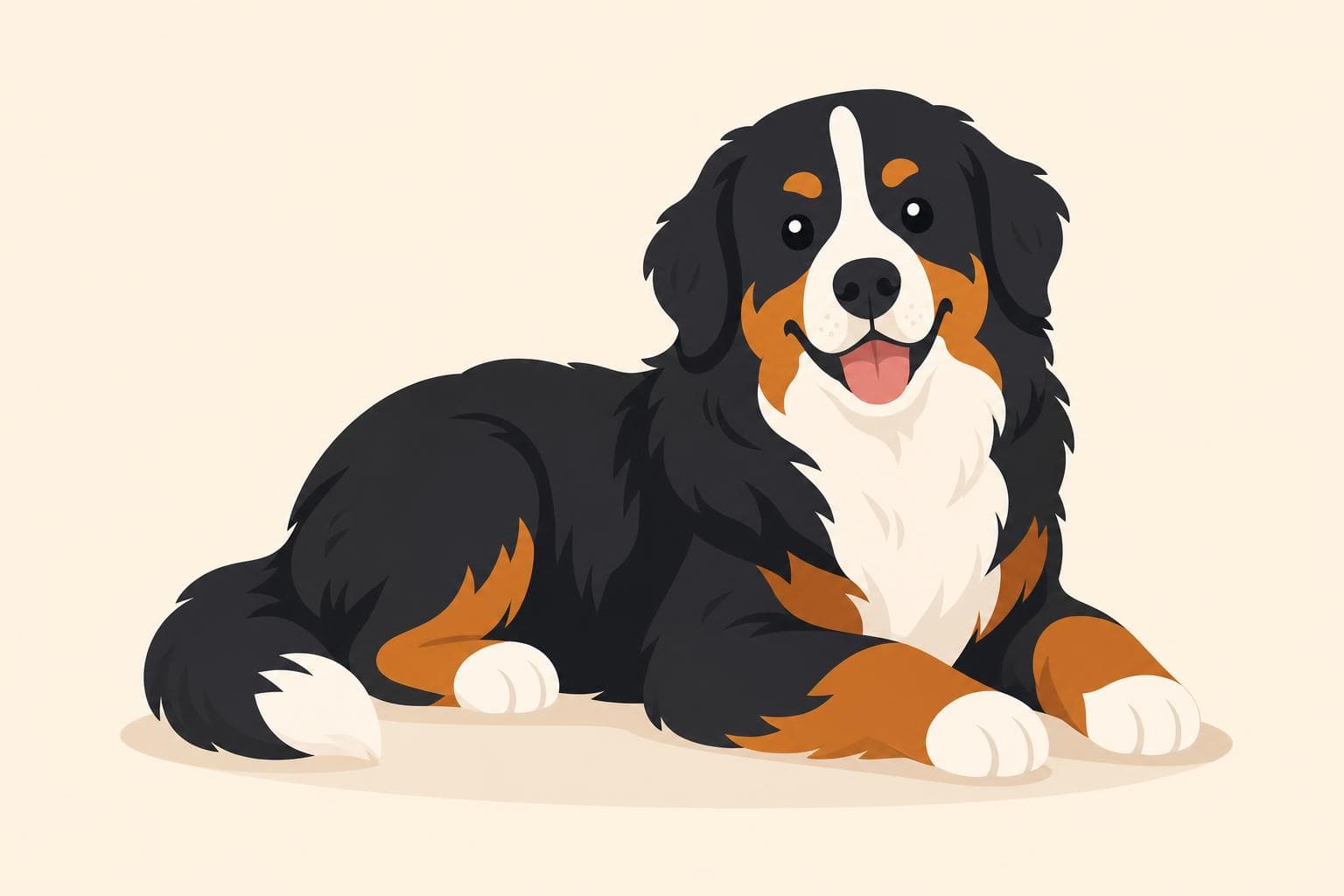
Behavior & traits
- gentle with kids
- loyal
- easygoing
- affectionate
- eager to please
Health concerns
Berners are sadly prone to several serious health issues, including hip and elbow dysplasia, bloat (gastric torsion), and a higher-than-average risk of certain cancers, which contributes to their shorter lifespan. Families should commit to a trusted vet, regular checkups, and pet insurance early on. Choosing a reputable breeder who health-tests their dogs can make a meaningful difference.
Responsible breeding and regular check-ups go a long way. Always ask breeders about health testing.
Feeding & nutrition
A high-quality large-breed dog food is essential, with portions carefully measured to avoid the rapid growth and excess weight that can stress their joints. Puppies especially need large-breed puppy formulas to support steady, healthy development. Many owners split meals into two servings per day and avoid heavy exercise right after eating to reduce bloat risk.
Exercise needs
Bernese Mountain Dogs need about 30–60 minutes of moderate exercise daily, such as walks, hikes, or play in the yard. They love cooler weather and outdoor adventures with the family, but they aren't built for intense heat or marathon runs. Puppies should have gentle, low-impact play to protect growing joints.
Living with a Bernese Mountain Dog
Living with a Berner means living with a big, fluffy shadow — they want to be wherever you are, often sprawled across your feet or leaning their full weight against your leg (a famous breed trait called the 'Berner lean'). Expect tufts of black, white, and rust-colored fur on your floors, your clothes, and occasionally in your coffee, especially during their twice-yearly heavy sheds. They're typically calm and well-mannered indoors, making them wonderful companions for movie nights and lazy Sunday mornings, but they light up at the chance to romp in the snow or join a family hike. Children often adore them because Berners are patient, gentle, and seemingly unbothered by the noise and chaos of family life. The hardest part of sharing your home with one is knowing their time with you is shorter than you'd like — which is exactly why Berner families tend to treasure every single day.
Recommended products
A sturdy slicker brush and undercoat rake are non-negotiable for managing that thick double coat, along with a high-velocity dryer or regular professional grooming during shedding season. Invest in an orthopedic, large-breed dog bed to protect their joints, plus a no-pull harness suited for big, strong dogs. A slow-feeder or elevated bowl can help reduce bloat risk, and durable chew toys like Kongs or Nylabones will keep their gentle but powerful jaws happily occupied.
Reads for Bernese Mountain Dog owners
![[header] A calm owner sitting on the floor with a relaxed dog leaning](/_next/image?url=https%3A%2F%2Fimages.ctfassets.net%2Fq8y32akc6zms%2F2ciptjZRZ8GgpFJqmXxaM6%2F4e013e2dced5e35a2072e8087e60bb16%2Fheader.jpg&w=3840&q=75)
The Calm Anchor: The Owner Archetype Reactive and Nervous Dogs Settle Best With
The Calm Anchor is the owner whose nervous system doesn't join in when a walk goes sideways — and that steadiness is exactly what a reactive or anxious dog needs to borrow from. If your assessment landed you here, this is the full portrait: what your calm does for a dog, the dog personalities most likely to thrive under your roof, and the one habit that quietly holds you back.
![[header] Illustration of a Bernese Mountain Dog puppy sitting on gras](/_next/image?url=https%3A%2F%2Fimages.ctfassets.net%2Fq8y32akc6zms%2F2hCEY2J5yMXqaVPhyRunJX%2F7921be6bac4ad338135ce847d0c373e6%2Fheader.jpg&w=3840&q=75)
The Bernese Mountain Dog's First Year: A Growth-Plate-First Roadmap
Your Bernese Mountain Dog puppy will look full-grown at eight months — but their skeleton won't finish forming until closer to two years. That gap is where preventable joint damage happens. Here's a month-by-month roadmap for the first year, built around growth plates instead of Instagram milestones: what to swap out of your home, why the five-minute exercise rule actually matters, and how to spot early signs of panosteitis or dysplasia before they become lifelong problems.
![[header] Border Collie with puzzle toys](/_next/image?url=https%3A%2F%2Fimages.ctfassets.net%2Fq8y32akc6zms%2F7eTvC6qBF3gqDFvQSzcpXM%2Fa35b628bfd670bfc52bf4bcd532fc1b6%2Fheader.jpg&w=3840&q=75)
Engaging Activities for Border Collies: A How-To Guide
Is your Border Collie always on the lookout for something to do? Dive into engaging mental activities that will keep their sharp minds busy and entertained!