Bichon Frise
Bichon Frises are little bundles of sunshine — cheerful, affectionate, and almost always in a good mood. They thrive on being part of the family and rarely want to be far from their people, happily following kids from room to room or curling up beside a parent on the couch. Their playful, clownish nature makes them wonderful companions for children, and they tend to greet visitors (and other pets) like long-lost friends.
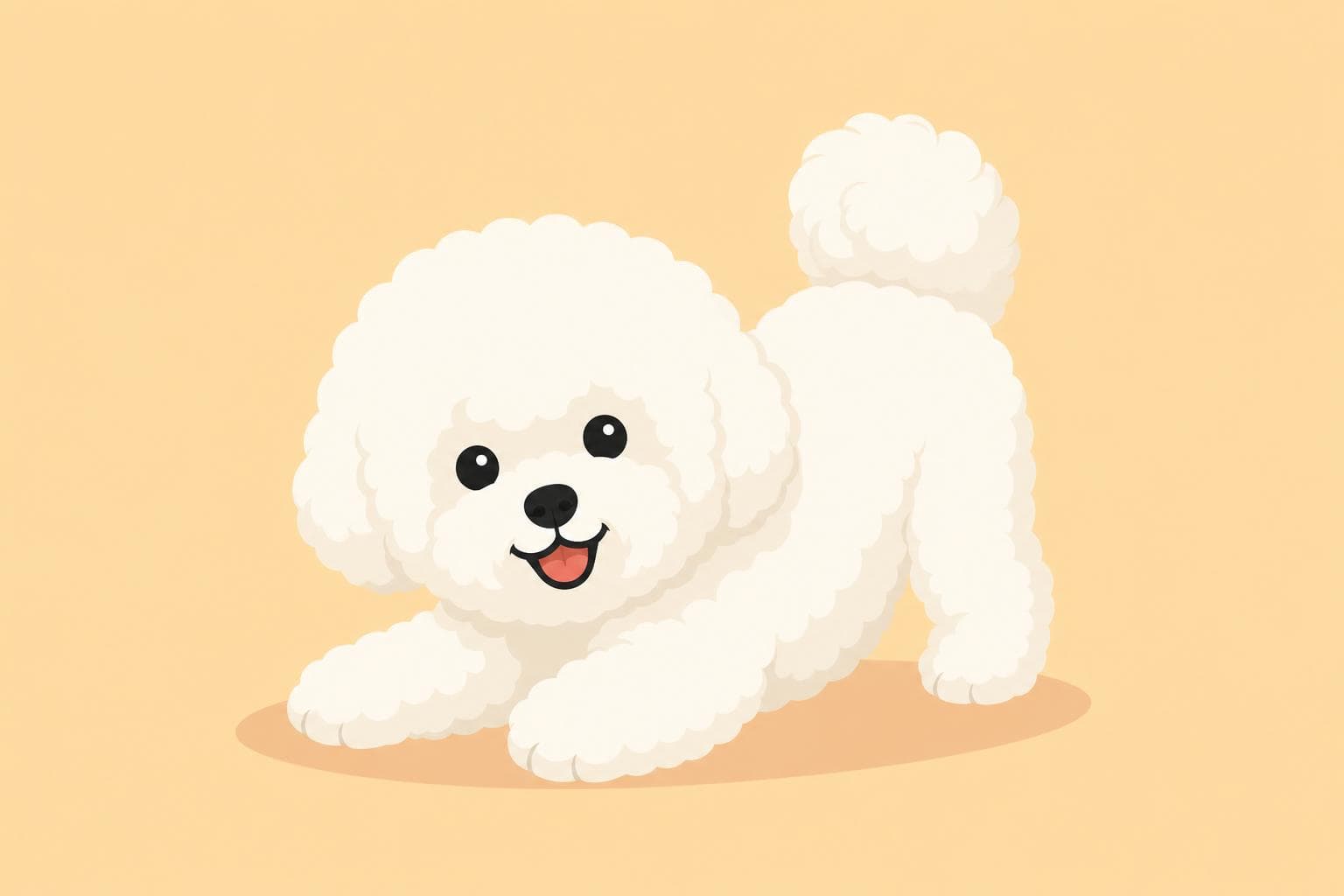
Behavior & traits
- gentle with kids
- people loving
- playful
- adaptable
- eager to please
Health concerns
Bichons are generally healthy, but families should be aware of allergies, which can cause itchy skin and ear infections. They're also prone to dental issues, luxating patellas, and occasionally bladder stones. Regular vet checkups, daily tooth brushing, and a watchful eye on skin and ears go a long way toward keeping them comfortable.
Responsible breeding and regular check-ups go a long way. Always ask breeders about health testing.
Feeding & nutrition
A high-quality small-breed dog food, measured into two meals a day, suits most Bichons well. Because they're small and food-motivated, it's easy for them to gain weight — so keep treats reasonable, especially if kids love handing them out. Fresh water should always be available, and your vet can help fine-tune portions as your pup grows.
Exercise needs
Bichons have moderate energy and are happy with a couple of short walks plus play sessions each day. A fenced yard for zoomies, indoor fetch, or a romp with the kids easily meets their needs. They love interactive games, so families can build exercise right into everyday play without needing long hikes.
Living with a Bichon Frise
Living with a Bichon Frise feels a bit like having a tiny, fluffy comedian in the house — they love making their people laugh and rarely have a bad day. Expect a velcro dog who wants to be wherever the family is, whether that's homework time at the kitchen table or movie night on the couch. They tend to do well in apartments and houses alike, and their soft, low-shedding coats are a big plus for households sensitive to dander (though that coat does need regular brushing to prevent mats). Housetraining can take patience and consistency, so crate training and a steady routine really pay off. The biggest surprise for most families? Just how attached these little dogs become — they truly thrive on togetherness and can struggle with long stretches alone.
Recommended products
Plan on a quality slicker brush, metal comb, and detangling spray to keep that signature fluffy coat mat-free between professional groomings every 4–6 weeks. A well-fitted step-in harness is gentler on their small frames than a collar for walks, and a cozy crate plus a soft orthopedic bed gives them a safe retreat. Round it out with a dog-specific toothbrush and toothpaste for their dental needs, plus a variety of plush and puzzle toys to keep their clever little minds busy.
Reads for Bichon Frise owners
![[header] A calm owner reading in an armchair with a small dog curled](/_next/image?url=https%3A%2F%2Fimages.ctfassets.net%2Fq8y32akc6zms%2F7F3uPDUQoNFW8TMbODtMjk%2Ffac8de70c2800e074aae0a155a228d2a%2Fheader.jpg&w=3840&q=75)
The Homebody Companion: An Owner Archetype for the Quietly Devoted
Got The Homebody Companion on your LiveLaughWoof assessment? You're the person who builds a slow, warm, deeply affectionate life with a dog — and there's a very specific kind of dog who dreams about a home like yours. Here's what your result actually means, the temperaments that match you best, and the one growth edge worth naming out loud.
![[header] A calm owner kneeling to gently greet a shy dog in a warm, c](/_next/image?url=https%3A%2F%2Fimages.ctfassets.net%2Fq8y32akc6zms%2F7pRiv1OyOYMEgI5bKgN03p%2Fe1c80b50be7e816be10966146bbe742d%2Fheader.jpg&w=3840&q=75)
The Devoted Nurturer: The Owner Archetype Where Sensitive Dogs Bloom
Some owners are the reason a nervous rescue finally exhales. If your assessment came back as The Devoted Nurturer, this is you — patient, routine-driven, and quietly exceptional with sensitive dogs. Here's what that says about how you show up, the one habit worth watching, and the dog personalities that fit you best.
![[header] Curly-haired dog playing with a toy in a backyard](/_next/image?url=https%3A%2F%2Fimages.ctfassets.net%2Fq8y32akc6zms%2F6fGlPNjUGDyXA8RKUqcebp%2Fcfaacba54f91b65c34ede4119ec7ae08%2Fheader.jpg&w=3840&q=75)
Safe and Engaging Toys for Chewers: A Guide for Curly-Coated Dogs
Choosing the right toy for your curly-coated dog helps to prevent coat damage and provide mental stimulation. Discover which toys work best to keep their curls intact and your pup entertained.