Border Terrier
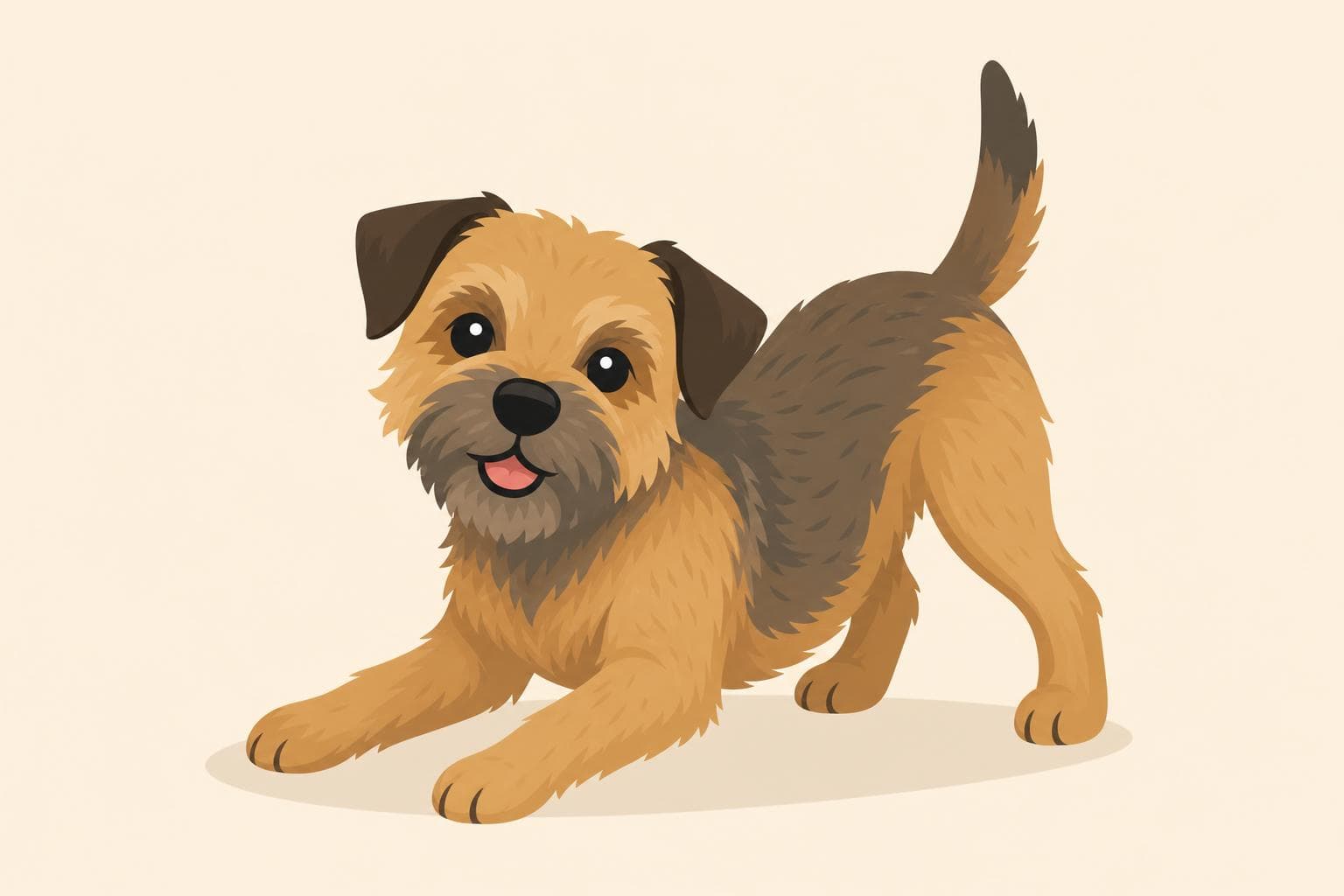
Border Terriers are one of the most easygoing members of the terrier group, blending classic terrier spunk with a famously affectionate, family-friendly nature. They tend to be playful without being hyper, brave without being aggressive, and cuddly without being needy. In a family home, they're often the dog trotting from kid to kid, joining in games one minute and curling up on the couch the next.
Behavior & traits
- great with kids
- friendly with other dogs
- curious explorer
- eager to please
- strong prey drive
Health concerns
Border Terriers are generally a hardy, long-lived breed, but families should be aware of a few health issues including hip dysplasia, heart conditions like pulmonic stenosis, and a breed-specific neurological condition called Canine Epileptoid Cramping Syndrome (CECS or 'Spike's disease'). They can also be prone to dental issues and allergies. Choosing a reputable breeder who screens for these conditions and keeping up with annual vet checkups goes a long way.
Responsible breeding and regular check-ups go a long way. Always ask breeders about health testing.
Feeding & nutrition
A typical Border Terrier does well on 3/4 to 1 1/2 cups of high-quality dry food per day, split into two meals. Because they're food-motivated and can pack on pounds quickly, families should measure portions carefully and account for training treats in their daily calorie count. Look for a formula appropriate to their life stage with quality protein as the first ingredient.
Exercise needs
Border Terriers need about 60 minutes of exercise per day, which can easily be split between walks, backyard play, and family activities like hiking or fetch. They're built for endurance and genuinely love adventure, so a quick stroll around the block usually isn't enough. Families with active kids often find the Border keeps up beautifully — they're game for almost anything you throw at them.
Living with a Border Terrier
Living with a Border Terrier is like having a small, scruffy adventure partner who genuinely wants to be part of everything your family does. They wake up ready to play with the kids, settle in nicely during homework or movie time, and are usually polite with visitors at the door. The biggest quirks families notice are their strong prey drive — squirrels, rabbits, and the occasional cat will send them into hot pursuit — and their surprising talent for escape, since they can dig under fences and squeeze through small gaps. They're vocal but not yappy, affectionate without being clingy, and have an uncanny ability to read the household mood. Most families are pleasantly surprised by how adaptable they are, fitting into apartments, suburban homes, and country properties with equal ease.
Recommended products
A sturdy front-clip harness is essential since Borders are strong pullers when they catch a scent, and a 6-foot leash (not retractable) gives you better control. Plan to invest in a stripping knife or comb for hand-stripping their wiry coat a couple of times a year, plus a slicker brush for weekly upkeep. Durable puzzle toys and snuffle mats help channel their busy terrier brain, and a secure, dig-proof fenced area or long line for outdoor time is non-negotiable given their prey drive. Don't forget a comfy crate for downtime — most Borders love having a cozy den of their own.
Reads for Border Terrier owners
![[header] Border Collie with puzzle toys](/_next/image?url=https%3A%2F%2Fimages.ctfassets.net%2Fq8y32akc6zms%2F7eTvC6qBF3gqDFvQSzcpXM%2Fa35b628bfd670bfc52bf4bcd532fc1b6%2Fheader.jpg&w=3840&q=75)
Engaging Activities for Border Collies: A How-To Guide
Is your Border Collie always on the lookout for something to do? Dive into engaging mental activities that will keep their sharp minds busy and entertained!
![[header] Senior dog resting on an orthopedic bed while a puppy waits](/_next/image?url=https%3A%2F%2Fimages.ctfassets.net%2Fq8y32akc6zms%2F4EwnObSBED8EN4IbvFJgaN%2Fc15a1446d531fd28d8e6854c46c3de7f%2Fheader.jpg&w=3840&q=75)
Before the Puppy Arrives: A Pre-Arrival Checklist for Your Senior Dog
Your calm senior dog has been quietly compensating for aches, stiffness, and fading senses for years — and a new puppy is about to expose all of it. This pre-arrival checklist walks you through the vet workup, pain baseline, and home setup to tackle in the weeks *before* pickup day, so your older dog isn't blindsided by the chaos.
![[header] Small dog wearing a soft mesh harness walking on a sunny pat](/_next/image?url=https%3A%2F%2Fimages.ctfassets.net%2Fq8y32akc6zms%2F3p03PzT9zANgbTC9dAOMJ2%2Ff95efe8539856e9489ef9bd4e861c4ba%2Fheader.jpg&w=3840&q=75)
Comfortable Harnesses for Small Dogs Prone to Tracheal Collapse
Is your small dog coughing from their collar? Discover harnesses designed for pups prone to tracheal collapse, offering protection and comfort with every walk.