Bouvier des Flandres
The Bouvier des Flandres is often described as a 'gentle giant' with a serious work ethic and a soft spot for their people. At home, they tend to be calm, steady, and deeply attached to their family, often appointing themselves as the household's watchful guardian. They're patient and tolerant with children they're raised alongside, though their size means supervision is wise with little ones. Confident without being hyper, they bring a quiet, reassuring presence to family life.
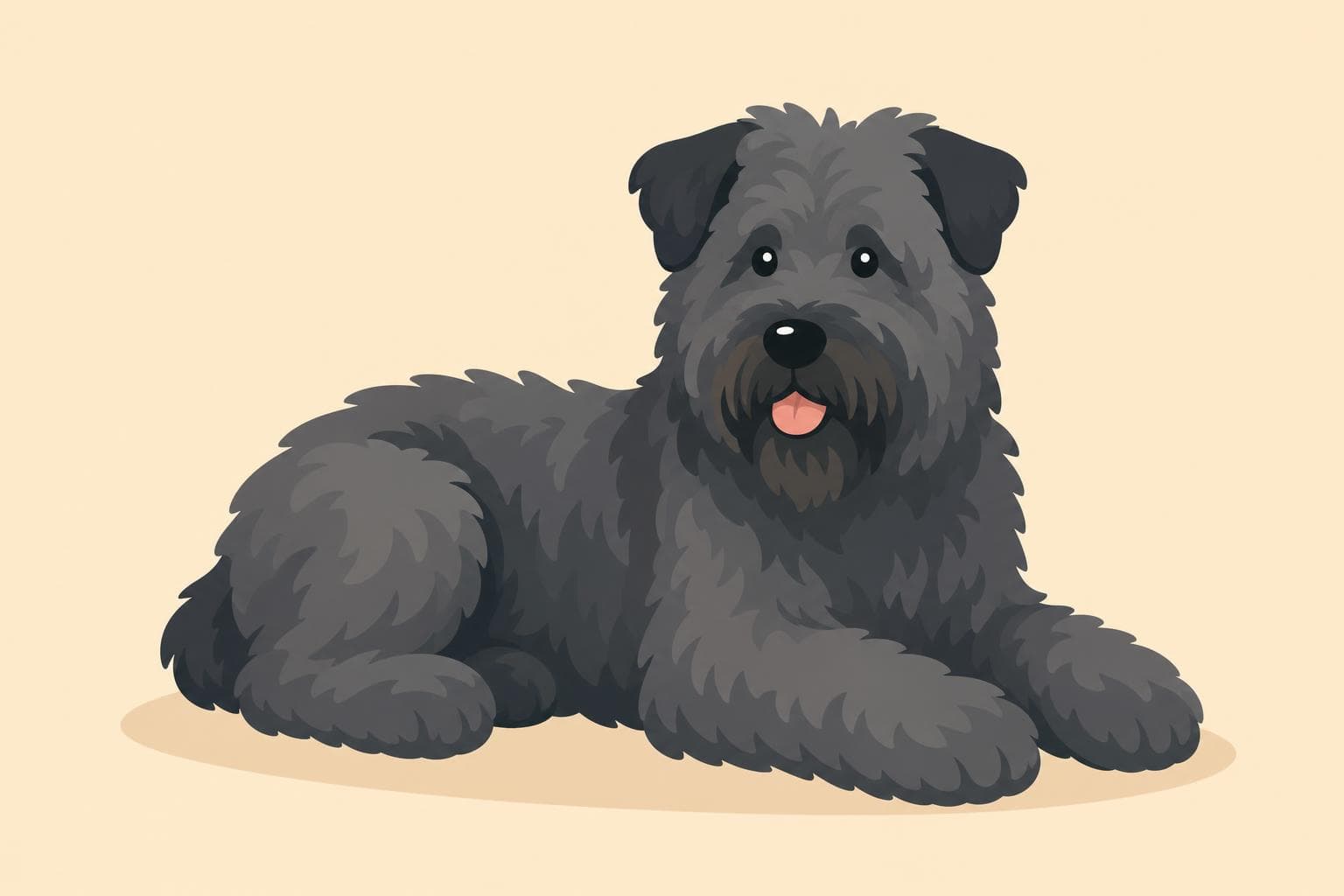
Behavior & traits
- gentle with kids
- naturally protective
- devoted to family
- confident
- calm indoors
Health concerns
Bouviers can be prone to hip and elbow dysplasia, hypothyroidism, and certain eye conditions like cataracts. Like many large, deep-chested breeds, they're also at risk for bloat (gastric torsion), which families should learn to recognize early. Regular vet checkups and choosing a reputable breeder who tests for genetic issues go a long way in keeping them healthy.
Responsible breeding and regular check-ups go a long way. Always ask breeders about health testing.
Feeding & nutrition
Expect to feed a Bouvier a high-quality large-breed diet, typically 3–5 cups of kibble per day split into two meals to help reduce bloat risk. Puppies should be on a large-breed formula to support steady, healthy growth, and treats should be factored into daily calories to prevent weight gain. Always provide fresh water, and avoid vigorous exercise right after meals.
Exercise needs
Bouviers need about 60–90 minutes of daily exercise — think brisk walks, hikes, fetch in the yard, or family bike rides. They also thrive on having a 'job,' so activities like herding trials, agility, or even structured backyard games keep their busy minds satisfied. Families who enjoy the outdoors will find a willing, tireless companion.
Living with a Bouvier des Flandres
Living with a Bouvier des Flandres often feels like sharing your home with a thoughtful, slightly stoic teammate who quietly keeps tabs on everyone. They tend to follow their favorite people from room to room, settling into the background but always aware of the kids' whereabouts, the doorbell, and any unusual sounds outside. Their double coat is low-shedding but high-maintenance — expect regular brushing sessions, beard-wiping after every drink of water, and professional grooming every couple of months. Many families are surprised by how mellow Bouviers are indoors; once exercised, they're content to nap near the couch while life happens around them. They can be aloof with strangers and naturally protective, so early socialization with visitors, kids' friends, and other pets is essential for a well-rounded family dog.
Recommended products
A sturdy slicker brush, metal greyhound comb, and grooming shears (or a budget for a professional groomer) are non-negotiable for managing that famous beard and coat. Invest in a no-pull front-clip harness or martingale collar to comfortably handle their size on walks, plus an elevated slow-feeder bowl to support digestion and help reduce bloat risk. Durable puzzle toys and tug ropes keep their working brain engaged, and a large orthopedic dog bed will protect those big joints as they age.
Reads for Bouvier des Flandres owners
![[header] Border Collie with puzzle toys](/_next/image?url=https%3A%2F%2Fimages.ctfassets.net%2Fq8y32akc6zms%2F7eTvC6qBF3gqDFvQSzcpXM%2Fa35b628bfd670bfc52bf4bcd532fc1b6%2Fheader.jpg&w=3840&q=75)
Engaging Activities for Border Collies: A How-To Guide
Is your Border Collie always on the lookout for something to do? Dive into engaging mental activities that will keep their sharp minds busy and entertained!
![[header] Senior dog resting on an orthopedic bed while a puppy waits](/_next/image?url=https%3A%2F%2Fimages.ctfassets.net%2Fq8y32akc6zms%2F4EwnObSBED8EN4IbvFJgaN%2Fc15a1446d531fd28d8e6854c46c3de7f%2Fheader.jpg&w=3840&q=75)
Before the Puppy Arrives: A Pre-Arrival Checklist for Your Senior Dog
Your calm senior dog has been quietly compensating for aches, stiffness, and fading senses for years — and a new puppy is about to expose all of it. This pre-arrival checklist walks you through the vet workup, pain baseline, and home setup to tackle in the weeks *before* pickup day, so your older dog isn't blindsided by the chaos.
![[header] Small dog wearing a soft mesh harness walking on a sunny pat](/_next/image?url=https%3A%2F%2Fimages.ctfassets.net%2Fq8y32akc6zms%2F3p03PzT9zANgbTC9dAOMJ2%2Ff95efe8539856e9489ef9bd4e861c4ba%2Fheader.jpg&w=3840&q=75)
Comfortable Harnesses for Small Dogs Prone to Tracheal Collapse
Is your small dog coughing from their collar? Discover harnesses designed for pups prone to tracheal collapse, offering protection and comfort with every walk.