Boxer
Boxers are famously fun-loving and devoted, often described as the class clowns of the dog world. They form deep bonds with their families and tend to be patient and affectionate with children, while staying naturally watchful around strangers. Expect a dog who wants to be in the middle of every family activity, from movie nights to backyard play.
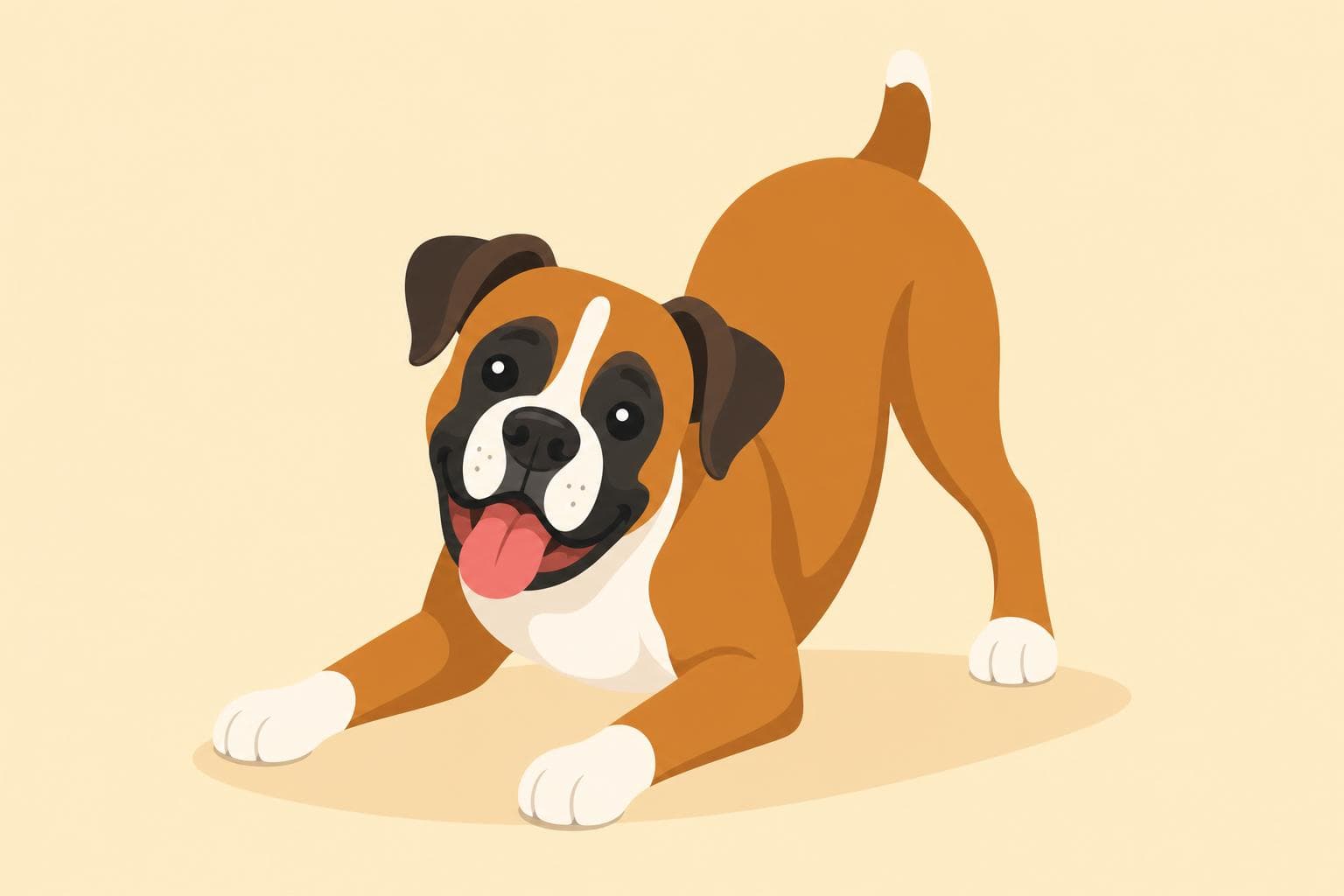
Behavior & traits
- gentle with kids
- playful clown
- loyal companion
- naturally protective
- people oriented
Health concerns
Boxers are unfortunately prone to certain cancers, heart conditions like boxer cardiomyopathy and aortic stenosis, and hip dysplasia. Their short snouts also make them sensitive to heat and prone to breathing issues in extreme weather. Regular vet checkups, including cardiac screenings, are important throughout their lives.
Responsible breeding and regular check-ups go a long way. Always ask breeders about health testing.
Feeding & nutrition
Most adult Boxers do well on 2.5–4 cups of high-quality large-breed kibble per day, split into two meals to help reduce the risk of bloat. Look for a protein-rich formula that supports lean muscle, and avoid free-feeding since Boxers can be enthusiastic eaters. Always keep fresh water available, especially after play sessions.
Exercise needs
Boxers need at least 1–2 hours of active exercise each day, including brisk walks, fetch, or yard play. Their athletic build and bouncy energy means a quick stroll won't cut it — they thrive when families include them in jogs, hikes, or interactive games. Mental stimulation through training and puzzle toys helps prevent the mischief that bored Boxers can get into.
Living with a Boxer
Living with a Boxer means signing up for a daily dose of joy, silliness, and the occasional 'kidney bean' wiggle dance when you walk through the door. They're notorious lap dogs in a large-dog body, often convinced they're the perfect size to curl up on your couch — or you. Families quickly learn that Boxers are emotional sponges who pick up on moods and want to be part of everything, from school drop-offs to bedtime stories. They can be drooly, snorty, and gassy, and their boundless puppy energy often lasts well into their third or fourth year. But ask any Boxer family, and they'll tell you the snuggles, loyalty, and laughter are absolutely worth it.
Recommended products
A sturdy no-pull harness is essential since Boxers are strong and excitable on leash, especially as puppies. Invest in durable rubber toys and tug ropes — they're enthusiastic chewers who can destroy flimsy plush toys in minutes. A raised, slow-feeder bowl helps with digestion and reduces bloat risk, and a cooling mat or vest is a smart addition for summer months given their heat sensitivity. A soft rubber grooming mitt is all you really need for their short coat, plus a good drool rag for the couch.
Reads for Boxer owners
![[header] A calm owner sitting on the floor with a relaxed dog leaning](/_next/image?url=https%3A%2F%2Fimages.ctfassets.net%2Fq8y32akc6zms%2F2ciptjZRZ8GgpFJqmXxaM6%2F4e013e2dced5e35a2072e8087e60bb16%2Fheader.jpg&w=3840&q=75)
The Calm Anchor: The Owner Archetype Reactive and Nervous Dogs Settle Best With
The Calm Anchor is the owner whose nervous system doesn't join in when a walk goes sideways — and that steadiness is exactly what a reactive or anxious dog needs to borrow from. If your assessment landed you here, this is the full portrait: what your calm does for a dog, the dog personalities most likely to thrive under your roof, and the one habit that quietly holds you back.
![[header] Illustrated owner and athletic dog hiking a mountain trail t](/_next/image?url=https%3A%2F%2Fimages.ctfassets.net%2Fq8y32akc6zms%2F7DNPyseenZ7Tn8tGjdRmVN%2F8db03a8d9ee4dbc7b75637e6f5d162fc%2Fheader.jpg&w=3840&q=75)
The Adventure Buddy: The Owner Archetype Who Treats the World as a Playgrounda
Got The Adventure Buddy on your LiveLaughWoof assessment? Here's what it actually says about you — and the dog personalities most likely to thrive at your pace. Plus the one skill most adventure-forward owners forget to teach their athletic dogs, and the breeds that tend to fit best.
The Social Connector: The Owner Who Makes the Dog Park Feel Like a Neighborhood
You're the one who knows every dog on the block by name — and probably every owner too. The Social Connector turns a walk around the corner into a small social event, and the right dog makes that whole world richer. Here's the portrait, the growth edge no one warned you about, and the dog personalities that fit your rhythm best.