Brussels Griffon
Brussels Griffons are often called the 'Velcro dog' for good reason — they bond deeply with their humans and want to be involved in everything from morning coffee to bedtime stories. They're famously expressive, with almost human-like faces that mirror your emotions, and they have a comical streak that keeps families laughing daily. While affectionate and playful, they're also sensitive souls who thrive on gentle handling and consistent routines.
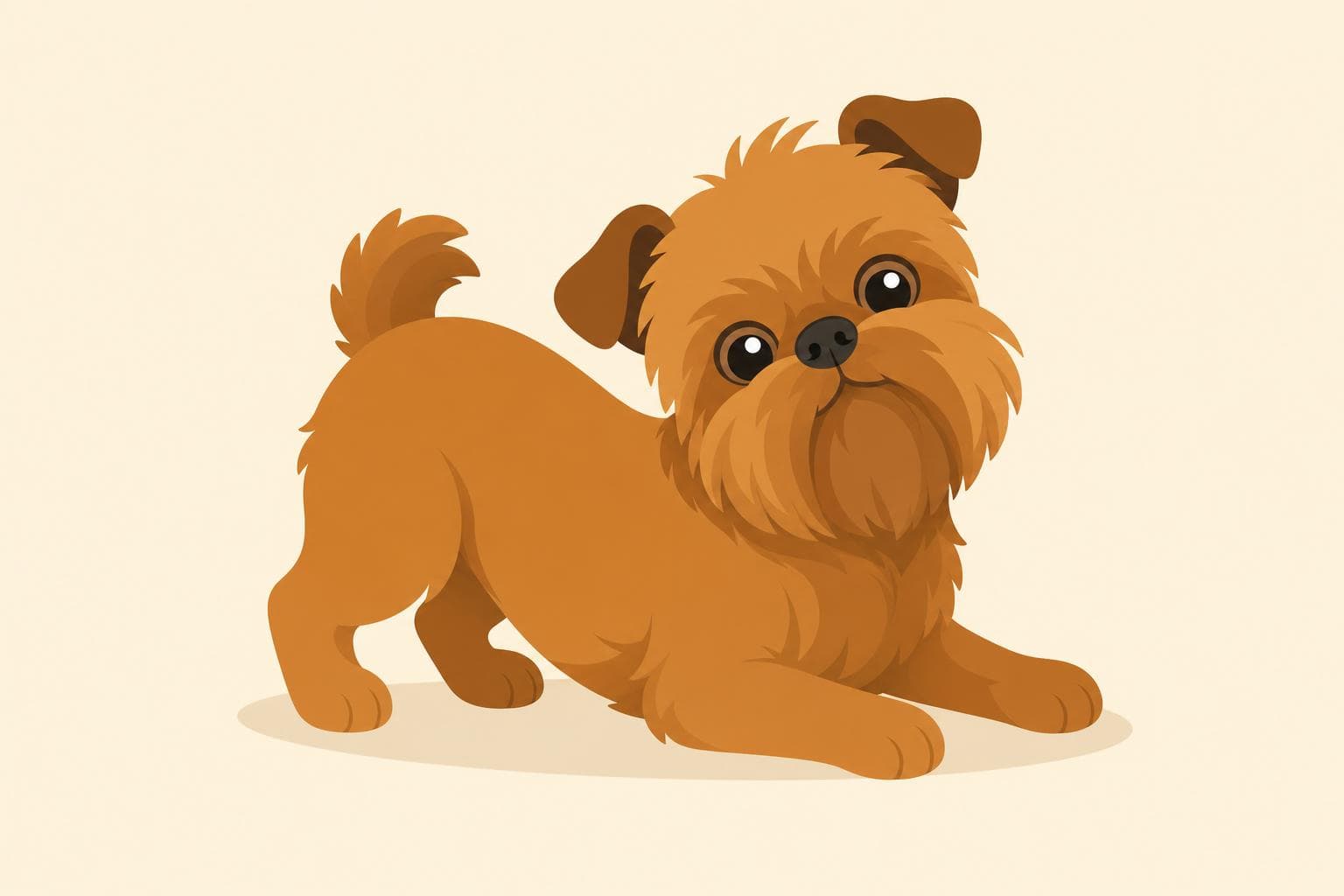
Behavior & traits
- velcro companion
- playful clown
- alert watchdog
- sensitive to mood
- people focused
Health concerns
Brussels Griffons are a brachycephalic (flat-faced) breed, which can lead to breathing difficulties, especially in hot or humid weather. Families should also watch for hip dysplasia, patellar luxation, and eye issues like cataracts or corneal ulcers. Dental care is important too, as their small jaws can lead to crowded teeth and gum disease.
Responsible breeding and regular check-ups go a long way. Always ask breeders about health testing.
Feeding & nutrition
A high-quality small-breed kibble divided into two measured meals a day usually works well for a Griffon. Because they're tiny and can pack on weight quickly, watch portion sizes carefully and limit table scraps — even a few extra treats can add up. Look for foods with quality protein and omega fatty acids to support their coat and joint health.
Exercise needs
Griffons need moderate daily exercise — a couple of short walks plus some indoor play is typically enough to keep them happy. Families can easily meet their needs with backyard fetch, puzzle toys, or a stroll around the neighborhood. Avoid strenuous activity in heat or humidity due to their flat faces, and remember that mental stimulation is just as important as physical exercise.
Living with a Brussels Griffon
Living with a Brussels Griffon means having a tiny, bearded shadow following you from room to room — they truly do not like being left alone for long stretches. They're a wonderful fit for families with older, gentle children who understand how to handle a small dog respectfully, though they may be too delicate for rambunctious toddlers. Expect plenty of laughter: Griffons are natural comedians who will tilt their heads, 'talk back,' and stage little antics to get attention. They tend to bond most closely with one person but still shower the whole family with affection, and their alert nature makes them surprisingly good little watchdogs. Housetraining can take patience, and they can be a bit stubborn, but their devotion and charm more than make up for it.
Recommended products
A well-fitted harness (never a collar, due to their delicate trachea and flat faces) is essential for safe walks, along with a soft slicker brush and metal comb for managing their wiry coat. Puzzle feeders and interactive toys help channel their clever minds, while a cozy elevated bed or blanket nest satisfies their love of snuggling. A gentle tearless face wash and small toothbrush round out the basics for keeping their adorable beard and tiny teeth in great shape.
Reads for Brussels Griffon owners
![[header] Border Collie with puzzle toys](/_next/image?url=https%3A%2F%2Fimages.ctfassets.net%2Fq8y32akc6zms%2F7eTvC6qBF3gqDFvQSzcpXM%2Fa35b628bfd670bfc52bf4bcd532fc1b6%2Fheader.jpg&w=3840&q=75)
Engaging Activities for Border Collies: A How-To Guide
Is your Border Collie always on the lookout for something to do? Dive into engaging mental activities that will keep their sharp minds busy and entertained!
![[header] Senior dog resting on an orthopedic bed while a puppy waits](/_next/image?url=https%3A%2F%2Fimages.ctfassets.net%2Fq8y32akc6zms%2F4EwnObSBED8EN4IbvFJgaN%2Fc15a1446d531fd28d8e6854c46c3de7f%2Fheader.jpg&w=3840&q=75)
Before the Puppy Arrives: A Pre-Arrival Checklist for Your Senior Dog
Your calm senior dog has been quietly compensating for aches, stiffness, and fading senses for years — and a new puppy is about to expose all of it. This pre-arrival checklist walks you through the vet workup, pain baseline, and home setup to tackle in the weeks *before* pickup day, so your older dog isn't blindsided by the chaos.
![[header] Small dog wearing a soft mesh harness walking on a sunny pat](/_next/image?url=https%3A%2F%2Fimages.ctfassets.net%2Fq8y32akc6zms%2F3p03PzT9zANgbTC9dAOMJ2%2Ff95efe8539856e9489ef9bd4e861c4ba%2Fheader.jpg&w=3840&q=75)
Comfortable Harnesses for Small Dogs Prone to Tracheal Collapse
Is your small dog coughing from their collar? Discover harnesses designed for pups prone to tracheal collapse, offering protection and comfort with every walk.