Bulldog
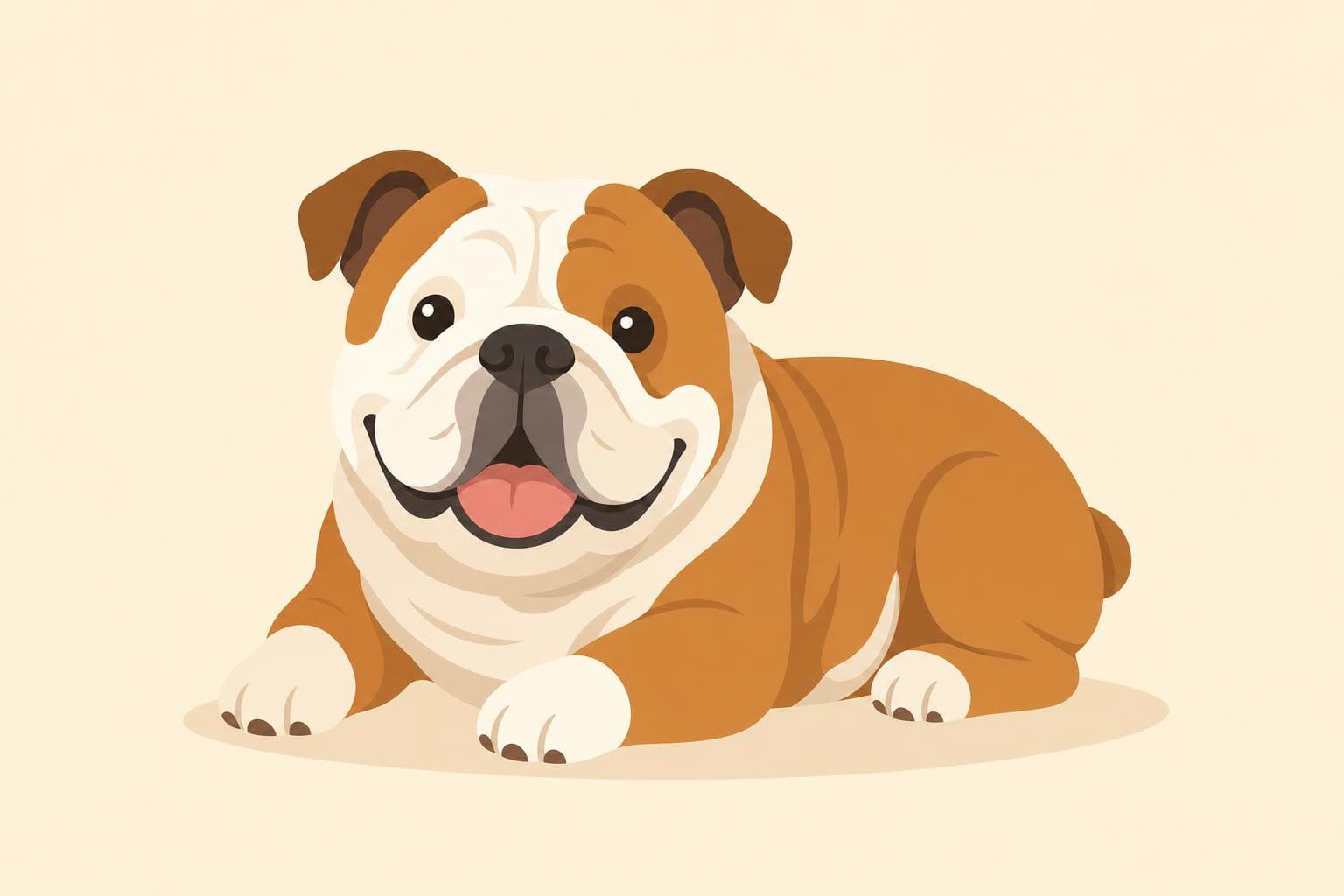
Bulldogs are the ultimate mellow family companion — sweet-natured, patient, and famously fond of their people. They have a calm, dignified personality with a goofy streak that emerges when they're feeling playful, often making the whole family laugh. Around children, they tend to be gentle and tolerant, happy to be a snuggle buddy on the couch or a steady presence during playtime. While they can be a bit stubborn, their devotion to family makes them one of the most beloved companion breeds.
Behavior & traits
- gentle with kids
- loyal companion
- laid back
- people loving
- stubborn at times
Health concerns
Bulldogs are a brachycephalic (flat-faced) breed, which means they can struggle with breathing, overheating, and exercise intolerance — especially in hot weather. Families should also be aware of common issues like hip dysplasia, skin fold infections, and cherry eye. Regular vet checkups and a watchful eye on their breathing and weight go a long way in keeping them healthy.
Responsible breeding and regular check-ups go a long way. Always ask breeders about health testing.
Feeding & nutrition
Bulldogs love their meals, but they're prone to weight gain, so portion control is essential — most do well on two measured meals a day of high-quality food formulated for medium breeds. Because of their flat faces, slow-feeder or shallow bowls can help prevent gulping and gas. Treats should be limited, and fresh water should always be available, especially in warm weather.
Exercise needs
Bulldogs have modest exercise needs — usually a couple of short, gentle walks per day plus some indoor playtime is plenty. Families should avoid strenuous activity in heat or humidity, since Bulldogs overheat easily. Sniffy neighborhood strolls, indoor games, and short play sessions in cool weather are perfect ways to keep them happy and fit.
Living with a Bulldog
Living with a Bulldog is a lesson in slowing down and enjoying the simple things. Your day will likely involve plenty of snoring, snorting, and snoozing — they're champion nappers who love nothing more than sprawling at your feet while the kids do homework or watch a movie. Expect some quirks: slobber after meals, a bit of gas, and an absolute refusal to walk when they've decided they're done. But you'll also get a deeply affectionate companion who adores cuddles, greets the kids at the door, and has a comic personality that turns ordinary moments into family memories. They thrive on being included in everything, and most families quickly discover their Bulldog is less of a pet and more of a furry roommate with strong opinions.
Recommended products
A good slow-feeder bowl helps prevent gulping and gas, while a padded harness (not a collar) is essential to protect their sensitive airways during walks. Gentle pet wipes or a soft cloth for cleaning facial folds daily will help prevent skin infections, and a cooling mat is a smart purchase for warm months. Sturdy chew toys and a supportive orthopedic dog bed round out the essentials — Bulldogs love a comfy spot to call their own, and their joints will thank you for it.
Reads for Bulldog owners
Meet The Professional Napper: The Dog Archetype Who Turns Rest Into an Art Form
If your dog treats the couch like a career, this one's for them. The Professional Napper is a gentle, sociable, low-gear archetype — the dog who wants a sunbeam, a short walk, and you in the same room. Here's what it means, who they thrive with, and the one thing owners get wrong about "low energy."
![[header] A calm owner reading in an armchair with a small dog curled](/_next/image?url=https%3A%2F%2Fimages.ctfassets.net%2Fq8y32akc6zms%2F7F3uPDUQoNFW8TMbODtMjk%2Ffac8de70c2800e074aae0a155a228d2a%2Fheader.jpg&w=3840&q=75)
The Homebody Companion: An Owner Archetype for the Quietly Devoted
Got The Homebody Companion on your LiveLaughWoof assessment? You're the person who builds a slow, warm, deeply affectionate life with a dog — and there's a very specific kind of dog who dreams about a home like yours. Here's what your result actually means, the temperaments that match you best, and the one growth edge worth naming out loud.
![[header] A calm owner kneeling to gently greet a shy dog in a warm, c](/_next/image?url=https%3A%2F%2Fimages.ctfassets.net%2Fq8y32akc6zms%2F7pRiv1OyOYMEgI5bKgN03p%2Fe1c80b50be7e816be10966146bbe742d%2Fheader.jpg&w=3840&q=75)
The Devoted Nurturer: The Owner Archetype Where Sensitive Dogs Bloom
Some owners are the reason a nervous rescue finally exhales. If your assessment came back as The Devoted Nurturer, this is you — patient, routine-driven, and quietly exceptional with sensitive dogs. Here's what that says about how you show up, the one habit worth watching, and the dog personalities that fit you best.