Cesky Terrier
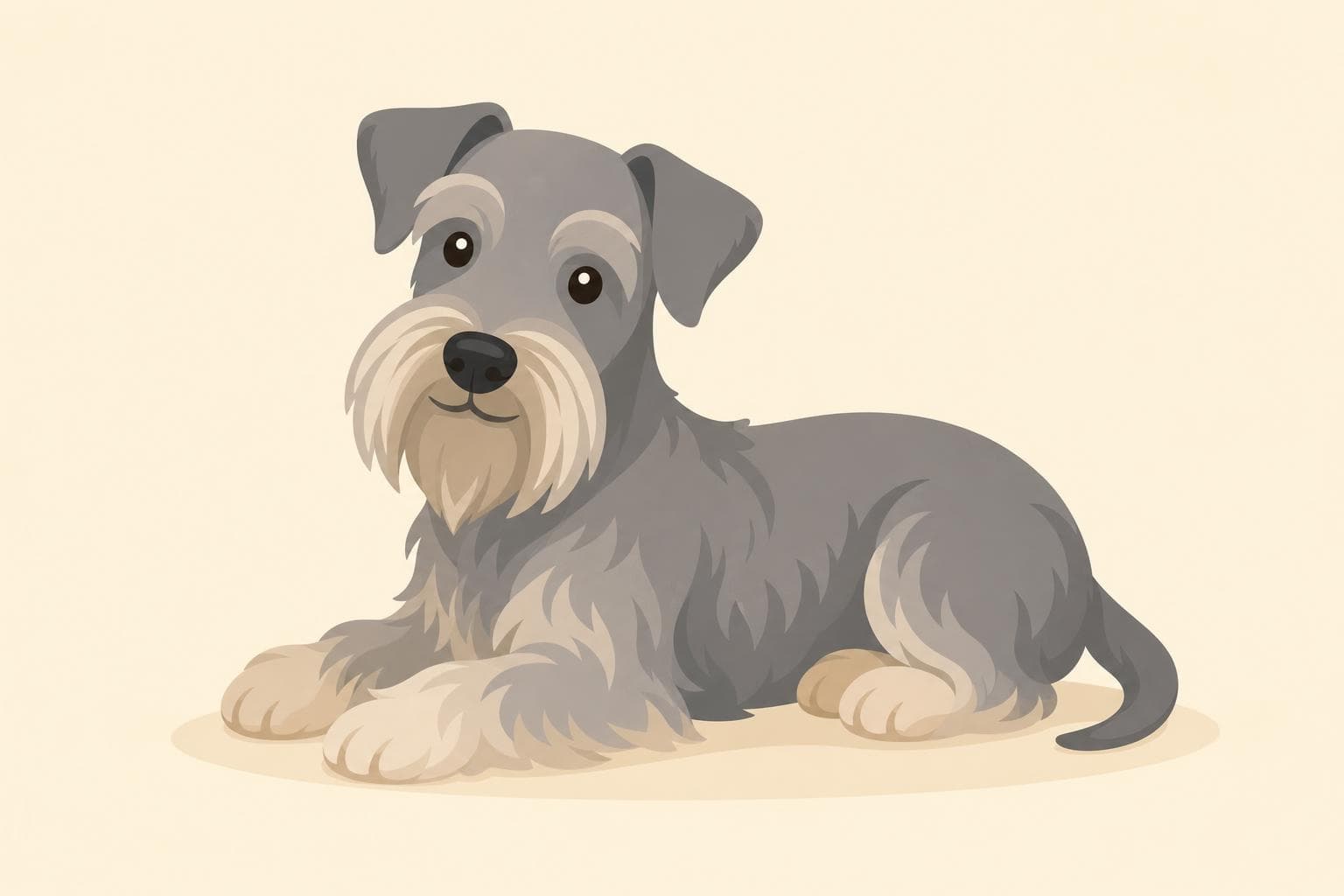
The Cesky Terrier is often described as the 'gentleman' of the terrier group — calmer, sweeter, and less feisty than many of its cousins. In a family home, they're affectionate cuddlers who love being part of the action, whether that's a backyard game or movie night on the couch. They tend to be patient with children and form deep bonds with everyone in the household, making them a wonderful all-around family companion.
Behavior & traits
- gentle with kids
- calmer than most terriers
- loyal companion
- social with people
- moderately playful
Health concerns
Cesky Terriers are generally healthy, but families should be aware of a condition called Scottie Cramp, a non-life-threatening neurological quirk that can cause temporary muscle stiffness during excitement. They can also be prone to luxating patellas, eye issues, and occasional cardiac concerns. Regular vet check-ups and reputable breeders go a long way toward catching issues early.
Responsible breeding and regular check-ups go a long way. Always ask breeders about health testing.
Feeding & nutrition
A high-quality small-breed dog food split into two measured meals a day works well for most Ceskys. Because they're a sturdy, low-slung breed, it's important to watch portions and treats — extra weight strains their backs and joints. Many families find that fresh proteins, fish oil for coat health, and limited table scraps keep their Cesky in great shape.
Exercise needs
Cesky Terriers need about 30–60 minutes of daily exercise, which can easily be met with a couple of brisk walks and some backyard play. They enjoy hiking, fetch, and exploring with the family, but they're equally happy to nap at your feet afterward. This balance makes them ideal for busy households that want an active companion without the demands of a high-energy working breed.
Living with a Cesky Terrier
Living with a Cesky Terrier feels a bit like having a small, soft-coated shadow who quietly insists on being wherever you are. They're famously mellower than other terriers, so daily life tends to be peaceful — they're not big barkers, they settle nicely in the evenings, and they generally get along with other pets when raised together. Families are often surprised by how emotionally attuned they are; a Cesky will pick up on a child's mood and gravitate toward whoever needs a snuggle. The biggest day-to-day commitment is the coat, which needs regular brushing and professional clipping every 6–8 weeks to stay tidy. In return, you get a charming, devoted dog who fits beautifully into both apartments and houses with yards.
Recommended products
Because the Cesky has a soft, wavy coat that's clipped rather than stripped, a quality slicker brush, metal comb, and a good pair of grooming shears (or a regular groomer appointment) are essentials. A well-fitted Y-shaped harness protects their long back during walks far better than a collar alone. Round out the basics with a supportive orthopedic bed, puzzle toys to engage their clever minds, and elevated, appropriately sized food and water bowls for comfortable mealtimes.
Reads for Cesky Terrier owners
![[header] Border Collie with puzzle toys](/_next/image?url=https%3A%2F%2Fimages.ctfassets.net%2Fq8y32akc6zms%2F7eTvC6qBF3gqDFvQSzcpXM%2Fa35b628bfd670bfc52bf4bcd532fc1b6%2Fheader.jpg&w=3840&q=75)
Engaging Activities for Border Collies: A How-To Guide
Is your Border Collie always on the lookout for something to do? Dive into engaging mental activities that will keep their sharp minds busy and entertained!
![[header] Senior dog resting on an orthopedic bed while a puppy waits](/_next/image?url=https%3A%2F%2Fimages.ctfassets.net%2Fq8y32akc6zms%2F4EwnObSBED8EN4IbvFJgaN%2Fc15a1446d531fd28d8e6854c46c3de7f%2Fheader.jpg&w=3840&q=75)
Before the Puppy Arrives: A Pre-Arrival Checklist for Your Senior Dog
Your calm senior dog has been quietly compensating for aches, stiffness, and fading senses for years — and a new puppy is about to expose all of it. This pre-arrival checklist walks you through the vet workup, pain baseline, and home setup to tackle in the weeks *before* pickup day, so your older dog isn't blindsided by the chaos.
![[header] Small dog wearing a soft mesh harness walking on a sunny pat](/_next/image?url=https%3A%2F%2Fimages.ctfassets.net%2Fq8y32akc6zms%2F3p03PzT9zANgbTC9dAOMJ2%2Ff95efe8539856e9489ef9bd4e861c4ba%2Fheader.jpg&w=3840&q=75)
Comfortable Harnesses for Small Dogs Prone to Tracheal Collapse
Is your small dog coughing from their collar? Discover harnesses designed for pups prone to tracheal collapse, offering protection and comfort with every walk.