Chesapeake Bay Retriever
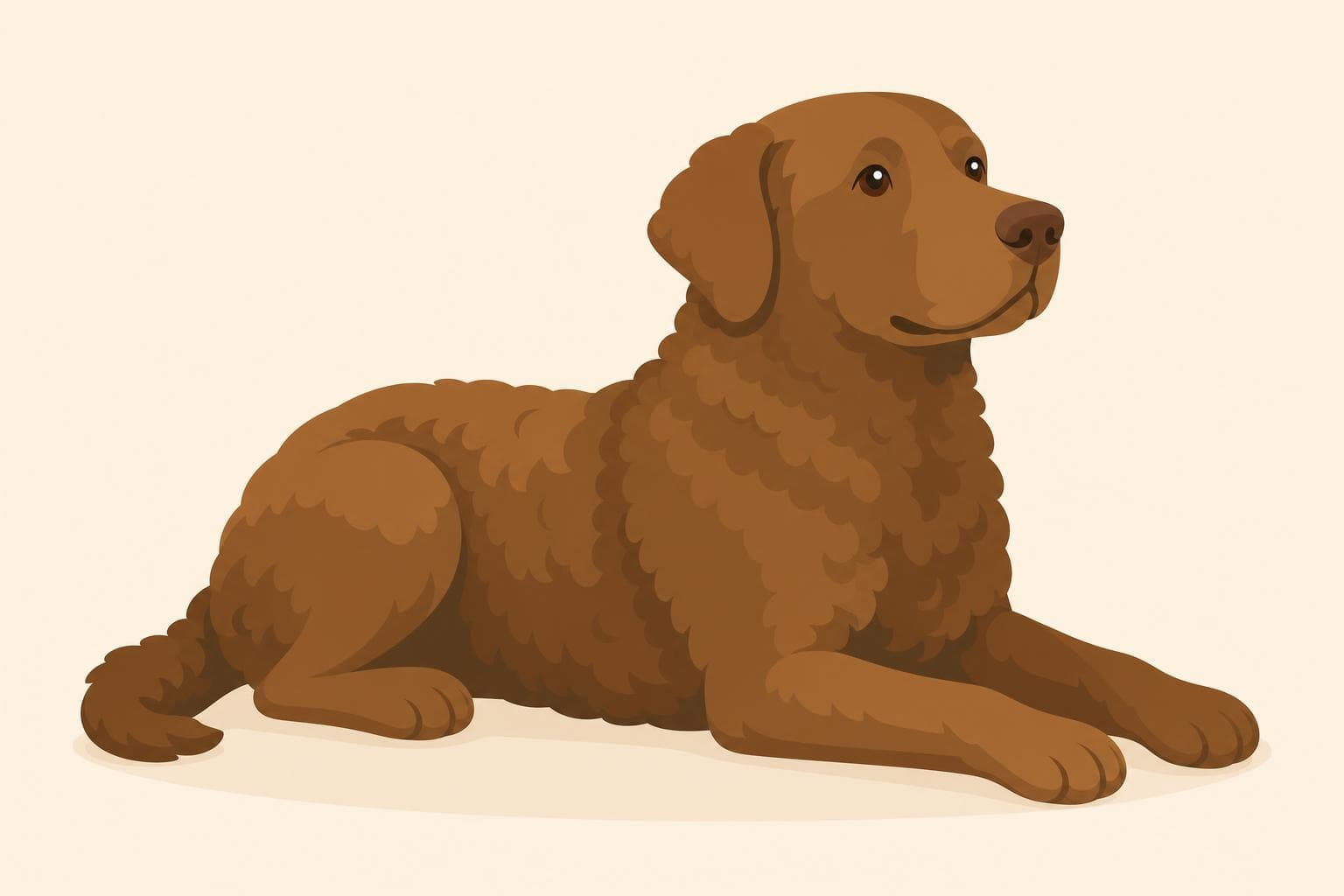
Chesapeake Bay Retrievers, affectionately called 'Chessies,' are the more serious, independent cousins of the Labrador and Golden Retriever. They form deep bonds with their families and often pick a favorite person while still loving everyone in the household. Chessies are naturally protective and a bit reserved around strangers, which makes them excellent watchdogs in a family setting. With their own kids, they're patient and affectionate, though their size and enthusiasm mean supervision is wise with toddlers.
Behavior & traits
- devoted to family
- protective watchdog
- strong willed
- loves water
- gentle with their own kids
Health concerns
Chessies are generally hardy, but families should be aware of hip and elbow dysplasia, progressive retinal atrophy (PRA), and certain heart conditions like degenerative myelopathy. Ear infections can also be a concern given their love of swimming, so regular ear checks are important. Buying from a reputable breeder who health-tests parents goes a long way toward a healthy lifelong companion.
Responsible breeding and regular check-ups go a long way. Always ask breeders about health testing.
Feeding & nutrition
A typical adult Chessie does well on 2–3 cups of high-quality large-breed kibble per day, split into two meals to support digestion and reduce bloat risk. Look for foods with quality animal protein and joint-supporting ingredients like glucosamine. Because they're active and food-motivated, portion control matters — Chessies can pack on weight if treats and table scraps add up.
Exercise needs
Chesapeake Bay Retrievers need a solid hour or more of vigorous exercise daily — they were bred to retrieve waterfowl in icy bays, after all. Families can meet this with brisk walks, fetch sessions, swimming, hiking, or dock diving, which Chessies absolutely love. A bored Chessie can become destructive, so daily activity is non-negotiable for a happy household.
Living with a Chesapeake Bay Retriever
Living with a Chessie means sharing your life with a dog who's deeply devoted, a little quirky, and always up for adventure — especially if water is involved. They tend to shadow their favorite family members around the house, snoozing nearby while the kids do homework or quietly supervising dinner prep. Their distinctive wavy, oily double coat has a slightly musky smell that some families find charming and others take time to adjust to, and yes, they do shed seasonally. Chessies are more independent-minded than Labs or Goldens, so expect a dog with opinions who responds best to confident, consistent leadership. Families often describe them as 'one-of-a-kind' — protective on the porch, goofy in the backyard, and snuggly on the couch after a long day of play.
Recommended products
A sturdy no-pull harness and a long-line leash are essential for safely managing this strong, athletic breed on walks and near water. Invest in a high-quality slicker brush and undercoat rake to manage seasonal shedding, plus a gentle dog ear cleaner for after swims. Durable retrieving toys like rubber bumpers, floating fetch toys, and tough chew toys will keep their working-dog brain happy. A raised, large-breed feeder and an orthopedic dog bed round out the essentials for supporting their joints through a long, active life.
Reads for Chesapeake Bay Retriever owners
![[header] Border Collie with puzzle toys](/_next/image?url=https%3A%2F%2Fimages.ctfassets.net%2Fq8y32akc6zms%2F7eTvC6qBF3gqDFvQSzcpXM%2Fa35b628bfd670bfc52bf4bcd532fc1b6%2Fheader.jpg&w=3840&q=75)
Engaging Activities for Border Collies: A How-To Guide
Is your Border Collie always on the lookout for something to do? Dive into engaging mental activities that will keep their sharp minds busy and entertained!
![[header] Senior dog resting on an orthopedic bed while a puppy waits](/_next/image?url=https%3A%2F%2Fimages.ctfassets.net%2Fq8y32akc6zms%2F4EwnObSBED8EN4IbvFJgaN%2Fc15a1446d531fd28d8e6854c46c3de7f%2Fheader.jpg&w=3840&q=75)
Before the Puppy Arrives: A Pre-Arrival Checklist for Your Senior Dog
Your calm senior dog has been quietly compensating for aches, stiffness, and fading senses for years — and a new puppy is about to expose all of it. This pre-arrival checklist walks you through the vet workup, pain baseline, and home setup to tackle in the weeks *before* pickup day, so your older dog isn't blindsided by the chaos.
![[header] Small dog wearing a soft mesh harness walking on a sunny pat](/_next/image?url=https%3A%2F%2Fimages.ctfassets.net%2Fq8y32akc6zms%2F3p03PzT9zANgbTC9dAOMJ2%2Ff95efe8539856e9489ef9bd4e861c4ba%2Fheader.jpg&w=3840&q=75)
Comfortable Harnesses for Small Dogs Prone to Tracheal Collapse
Is your small dog coughing from their collar? Discover harnesses designed for pups prone to tracheal collapse, offering protection and comfort with every walk.