Chinook
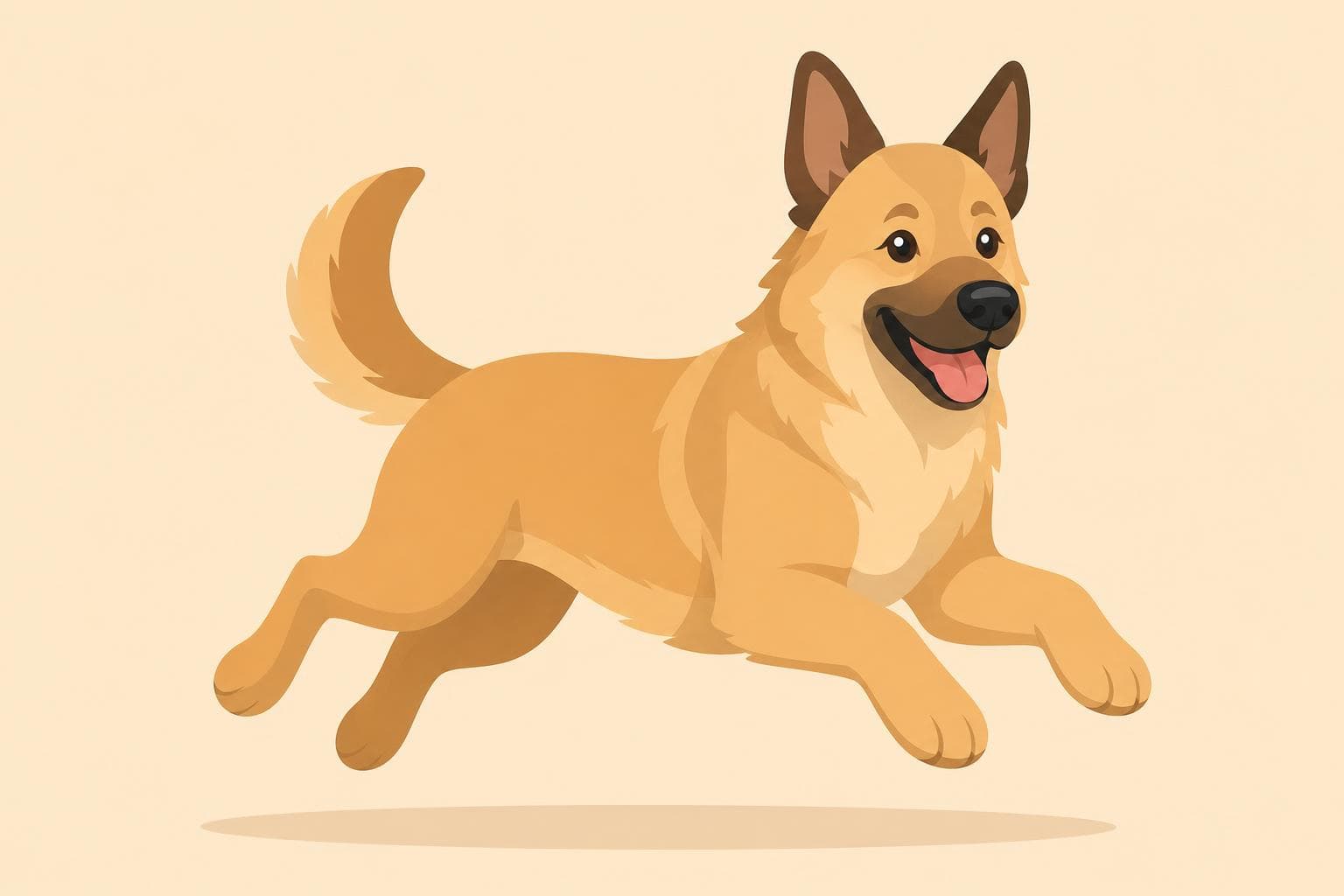
Chinooks are often called the 'gentle giants' of the working group — affectionate, mellow, and deeply bonded to their people. They thrive on being part of the family and are happiest when they're involved in whatever the household is doing, whether that's a backyard game or movie night on the couch. While they have plenty of working-dog stamina outdoors, they tend to be wonderfully calm and easygoing inside the home.
Behavior & traits
- wonderful with kids
- loyal companion
- eager to please
- calm indoors
- gets along with other dogs
Health concerns
Chinooks are a generally healthy breed, but families should be aware of hip dysplasia, eye conditions like cataracts, and a breed-specific neurological issue called Chinook seizures, which is typically manageable. Reputable breeders screen for these concerns, so always ask about health testing. Routine vet checkups and keeping your Chinook at a healthy weight go a long way toward a long, happy life.
Responsible breeding and regular check-ups go a long way. Always ask breeders about health testing.
Feeding & nutrition
A high-quality large-breed dog food with balanced protein and joint-supporting nutrients like glucosamine works well for most Chinooks. Adult dogs typically eat 3–4 cups of kibble per day split into two meals, though active dogs may need more. Because they're food-motivated, watch portion sizes and treats to prevent weight gain that could stress their joints.
Exercise needs
Chinooks need about an hour of daily exercise — think brisk walks, hikes, fetch sessions, or jogging alongside a family member. They were bred as sled dogs, so they love pulling activities like bikejoring or weight-pull games, and they make excellent hiking buddies for active families. A securely fenced yard is a bonus, but they truly thrive on doing activities with their people rather than alone.
Living with a Chinook
Living with a Chinook feels a bit like having a quietly devoted shadow — they'll follow you from room to room without being clingy or demanding. They're famously patient with children, often tolerating toddler antics with a calm wag, and they tend to be friendly (if a little reserved at first) with new people. Expect twice-yearly heavy shedding seasons when you'll be vacuuming more than usual, plus regular brushing year-round. They're quiet compared to many working breeds, rarely nuisance barkers, but they do crave companionship and don't do well left alone for long stretches. Most families are surprised by how intuitive and emotionally tuned-in Chinooks are — they really do seem to read the room.
Recommended products
A sturdy slicker brush and undercoat rake are essentials for managing their double coat, especially during shedding season. Look for a no-pull harness for walks since they're strong dogs with sled-pulling instincts, and consider durable puzzle toys or a snuffle mat to engage their clever minds. A raised stainless steel food bowl supports comfortable eating for a large breed, and an orthopedic dog bed will keep their joints happy as they relax with the family.
Reads for Chinook owners
![[header] Border Collie with puzzle toys](/_next/image?url=https%3A%2F%2Fimages.ctfassets.net%2Fq8y32akc6zms%2F7eTvC6qBF3gqDFvQSzcpXM%2Fa35b628bfd670bfc52bf4bcd532fc1b6%2Fheader.jpg&w=3840&q=75)
Engaging Activities for Border Collies: A How-To Guide
Is your Border Collie always on the lookout for something to do? Dive into engaging mental activities that will keep their sharp minds busy and entertained!
![[header] Senior dog resting on an orthopedic bed while a puppy waits](/_next/image?url=https%3A%2F%2Fimages.ctfassets.net%2Fq8y32akc6zms%2F4EwnObSBED8EN4IbvFJgaN%2Fc15a1446d531fd28d8e6854c46c3de7f%2Fheader.jpg&w=3840&q=75)
Before the Puppy Arrives: A Pre-Arrival Checklist for Your Senior Dog
Your calm senior dog has been quietly compensating for aches, stiffness, and fading senses for years — and a new puppy is about to expose all of it. This pre-arrival checklist walks you through the vet workup, pain baseline, and home setup to tackle in the weeks *before* pickup day, so your older dog isn't blindsided by the chaos.
![[header] Small dog wearing a soft mesh harness walking on a sunny pat](/_next/image?url=https%3A%2F%2Fimages.ctfassets.net%2Fq8y32akc6zms%2F3p03PzT9zANgbTC9dAOMJ2%2Ff95efe8539856e9489ef9bd4e861c4ba%2Fheader.jpg&w=3840&q=75)
Comfortable Harnesses for Small Dogs Prone to Tracheal Collapse
Is your small dog coughing from their collar? Discover harnesses designed for pups prone to tracheal collapse, offering protection and comfort with every walk.