Chow Chow
Chow Chows are the quiet, dignified observers of the dog world — deeply loyal to their family but rarely fawning. They tend to bond closely with one or two people in the household while remaining politely aloof with everyone else, including visitors. In a family home, they're typically calm, well-mannered, and content to be near their people without demanding constant attention or play.
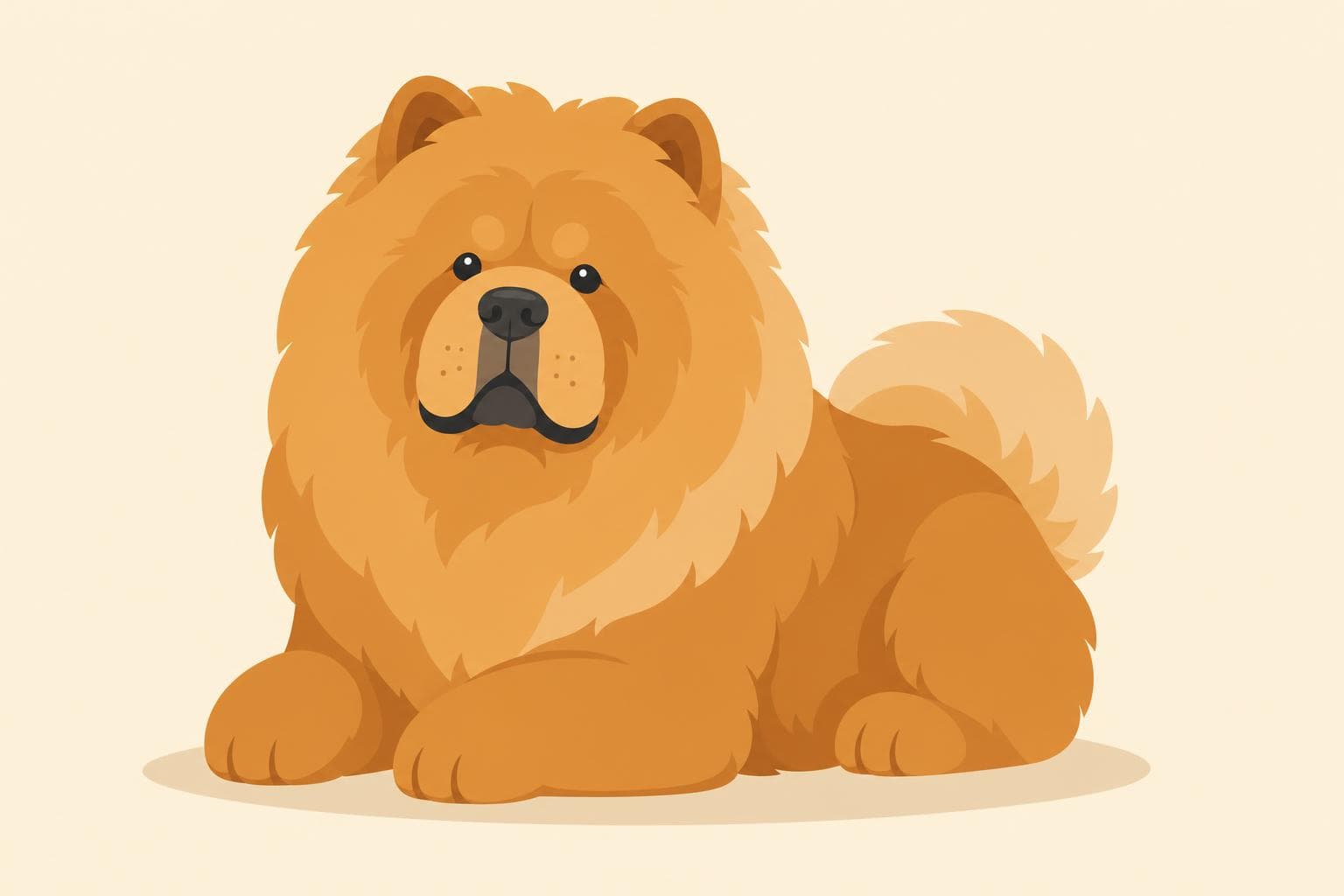
Behavior & traits
- devoted to family
- wary of strangers
- calm indoors
- strong willed
- cat like independence
Health concerns
Chow Chows are prone to hip and elbow dysplasia, entropion (an eyelid condition that may require surgery), and autoimmune skin issues. Their thick double coat also makes them very susceptible to heatstroke, so families in warm climates need to be extra cautious. Regular vet checkups and a reputable breeder who screens for these conditions can make a meaningful difference.
Responsible breeding and regular check-ups go a long way. Always ask breeders about health testing.
Feeding & nutrition
A high-quality large-breed kibble divided into two measured meals a day works well for most Chow Chows. Because they're a lower-energy breed, it's easy for them to gain weight, so families should watch portion sizes and limit table scraps. Some Chows have sensitive skin, so a food rich in omega-3s and quality proteins can help support their coat.
Exercise needs
Despite their sturdy build, Chow Chows are fairly low-energy and typically need just one or two moderate walks per day plus some gentle play. They're not jogging companions and overheat easily, so cool-weather walks and shaded backyard time are ideal. Families with busy schedules often appreciate how undemanding they are compared to other large breeds.
Living with a Chow Chow
Living with a Chow Chow is a bit like sharing your home with a regal, four-legged cat. They're quiet, clean, and often house-train quickly, but they also have strong opinions about their personal space and may not enjoy being hugged, climbed on, or surprised — which makes them better suited to families with older, calmer children who understand canine boundaries. Expect daily brushing during shedding season (and yes, there's a lot of fluff — twice a year the coat seems to come off in clouds). They're naturally protective and will alert you to anything unusual, but they're not barkers by nature. Many families are pleasantly surprised by how mellow and dignified daily life with a Chow really is, as long as early socialization and consistent, respectful training are part of the routine.
Recommended products
A sturdy slicker brush, undercoat rake, and metal comb are absolute must-haves for managing that thick double coat, along with a high-velocity dryer if you want to keep shedding under control at home. Because Chows can be strong and stubborn on leash, a well-fitted no-pull harness paired with a 6-foot leash gives families better control on walks. Elevated food and water bowls suit their stocky build, and a cooling mat or raised cot is invaluable during warmer months to help prevent overheating.
Reads for Chow Chow owners
![[header] Border Collie with puzzle toys](/_next/image?url=https%3A%2F%2Fimages.ctfassets.net%2Fq8y32akc6zms%2F7eTvC6qBF3gqDFvQSzcpXM%2Fa35b628bfd670bfc52bf4bcd532fc1b6%2Fheader.jpg&w=3840&q=75)
Engaging Activities for Border Collies: A How-To Guide
Is your Border Collie always on the lookout for something to do? Dive into engaging mental activities that will keep their sharp minds busy and entertained!
![[header] Senior dog resting on an orthopedic bed while a puppy waits](/_next/image?url=https%3A%2F%2Fimages.ctfassets.net%2Fq8y32akc6zms%2F4EwnObSBED8EN4IbvFJgaN%2Fc15a1446d531fd28d8e6854c46c3de7f%2Fheader.jpg&w=3840&q=75)
Before the Puppy Arrives: A Pre-Arrival Checklist for Your Senior Dog
Your calm senior dog has been quietly compensating for aches, stiffness, and fading senses for years — and a new puppy is about to expose all of it. This pre-arrival checklist walks you through the vet workup, pain baseline, and home setup to tackle in the weeks *before* pickup day, so your older dog isn't blindsided by the chaos.
![[header] Small dog wearing a soft mesh harness walking on a sunny pat](/_next/image?url=https%3A%2F%2Fimages.ctfassets.net%2Fq8y32akc6zms%2F3p03PzT9zANgbTC9dAOMJ2%2Ff95efe8539856e9489ef9bd4e861c4ba%2Fheader.jpg&w=3840&q=75)
Comfortable Harnesses for Small Dogs Prone to Tracheal Collapse
Is your small dog coughing from their collar? Discover harnesses designed for pups prone to tracheal collapse, offering protection and comfort with every walk.