Collie
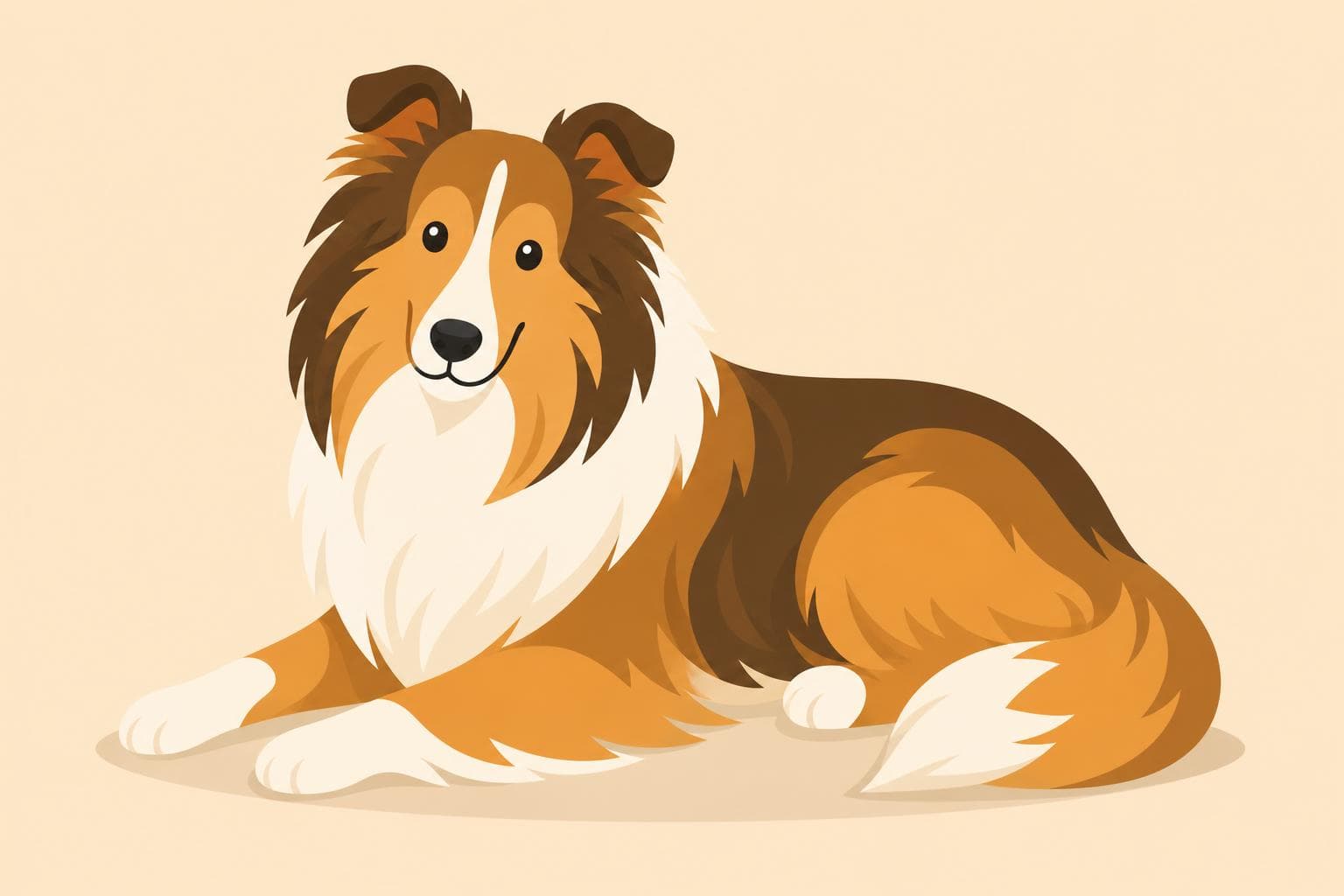
Collies are famously gentle, intuitive dogs who seem almost tuned in to their family's emotions — there's a reason Lassie became a household name. They form deep bonds with every member of the household and are especially patient and tender with children. In a family home, you'll often find your Collie quietly watching over the kids, following you from room to room, and gently herding everyone together at the end of the day.
Behavior & traits
- devoted to family
- wonderful with children
- eager to please
- naturally protective
- highly trainable
Health concerns
Collies are prone to Collie Eye Anomaly (CEA), a hereditary eye condition, so reputable breeders should test for it. They can also carry the MDR1 gene mutation, which affects how they process certain medications — be sure to share this with your vet. Hip dysplasia and bloat are other concerns worth discussing at routine check-ups.
Responsible breeding and regular check-ups go a long way. Always ask breeders about health testing.
Feeding & nutrition
Most adult Collies do well on 2–3 cups of high-quality dry food daily, split into two meals to help reduce the risk of bloat. Look for a formula appropriate to their age and activity level, with balanced protein and joint-supporting nutrients like glucosamine. Avoid free-feeding, as Collies can be prone to weight gain if exercise dips.
Exercise needs
Collies need about 60 minutes of daily exercise — think brisk walks, backyard play, or a game of fetch with the kids. They genuinely enjoy having a job, so activities like agility, herding trials, or even structured trick training are a wonderful outlet. A securely fenced yard is a bonus, but a committed family can absolutely meet their needs with daily outings.
Living with a Collie
Living with a Collie is a bit like having a quiet, devoted shadow who genuinely cares about your day. They thrive on being part of family life — present for homework time, movie night, and the morning school run — and tend to get anxious if left alone for long stretches. Expect some vocal moments; Collies are alert barkers who'll let you know when the mail arrives or a squirrel dares cross the yard. Their coats shed seasonally in dramatic bursts (often called 'blowing coat'), so brace yourself for tumbleweeds of fur a couple of times a year. In return, you get a sensitive, eager-to-please companion who's almost magically attuned to children and household rhythms.
Recommended products
A quality slicker brush and undercoat rake are non-negotiable for managing that beautiful double coat, plus a de-shedding tool for seasonal coat blows. A padded no-pull harness makes walks comfortable, and a slow-feeder or elevated bowl can help reduce bloat risk during meals. Puzzle toys and treat-dispensing balls keep their sharp minds engaged, and a sturdy long-line leash is great for safe off-leash-style play in open spaces.
Reads for Collie owners
![[header] Border Collie with puzzle toys](/_next/image?url=https%3A%2F%2Fimages.ctfassets.net%2Fq8y32akc6zms%2F7eTvC6qBF3gqDFvQSzcpXM%2Fa35b628bfd670bfc52bf4bcd532fc1b6%2Fheader.jpg&w=3840&q=75)
Engaging Activities for Border Collies: A How-To Guide
Is your Border Collie always on the lookout for something to do? Dive into engaging mental activities that will keep their sharp minds busy and entertained!
![[header] Senior dog resting on an orthopedic bed while a puppy waits](/_next/image?url=https%3A%2F%2Fimages.ctfassets.net%2Fq8y32akc6zms%2F4EwnObSBED8EN4IbvFJgaN%2Fc15a1446d531fd28d8e6854c46c3de7f%2Fheader.jpg&w=3840&q=75)
Before the Puppy Arrives: A Pre-Arrival Checklist for Your Senior Dog
Your calm senior dog has been quietly compensating for aches, stiffness, and fading senses for years — and a new puppy is about to expose all of it. This pre-arrival checklist walks you through the vet workup, pain baseline, and home setup to tackle in the weeks *before* pickup day, so your older dog isn't blindsided by the chaos.
![[header] Small dog wearing a soft mesh harness walking on a sunny pat](/_next/image?url=https%3A%2F%2Fimages.ctfassets.net%2Fq8y32akc6zms%2F3p03PzT9zANgbTC9dAOMJ2%2Ff95efe8539856e9489ef9bd4e861c4ba%2Fheader.jpg&w=3840&q=75)
Comfortable Harnesses for Small Dogs Prone to Tracheal Collapse
Is your small dog coughing from their collar? Discover harnesses designed for pups prone to tracheal collapse, offering protection and comfort with every walk.