Curly-Coated Retriever
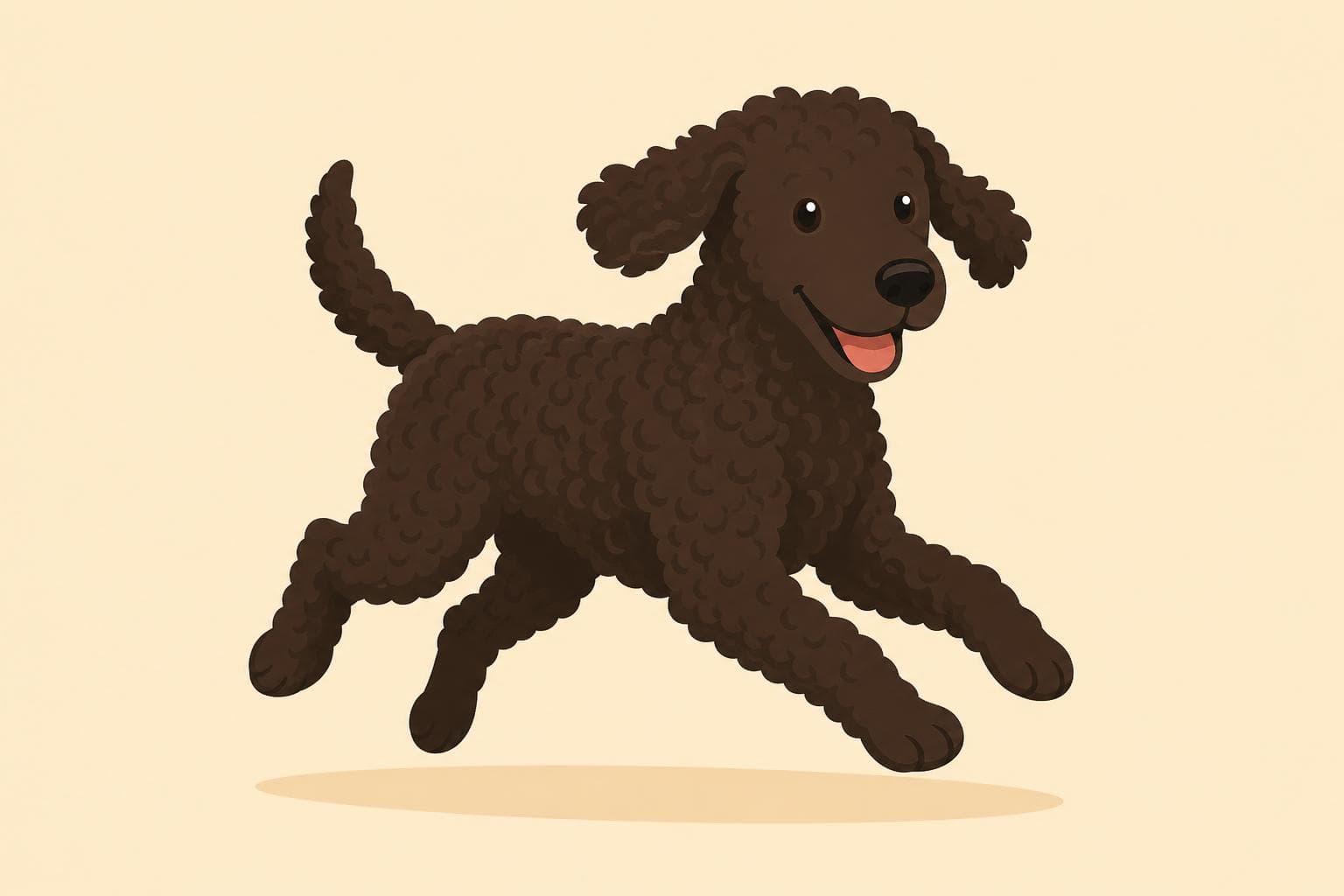
Curly-Coated Retrievers are the thinkers of the retriever world — confident, affectionate, and a bit more independent than their Labrador cousins. At home, they tend to be calm and dignified once their exercise needs are met, but they have a wonderfully playful side that comes out around the people they love. They're typically gentle and patient with children, especially kids old enough to respect their size and energy, and they make excellent companions for families who enjoy the outdoors.
Behavior & traits
- gentle with kids
- loyal
- alert watchdog
- fun loving
- eager to please
Health concerns
Curlies are generally a hardy breed, but families should be aware of hip and elbow dysplasia, eye conditions like progressive retinal atrophy, and a higher-than-average risk of certain cancers as they age. Bloat (gastric torsion) can also be a concern in deep-chested dogs, so feeding routines matter. Reputable breeders will provide health clearances for hips, eyes, and heart.
Responsible breeding and regular check-ups go a long way. Always ask breeders about health testing.
Feeding & nutrition
A high-quality large-breed dog food split into two daily meals works best, with portions adjusted for age and activity level. Because Curlies are deep-chested, avoid heavy exercise right before or after meals to reduce bloat risk. Many families find a slow-feeder bowl helpful for enthusiastic eaters.
Exercise needs
This is an active sporting breed that needs at least an hour of vigorous exercise daily — think long walks, runs, fetch sessions, or best of all, swimming, which they absolutely love. Families with backyards, access to lakes, or time for daily adventures will be the happiest match. Without enough activity, a bored Curly can become restless and mischievous indoors.
Living with a Curly-Coated Retriever
Living with a Curly-Coated Retriever is a bit like having a fun-loving athlete and a thoughtful old soul in the same dog. Mornings often start with eager energy — they're ready for a walk, a swim, or a game of fetch before settling into a calm, easygoing presence around the house. They're affectionate without being clingy, which many families appreciate; they'll happily nap nearby while the kids do homework rather than demand constant attention. Expect a dog that's alert enough to announce visitors but rarely yappy, and one that bonds deeply with the whole family rather than fixating on one person. The biggest surprise for many owners is how independent-minded they can be — Curlies think for themselves, so training works best when it's positive, consistent, and a little bit fun.
Recommended products
A sturdy no-pull harness and a long lead are essentials for an active, water-loving dog this size, along with a quick-dry microfiber towel for post-swim cleanups. Invest in a slow-feeder bowl to help reduce bloat risk and durable fetch toys like rubber bumpers or floating retrievers that play to their natural instincts. A simple rubber curry brush is all you really need for grooming, plus a raised orthopedic bed to support their joints as they age.
Reads for Curly-Coated Retriever owners
![[header] Border Collie with puzzle toys](/_next/image?url=https%3A%2F%2Fimages.ctfassets.net%2Fq8y32akc6zms%2F7eTvC6qBF3gqDFvQSzcpXM%2Fa35b628bfd670bfc52bf4bcd532fc1b6%2Fheader.jpg&w=3840&q=75)
Engaging Activities for Border Collies: A How-To Guide
Is your Border Collie always on the lookout for something to do? Dive into engaging mental activities that will keep their sharp minds busy and entertained!
![[header] Senior dog resting on an orthopedic bed while a puppy waits](/_next/image?url=https%3A%2F%2Fimages.ctfassets.net%2Fq8y32akc6zms%2F4EwnObSBED8EN4IbvFJgaN%2Fc15a1446d531fd28d8e6854c46c3de7f%2Fheader.jpg&w=3840&q=75)
Before the Puppy Arrives: A Pre-Arrival Checklist for Your Senior Dog
Your calm senior dog has been quietly compensating for aches, stiffness, and fading senses for years — and a new puppy is about to expose all of it. This pre-arrival checklist walks you through the vet workup, pain baseline, and home setup to tackle in the weeks *before* pickup day, so your older dog isn't blindsided by the chaos.
![[header] Small dog wearing a soft mesh harness walking on a sunny pat](/_next/image?url=https%3A%2F%2Fimages.ctfassets.net%2Fq8y32akc6zms%2F3p03PzT9zANgbTC9dAOMJ2%2Ff95efe8539856e9489ef9bd4e861c4ba%2Fheader.jpg&w=3840&q=75)
Comfortable Harnesses for Small Dogs Prone to Tracheal Collapse
Is your small dog coughing from their collar? Discover harnesses designed for pups prone to tracheal collapse, offering protection and comfort with every walk.