Dachshund
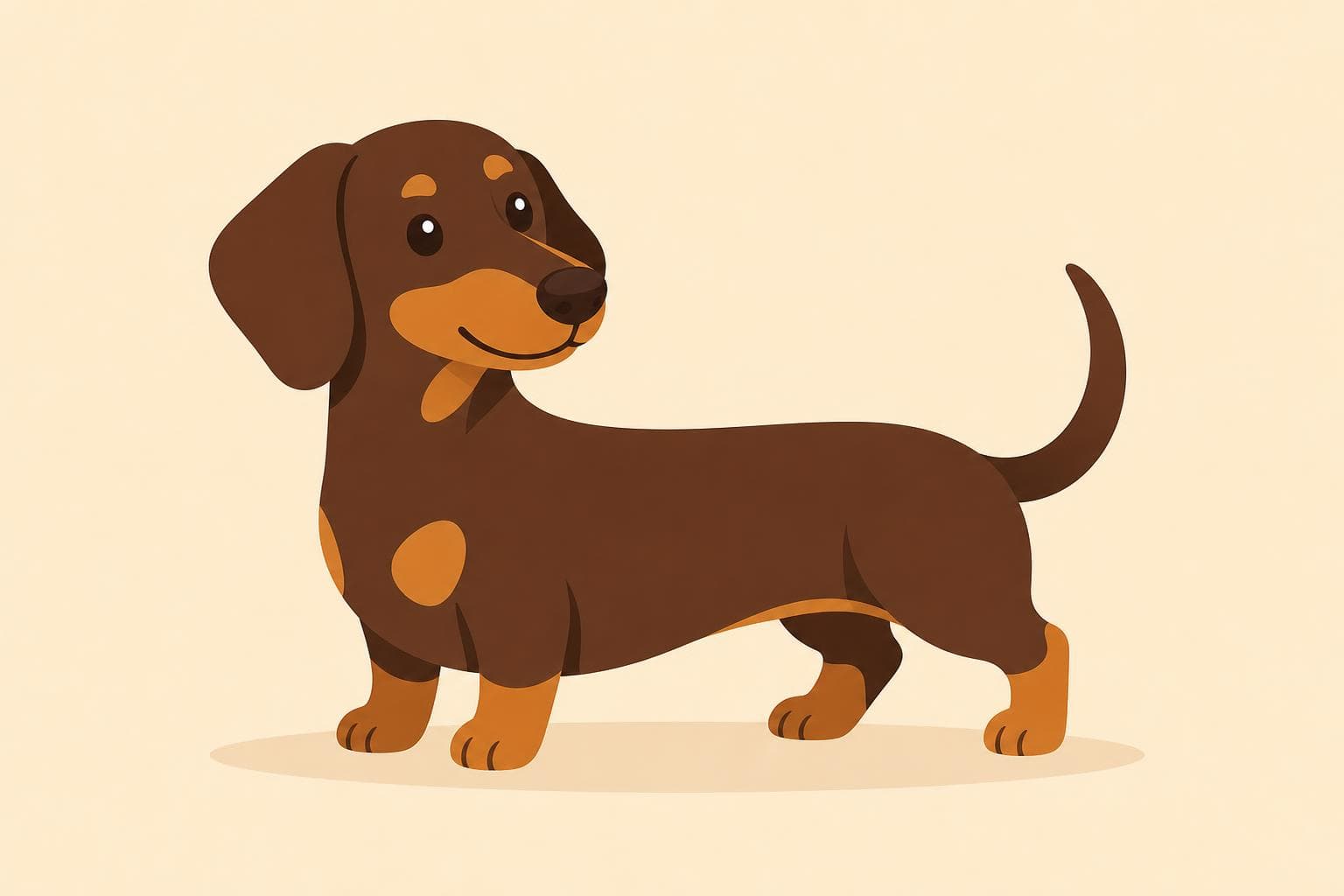
Dachshunds are big personalities in small packages — bold, curious, and endlessly entertaining. They bond deeply with their families and often pick a favorite person they'll shadow from room to room. Originally bred to hunt badgers, they retain a fearless, determined streak that makes them surprisingly brave and occasionally mischievous. In a family setting, they're affectionate cuddlers who love being part of the action.
Behavior & traits
- devoted to family
- alert watchdog
- playful with kids
- stubborn streak
- prey driven
Health concerns
Dachshunds are most known for back problems, specifically Intervertebral Disc Disease (IVDD), due to their long spines — families should prevent jumping off furniture and use ramps when possible. They're also prone to obesity, which puts extra strain on their backs, as well as dental issues and patellar luxation. Regular vet checkups and weight management go a long way toward a long, healthy life.
Responsible breeding and regular check-ups go a long way. Always ask breeders about health testing.
Feeding & nutrition
Feed a high-quality small-breed formula measured carefully — Dachshunds gain weight easily, and even a couple extra pounds stresses their spine. Most adults do well on 1/2 to 1 1/2 cups of food split into two meals daily, depending on size and activity. Keep treats minimal and skip table scraps to protect their long backs and waistlines.
Exercise needs
Dachshunds need about 30–60 minutes of daily exercise through walks, sniff-filled adventures, and gentle play. Avoid stairs, jumping, and rough activity that could injure their backs — stick to flat, steady walks and interactive games. Families can easily meet these needs with two shorter walks a day plus backyard play with the kids.
Living with a Dachshund
Living with a Dachshund is equal parts comedy show and devoted companionship. They'll burrow under every blanket they can find, bark at the mail carrier with the confidence of a much bigger dog, and follow you everywhere — even to the bathroom. Families quickly learn the household rules around 'no jumping off the couch' and invest in pet stairs or ramps to protect those long backs. They can be stubborn during training and a bit vocal, but their loyalty and goofy charm more than make up for it. With older, gentle children they're wonderful playmates, though families with toddlers should supervise closely since rough handling can hurt their spines.
Recommended products
A sturdy step or ramp for couches and beds is essential to protect Dachshund backs, along with a well-fitted harness (never a collar-only leash) to avoid neck strain. Plush burrow beds or blanket nests cater to their love of tunneling, and slow-feeder bowls or puzzle toys help manage their food-motivated tendencies. A soft-bristle brush for smooth coats, or a slicker brush and occasional stripping for wirehaired and longhaired varieties, keeps grooming simple and bonding-friendly.
Reads for Dachshund owners
![[header] Miniature dachshund wearing a harness standing on a sidewalk](/_next/image?url=https%3A%2F%2Fimages.ctfassets.net%2Fq8y32akc6zms%2F28ZybGMtNthZd2pKfND5G5%2Fa548840c1b55ed7ba0788a6548538bf5%2Fheader.jpg&w=3840&q=75)
Best Dog Harness for Miniature Dachshunds: Easy, Comfortable Options
When it comes to finding the best harness for your energetic miniature dachshund, comfort and fit are key. Explore our top picks designed specifically for their unique build, and make walk time a breeze for both you and your pup.
![[header] A Dachshund and a Corgi both wearing harnesses on a walk out](/_next/image?url=https%3A%2F%2Fimages.ctfassets.net%2Fq8y32akc6zms%2F6L3jFI6NJ6nJB6UXYMcayr%2F6f368faa4680a9b9eee3ed86109c015f%2Fheader.jpg&w=3840&q=75)
The Best Dog Harnesses for Short-Legged Breeds
Finding the perfect harness for your short-legged pup, like a Dachshund or Corgi, is no small feat. Learn the best options to keep them both comfortable and safe from tripping.
![[header] Border Collie with puzzle toys](/_next/image?url=https%3A%2F%2Fimages.ctfassets.net%2Fq8y32akc6zms%2F7eTvC6qBF3gqDFvQSzcpXM%2Fa35b628bfd670bfc52bf4bcd532fc1b6%2Fheader.jpg&w=3840&q=75)
Engaging Activities for Border Collies: A How-To Guide
Is your Border Collie always on the lookout for something to do? Dive into engaging mental activities that will keep their sharp minds busy and entertained!