Doberman Pinscher
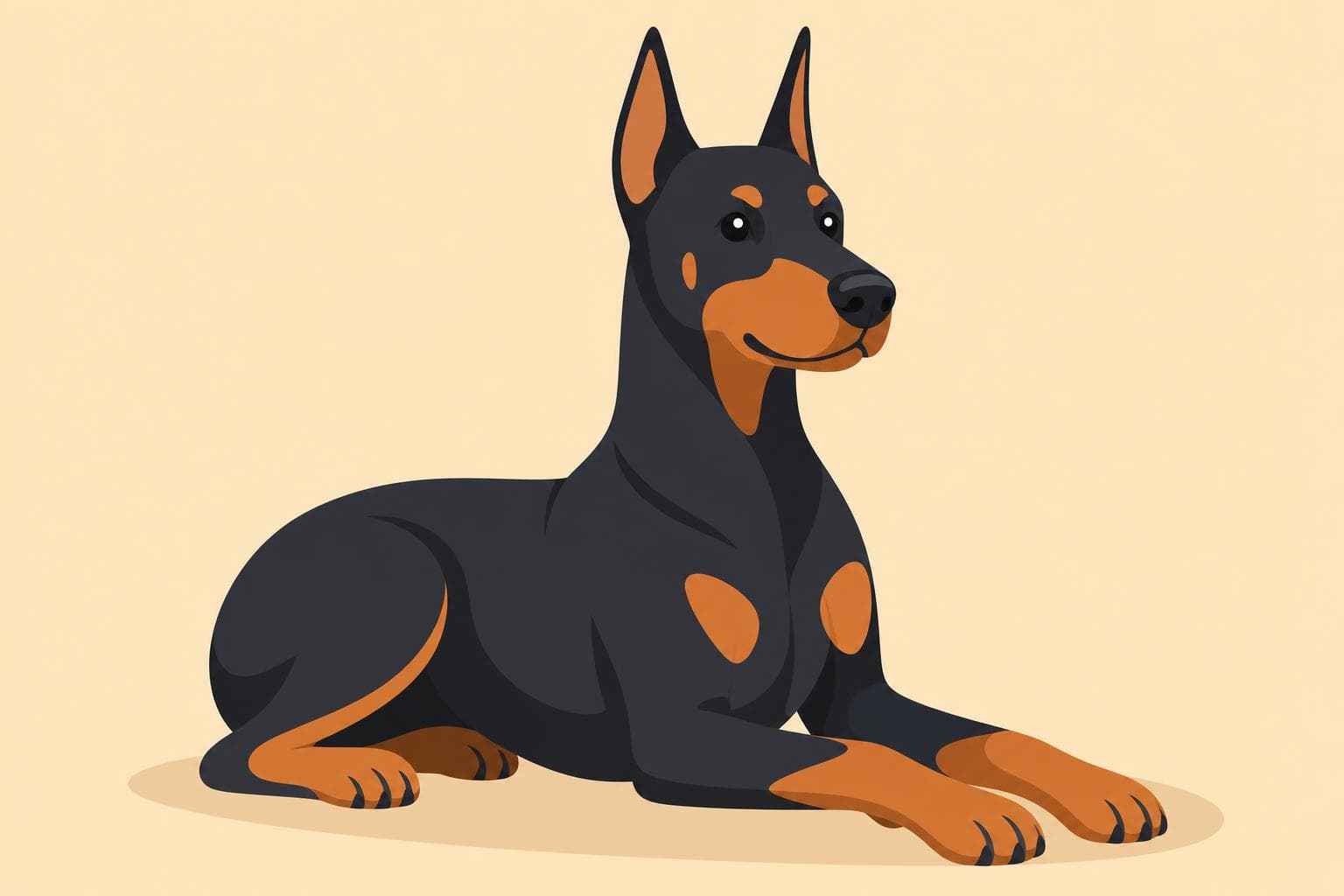
Doberman Pinschers are often called 'velcro dogs' because they bond deeply with their families and love to be wherever the action is. Despite their sleek, serious appearance, they're surprisingly goofy, affectionate, and eager to please at home. With proper socialization, they're gentle and patient with children in their family, while remaining naturally watchful of strangers. Their intelligence means they thrive when given a job, structure, and plenty of together time.
Behavior & traits
- devoted to family
- protective
- highly trainable
- playful with kids
- people oriented
Health concerns
Dobermans are prone to dilated cardiomyopathy (DCM), a serious heart condition that families should screen for regularly with a vet cardiologist. They can also be affected by von Willebrand's disease (a clotting disorder), hip dysplasia, and bloat (gastric torsion). Choosing a responsible breeder who health-tests parents and scheduling annual cardiac checkups can make a big difference.
Responsible breeding and regular check-ups go a long way. Always ask breeders about health testing.
Feeding & nutrition
A high-quality, large-breed dog food with balanced protein and taurine support is ideal, typically divided into two meals a day to help reduce the risk of bloat. Most adult Dobermans eat between 3 and 5 cups of kibble daily, depending on activity level and metabolism. Avoid heavy exercise right before or after meals, and ask your vet about supplements that support heart and joint health.
Exercise needs
Dobermans need at least 60–90 minutes of vigorous exercise daily, including walks, runs, fetch, or off-leash play in a secure yard. They love structured activities like agility, obedience, scent work, or jogging alongside an active family member. Without enough physical and mental outlets, they can become restless and mischievous, so building exercise into the family routine is essential.
Living with a Doberman Pinscher
Living with a Doberman is like having a devoted shadow with a wagging stub of a tail. They'll follow you from room to room, curl up against you on the couch (despite their size), and quietly keep tabs on every family member throughout the day. Mornings usually start with enthusiastic greetings and a good run or walk, and they settle beautifully into the household once their energy is met. Families are often surprised by how silly and snuggly they are — far from the intimidating image, Dobermans are sensitive souls who don't do well being left alone for long stretches. Expect a dog that's deeply tuned in to your moods, protective without being aggressive, and genuinely part of the family fabric.
Recommended products
A sturdy no-pull harness and a 6-foot leash are must-haves for daily walks with such a strong, athletic dog. Because Dobermans have short coats and low body fat, invest in a warm winter coat and a soft, supportive orthopedic bed for joint health. A slow-feeder bowl can help reduce bloat risk, and durable chew toys plus puzzle feeders will keep their sharp minds happily occupied. A rubber grooming mitt makes quick work of weekly brushing and doubles as bonding time.
Reads for Doberman Pinscher owners
![[header] Illustration of a watchful guardian dog sitting alertly besi](/_next/image?url=https%3A%2F%2Fimages.ctfassets.net%2Fq8y32akc6zms%2F2Oiyfk7KLxhUOTUScQ79ns%2F04806719648a4ceb6fbf10048f84b3bf%2Fheader.jpg&w=3840&q=75)
The Loyal Guardian: The Dog Who Quietly Appointed Themselves Your Bodyguard
Devoted, watchful, and quietly convinced you need protecting — The Loyal Guardian is the dog who reads the room before you do and picks their people for keeps. Here's what makes them tick, the owners who bring out their best, and the breeds that tend to land in this archetype.
![[header] Row of six dogs from behind showing different tail shapes: c](/_next/image?url=https%3A%2F%2Fimages.ctfassets.net%2Fq8y32akc6zms%2F5nZnsETzgmjI9IRFWlh9Iq%2F64d1c62b2a2507a1e8960c07c7e18ffd%2Fheader.jpg&w=3840&q=75)
Reading Your Dog's Tail When It Doesn't Wag by the Book
If your dog has a curly, nubby, sickle, or docked tail, the standard 'low wag means happy' chart was never built for them. Here's how neutral, alert, and anxious actually look on Pugs, Corgis, Huskies, Boxers, and more — plus the secondary signals (hips, hackles, base tension) that fill in the gaps the tail can't.
![[header] Border Collie with puzzle toys](/_next/image?url=https%3A%2F%2Fimages.ctfassets.net%2Fq8y32akc6zms%2F7eTvC6qBF3gqDFvQSzcpXM%2Fa35b628bfd670bfc52bf4bcd532fc1b6%2Fheader.jpg&w=3840&q=75)
Engaging Activities for Border Collies: A How-To Guide
Is your Border Collie always on the lookout for something to do? Dive into engaging mental activities that will keep their sharp minds busy and entertained!