Field Spaniel
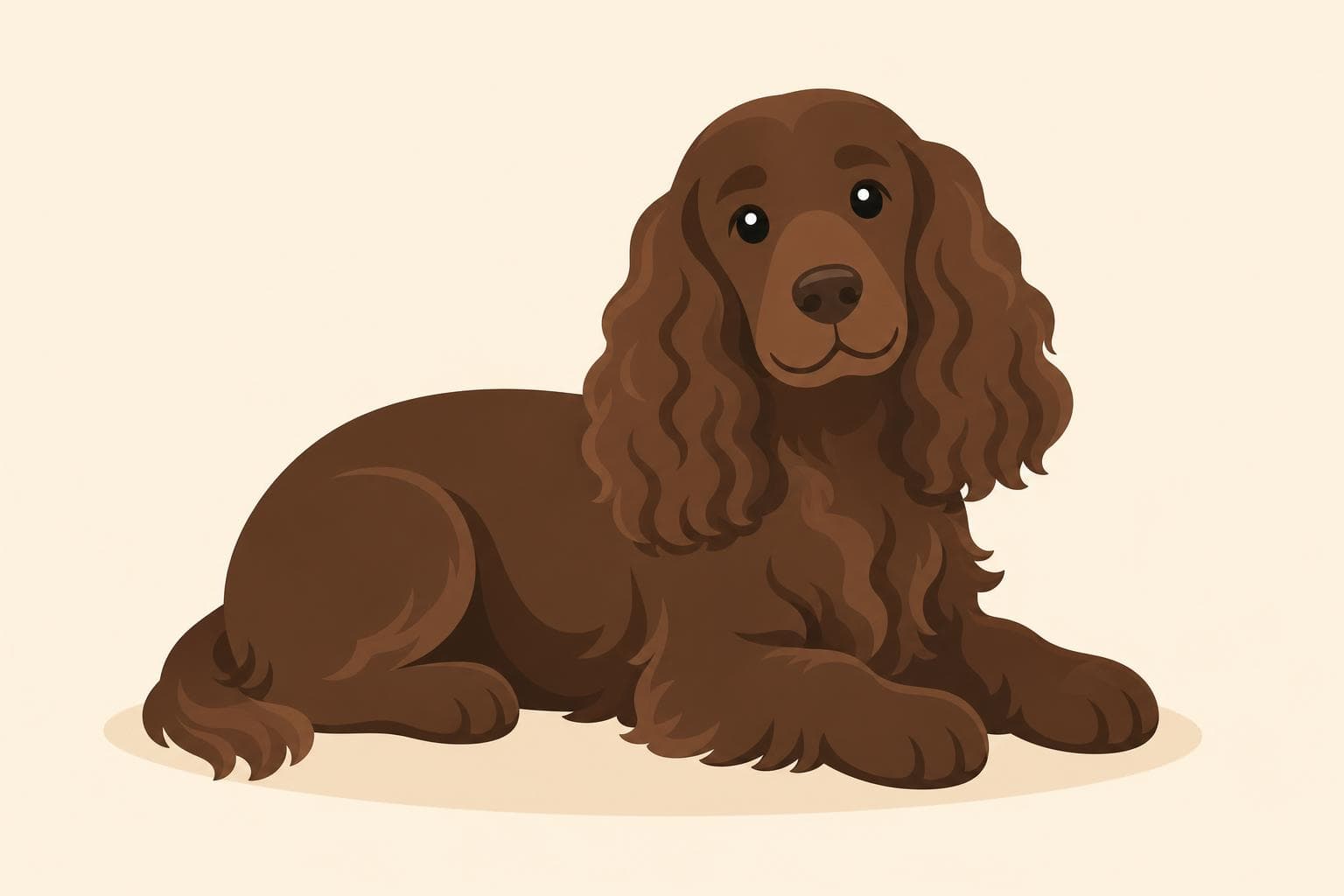
Field Spaniels are sweet-natured, sensitive souls who form deep bonds with their people and thrive on being included in family life. They're playful and affectionate without being hyper, often content to nap at your feet between adventures. Around children, they tend to be patient and gentle, though their sensitive nature means they do best in calm, predictable households where voices stay kind.
Behavior & traits
- gentle with kids
- people oriented
- eager to please
- calm indoors
- sensitive to tone
Health concerns
Field Spaniels can be prone to hip and elbow dysplasia, as well as eye conditions like progressive retinal atrophy and cataracts. Their long, pendulous ears make them susceptible to ear infections, so regular checks are essential. Some lines may also experience hypothyroidism, so routine vet wellness exams help catch issues early.
Responsible breeding and regular check-ups go a long way. Always ask breeders about health testing.
Feeding & nutrition
A high-quality dog food formulated for medium, active breeds works well, typically divided into two meals a day to support steady energy. Watch portions carefully, as Field Spaniels can put on weight if they're under-exercised or treated too generously. Fresh water and limited table scraps will keep your pup feeling their best.
Exercise needs
Field Spaniels need about an hour of daily exercise, which can be split between walks, backyard play, and mental enrichment like scent games or training sessions. As a sporting breed, they love activities that engage their nose and instincts — fetch, hiking, and swimming are favorites. Families with active kids will find a willing adventure partner here.
Living with a Field Spaniel
Living with a Field Spaniel feels a bit like having a thoughtful, velcro shadow — they want to be wherever you are, whether that's helping with laundry or supervising homework. They're quieter than many spaniels, settling nicely into household routines once their exercise needs are met, but they don't do well when left alone for long stretches and may become anxious or mopey. Expect some happy mud-tracking after walks, weekly ear cleanings, and a dog who genuinely seems to listen when you talk to them. Their sensitivity means harsh corrections backfire quickly, so families who lead with patience and positivity will see this breed truly shine. It's a rare breed, so you'll often be the only Field Spaniel at the park — and you'll get used to explaining what they are!
Recommended products
A slicker brush and metal comb are must-haves for keeping their feathered coat tangle-free, along with blunt-tipped scissors for trimming ear and foot fur. Invest in a quality ear-cleaning solution and use it weekly to prevent infections in those long, low-set ears. A padded harness works better than a collar for walks and helps protect their neck during enthusiastic sniffing sessions, and puzzle feeders or snuffle mats are excellent for engaging their sporting-breed brains on rainy days.
Reads for Field Spaniel owners
![[header] Border Collie with puzzle toys](/_next/image?url=https%3A%2F%2Fimages.ctfassets.net%2Fq8y32akc6zms%2F7eTvC6qBF3gqDFvQSzcpXM%2Fa35b628bfd670bfc52bf4bcd532fc1b6%2Fheader.jpg&w=3840&q=75)
Engaging Activities for Border Collies: A How-To Guide
Is your Border Collie always on the lookout for something to do? Dive into engaging mental activities that will keep their sharp minds busy and entertained!
![[header] Senior dog resting on an orthopedic bed while a puppy waits](/_next/image?url=https%3A%2F%2Fimages.ctfassets.net%2Fq8y32akc6zms%2F4EwnObSBED8EN4IbvFJgaN%2Fc15a1446d531fd28d8e6854c46c3de7f%2Fheader.jpg&w=3840&q=75)
Before the Puppy Arrives: A Pre-Arrival Checklist for Your Senior Dog
Your calm senior dog has been quietly compensating for aches, stiffness, and fading senses for years — and a new puppy is about to expose all of it. This pre-arrival checklist walks you through the vet workup, pain baseline, and home setup to tackle in the weeks *before* pickup day, so your older dog isn't blindsided by the chaos.
![[header] Small dog wearing a soft mesh harness walking on a sunny pat](/_next/image?url=https%3A%2F%2Fimages.ctfassets.net%2Fq8y32akc6zms%2F3p03PzT9zANgbTC9dAOMJ2%2Ff95efe8539856e9489ef9bd4e861c4ba%2Fheader.jpg&w=3840&q=75)
Comfortable Harnesses for Small Dogs Prone to Tracheal Collapse
Is your small dog coughing from their collar? Discover harnesses designed for pups prone to tracheal collapse, offering protection and comfort with every walk.