German Pinscher
German Pinschers are spirited, smart, and deeply bonded to their people, often shadowing family members from room to room. They're confident and a touch mischievous, with a playful streak that keeps households entertained. While loving at home, they're naturally alert and will let you know when someone approaches the door, making them excellent family watchdogs.
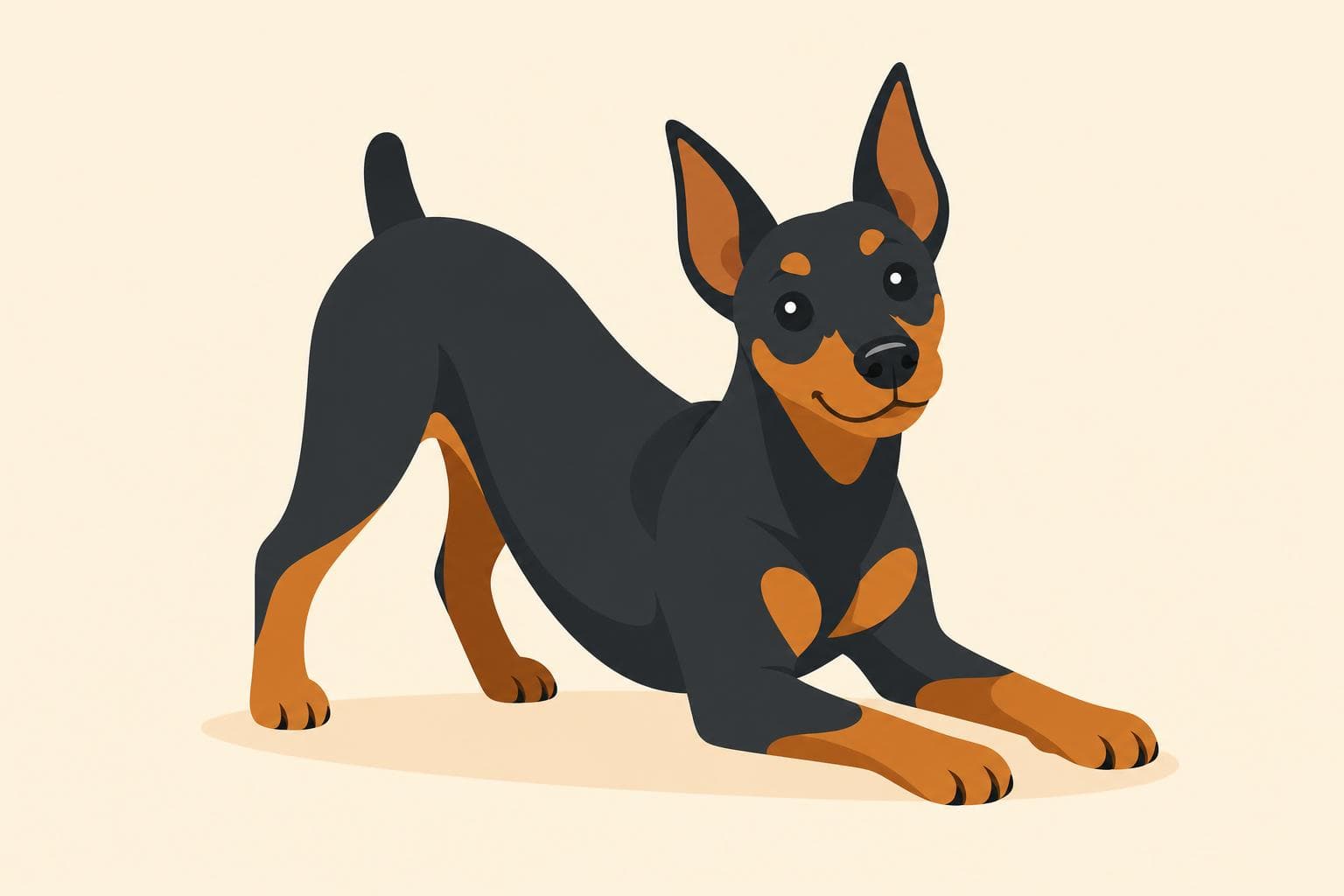
Behavior & traits
- devoted to family
- playful with older kids
- natural watchdog
- strong willed
- high prey drive
Health concerns
German Pinschers are generally a hardy, healthy breed, but families should be aware of potential issues like hip dysplasia, hereditary eye conditions such as cataracts, and von Willebrand's disease (a blood clotting disorder). Responsible breeders test for these conditions, so always ask for health clearances. Regular vet checkups and dental care help keep them thriving well into their senior years.
Responsible breeding and regular check-ups go a long way. Always ask breeders about health testing.
Feeding & nutrition
Feed a high-quality dog food appropriate for an active medium-sized breed, typically 1 to 2 cups per day split into two meals. Because they're energetic and lean by nature, portion control matters — measure meals rather than free-feeding. Always provide fresh water, especially after vigorous play or walks.
Exercise needs
German Pinschers need at least an hour of daily exercise, ideally a mix of brisk walks, off-leash play in a secure yard, and brain-engaging activities. Families can meet these needs with backyard fetch sessions, hikes, or even dog sports like agility, which this breed excels at. Without enough activity, they can become bored and channel that energy into mischief like digging or chewing.
Living with a German Pinscher
Living with a German Pinscher means having a clever, lively shadow who's always ready for the next adventure. They're affectionate cuddlers on the couch and tireless playmates in the yard, but they do best with older kids who understand how to interact respectfully — their bouncy energy can be overwhelming for toddlers. Expect a dog with opinions: they'll test boundaries, especially as adolescents, so consistent, positive training from day one pays off. Their short coat is wonderfully low-maintenance, but their high prey drive means securely fenced yards and leashed walks are non-negotiable, as squirrels and rabbits are irresistible. Families often say once you've lived with a German Pinscher, no other breed quite matches their loyal, larger-than-life personality.
Recommended products
A sturdy front-clip harness is essential for managing their pulling tendencies on walks, especially with a high-prey-drive breed that may lunge after squirrels. Invest in interactive puzzle toys and durable chew toys like Kongs to keep their busy minds engaged and prevent destructive boredom. A rubber curry brush makes weekly grooming a breeze for their short coat, and a long training lead is perfect for practicing recall in safe, open spaces. Finally, a cozy crate or dog bed gives them their own retreat after a day of family fun.
Reads for German Pinscher owners
![[header] Border Collie with puzzle toys](/_next/image?url=https%3A%2F%2Fimages.ctfassets.net%2Fq8y32akc6zms%2F7eTvC6qBF3gqDFvQSzcpXM%2Fa35b628bfd670bfc52bf4bcd532fc1b6%2Fheader.jpg&w=3840&q=75)
Engaging Activities for Border Collies: A How-To Guide
Is your Border Collie always on the lookout for something to do? Dive into engaging mental activities that will keep their sharp minds busy and entertained!
![[header] Senior dog resting on an orthopedic bed while a puppy waits](/_next/image?url=https%3A%2F%2Fimages.ctfassets.net%2Fq8y32akc6zms%2F4EwnObSBED8EN4IbvFJgaN%2Fc15a1446d531fd28d8e6854c46c3de7f%2Fheader.jpg&w=3840&q=75)
Before the Puppy Arrives: A Pre-Arrival Checklist for Your Senior Dog
Your calm senior dog has been quietly compensating for aches, stiffness, and fading senses for years — and a new puppy is about to expose all of it. This pre-arrival checklist walks you through the vet workup, pain baseline, and home setup to tackle in the weeks *before* pickup day, so your older dog isn't blindsided by the chaos.
![[header] Small dog wearing a soft mesh harness walking on a sunny pat](/_next/image?url=https%3A%2F%2Fimages.ctfassets.net%2Fq8y32akc6zms%2F3p03PzT9zANgbTC9dAOMJ2%2Ff95efe8539856e9489ef9bd4e861c4ba%2Fheader.jpg&w=3840&q=75)
Comfortable Harnesses for Small Dogs Prone to Tracheal Collapse
Is your small dog coughing from their collar? Discover harnesses designed for pups prone to tracheal collapse, offering protection and comfort with every walk.