Glen of Imaal Terrier
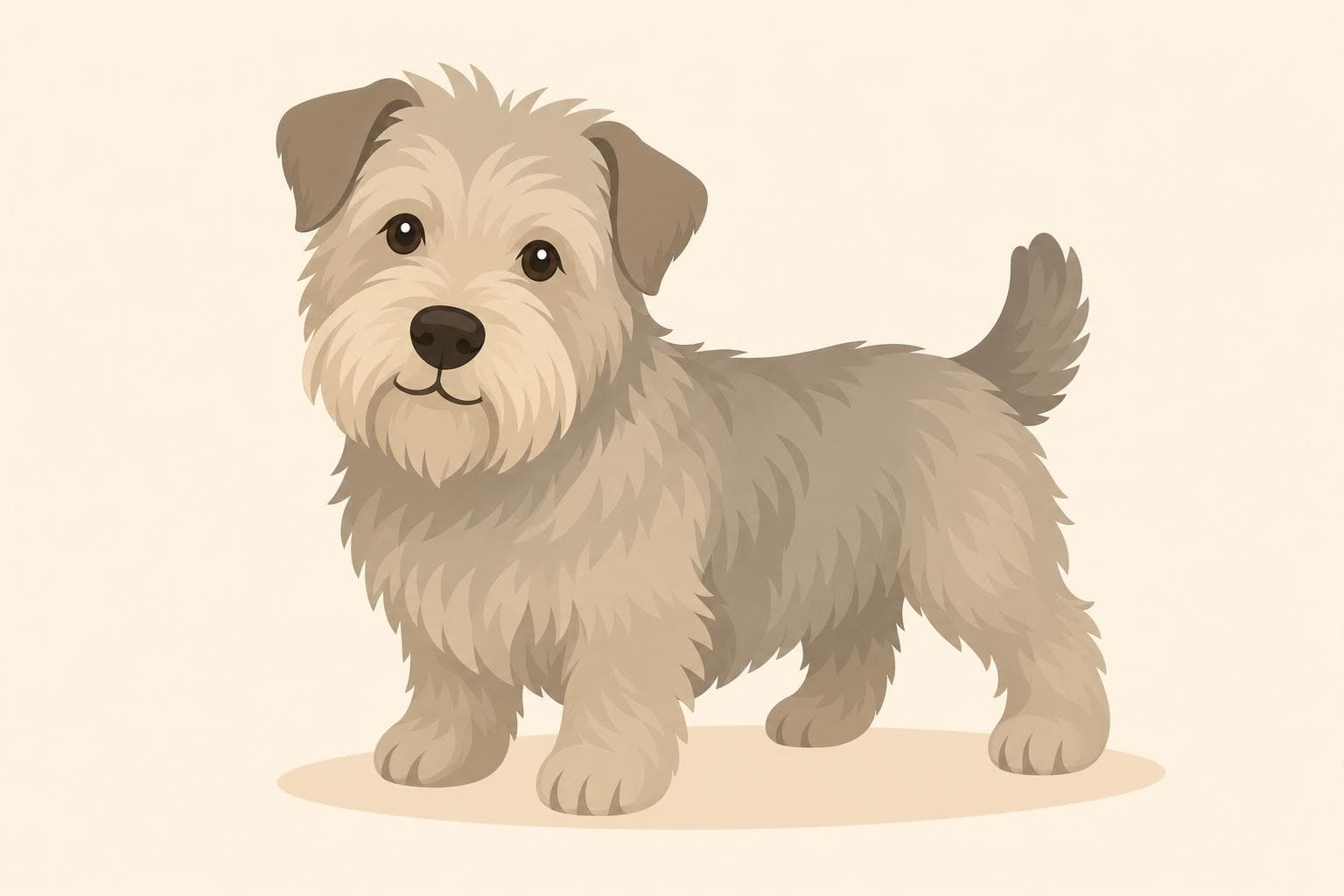
The Glen of Imaal Terrier is often called the 'gentleman' of the terrier world — feisty when needed, but notably calmer and quieter than most terrier cousins. At home, Glens are affectionate companions who love being near their people without demanding constant attention. They're courageous and sturdy, with a charming sense of humor that families quickly fall in love with.
Behavior & traits
- devoted to family
- calm indoors
- playful with kids
- quietly confident
- independent thinker
Health concerns
Glens are generally a hardy breed, but families should be aware of progressive retinal atrophy (PRA), which can affect vision, and occasional hip issues due to their long, low build. Responsible breeders test for these conditions, so always ask to see health clearances. Regular vet checkups and maintaining a healthy weight will help protect their joints and back.
Responsible breeding and regular check-ups go a long way. Always ask breeders about health testing.
Feeding & nutrition
A high-quality diet appropriate for medium-sized, moderately active dogs works well for Glens, typically split into two measured meals per day. Because of their stocky, low-slung build, it's important to avoid overfeeding — extra weight puts strain on their spine and joints. Watch the treats during training, and consider using part of their kibble as rewards.
Exercise needs
Glens need about 45–60 minutes of daily exercise, including brisk walks, backyard play, and some mental stimulation. They're surprisingly adaptable — happy to hike with active families on weekends and content with a steady neighborhood routine during the week. Puzzle toys and short training sessions help satisfy their clever, curious minds.
Living with a Glen of Imaal Terrier
Living with a Glen of Imaal Terrier is a delightful mix of cozy companionship and occasional terrier spunk. They tend to be calm and quiet in the house — much less yappy than other terriers — which makes them easier to live with in family settings or close-knit neighborhoods. Glens are wonderful with respectful children, often patient and playful, though like all dogs, interactions with younger kids should be supervised. Expect a dog who follows you from room to room, naps near your feet, and then surprises you with bursts of playful energy or a determined chase after a squirrel. Their stubborn streak means training takes patience and humor, but their loyalty and quirky personality make every day with a Glen feel like a small adventure.
Recommended products
A sturdy front-clip harness is a must for Glens, since their strong, low-built bodies can pull surprisingly hard on walks. Invest in a good slicker brush and stripping comb to manage their harsh double coat, plus nail clippers since their short legs don't wear nails down naturally. Durable chew toys and puzzle feeders help channel their terrier brain, and a supportive orthopedic bed protects their long back as they age. A non-tip stainless steel food bowl rounds out the essentials for this hearty, food-motivated breed.
Reads for Glen of Imaal Terrier owners
![[header] Border Collie with puzzle toys](/_next/image?url=https%3A%2F%2Fimages.ctfassets.net%2Fq8y32akc6zms%2F7eTvC6qBF3gqDFvQSzcpXM%2Fa35b628bfd670bfc52bf4bcd532fc1b6%2Fheader.jpg&w=3840&q=75)
Engaging Activities for Border Collies: A How-To Guide
Is your Border Collie always on the lookout for something to do? Dive into engaging mental activities that will keep their sharp minds busy and entertained!
![[header] Senior dog resting on an orthopedic bed while a puppy waits](/_next/image?url=https%3A%2F%2Fimages.ctfassets.net%2Fq8y32akc6zms%2F4EwnObSBED8EN4IbvFJgaN%2Fc15a1446d531fd28d8e6854c46c3de7f%2Fheader.jpg&w=3840&q=75)
Before the Puppy Arrives: A Pre-Arrival Checklist for Your Senior Dog
Your calm senior dog has been quietly compensating for aches, stiffness, and fading senses for years — and a new puppy is about to expose all of it. This pre-arrival checklist walks you through the vet workup, pain baseline, and home setup to tackle in the weeks *before* pickup day, so your older dog isn't blindsided by the chaos.
![[header] Small dog wearing a soft mesh harness walking on a sunny pat](/_next/image?url=https%3A%2F%2Fimages.ctfassets.net%2Fq8y32akc6zms%2F3p03PzT9zANgbTC9dAOMJ2%2Ff95efe8539856e9489ef9bd4e861c4ba%2Fheader.jpg&w=3840&q=75)
Comfortable Harnesses for Small Dogs Prone to Tracheal Collapse
Is your small dog coughing from their collar? Discover harnesses designed for pups prone to tracheal collapse, offering protection and comfort with every walk.