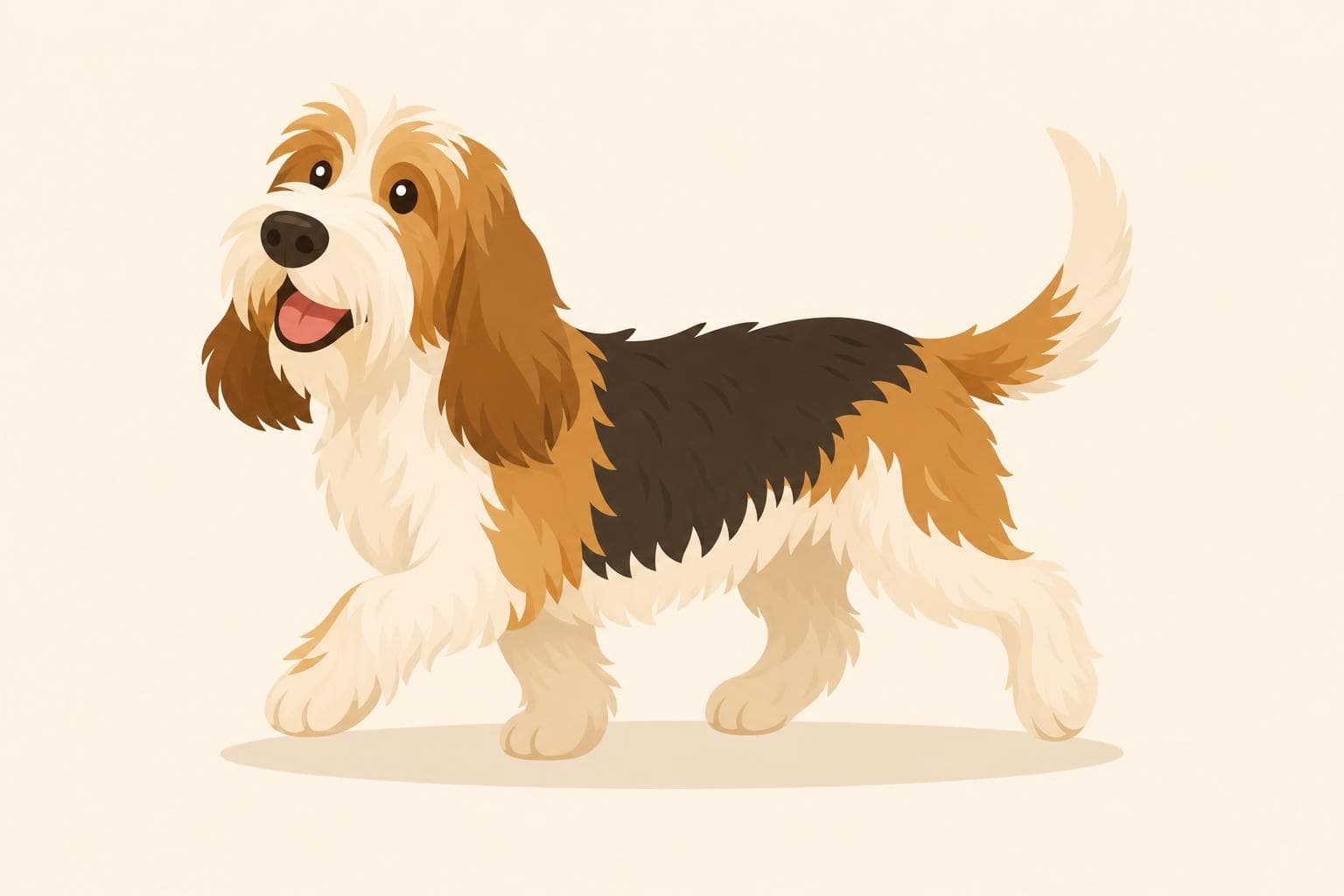
Grand Basset Griffon Vendeen
The Grand Basset Griffon Vendeen, often called the GBGV, is a cheerful and sociable French scenthound who thrives on being part of family life. They're affectionate without being clingy, playful without being hyper, and they tend to greet both family and visitors with a wagging tail. Bred to hunt in packs, they generally get along beautifully with children and other dogs, though their nose can lead them on impromptu adventures if they catch an interesting scent.
Behavior & traits
- sociable with kids
- scent driven
- playful
- vocal
- stubborn streak
Health concerns
The GBGV is generally a hardy breed, but families should watch for ear infections due to their long, floppy ears, as well as occasional hip dysplasia and eye issues like glaucoma. Like other long-backed hounds, they can be prone to back strain, so discourage jumping from high furniture. Routine vet checkups and a healthy weight go a long way toward keeping them feeling their best.
Responsible breeding and regular check-ups go a long way. Always ask breeders about health testing.
Feeding & nutrition
Feed a high-quality dog food formulated for medium, active breeds, typically 1.5 to 2.5 cups per day split into two meals. Because GBGVs love food and can be little counter-surfers, portion control is important to prevent weight gain that could stress their long backs. Always provide fresh water, especially after their energetic outdoor adventures.
Exercise needs
This is an active hound that needs at least an hour of vigorous exercise daily, including long walks, hikes, or play in a securely fenced yard. Families with kids who love to run and play outdoors will find a perfect partner in the GBGV. Mental stimulation through scent games and puzzle toys is just as important as physical activity to keep this clever hound content.
Living with a Grand Basset Griffon Vendeen
Living with a Grand Basset Griffon Vendeen means welcoming a joyful, slightly mischievous personality into your daily routine. Mornings often start with an enthusiastic greeting and a brisk walk where their nose leads the way — expect plenty of stops to investigate every scent. Around the house, they're laid-back and affectionate, happy to nap near the kids or follow family members from room to room. Their hound voice does come out when they're excited or spot a squirrel, so they're not the quietest companions, and a securely fenced yard is essential because once they're on a scent trail, recall can go right out the window. Families who embrace their quirky, independent spirit are rewarded with a loving, comical, and endlessly entertaining best friend.
Recommended products
A sturdy front-clip harness and a strong six-foot leash are must-haves for managing their scent-driven pulling on walks. Invest in a slicker brush and metal comb to maintain their rough, tousled double coat, plus gentle ear-cleaning solution to prevent infections in those long ears. Puzzle feeders and snuffle mats are fantastic for engaging their hunting instincts indoors, and a comfortable orthopedic bed will support their long back through years of family snuggles.
Reads for Grand Basset Griffon Vendeen owners
![[header] Border Collie with puzzle toys](/_next/image?url=https%3A%2F%2Fimages.ctfassets.net%2Fq8y32akc6zms%2F7eTvC6qBF3gqDFvQSzcpXM%2Fa35b628bfd670bfc52bf4bcd532fc1b6%2Fheader.jpg&w=3840&q=75)
Engaging Activities for Border Collies: A How-To Guide
Is your Border Collie always on the lookout for something to do? Dive into engaging mental activities that will keep their sharp minds busy and entertained!
![[header] Senior dog resting on an orthopedic bed while a puppy waits](/_next/image?url=https%3A%2F%2Fimages.ctfassets.net%2Fq8y32akc6zms%2F4EwnObSBED8EN4IbvFJgaN%2Fc15a1446d531fd28d8e6854c46c3de7f%2Fheader.jpg&w=3840&q=75)
Before the Puppy Arrives: A Pre-Arrival Checklist for Your Senior Dog
Your calm senior dog has been quietly compensating for aches, stiffness, and fading senses for years — and a new puppy is about to expose all of it. This pre-arrival checklist walks you through the vet workup, pain baseline, and home setup to tackle in the weeks *before* pickup day, so your older dog isn't blindsided by the chaos.
![[header] Small dog wearing a soft mesh harness walking on a sunny pat](/_next/image?url=https%3A%2F%2Fimages.ctfassets.net%2Fq8y32akc6zms%2F3p03PzT9zANgbTC9dAOMJ2%2Ff95efe8539856e9489ef9bd4e861c4ba%2Fheader.jpg&w=3840&q=75)
Comfortable Harnesses for Small Dogs Prone to Tracheal Collapse
Is your small dog coughing from their collar? Discover harnesses designed for pups prone to tracheal collapse, offering protection and comfort with every walk.