Great Dane
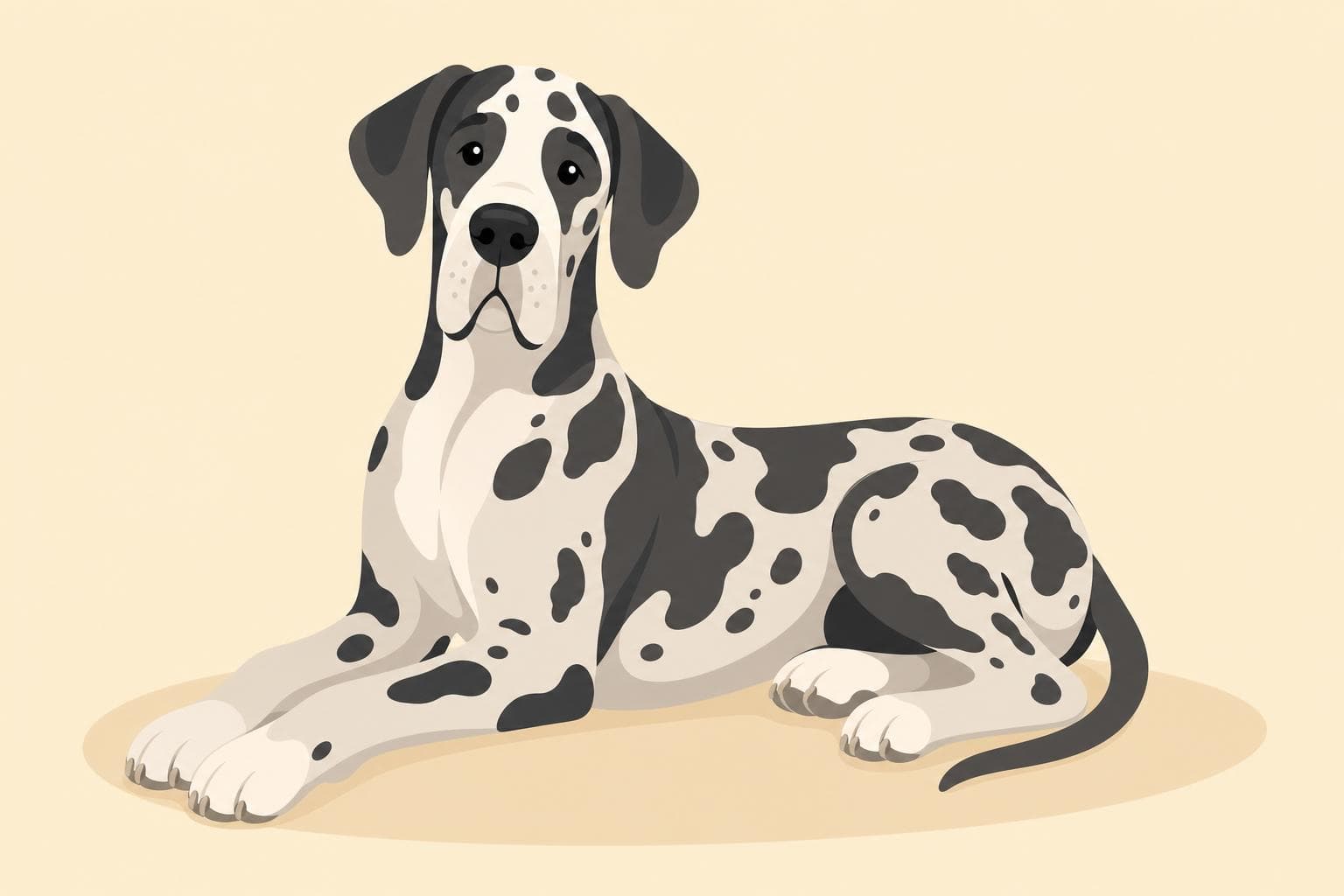
Great Danes are famously known as 'gentle giants,' and the nickname truly fits. Despite their enormous size, they're sweet-natured, deeply affectionate, and tend to bond closely with every member of the family. They're surprisingly mellow at home, often happiest lounging at your feet (or trying to climb into your lap), and they thrive on being included in everyday family life.
Behavior & traits
- gentle with kids
- affectionate
- people oriented
- calm indoors
- social
Health concerns
Great Danes are prone to bloat (gastric dilatation-volvulus), which is a serious emergency, so families should learn the warning signs and feed smaller meals throughout the day. They're also susceptible to hip dysplasia, heart conditions like dilated cardiomyopathy, and certain cancers. Regular vet checkups and a relationship with a vet experienced in giant breeds are essential.
Responsible breeding and regular check-ups go a long way. Always ask breeders about health testing.
Feeding & nutrition
Great Danes need a high-quality large-breed formula, especially as puppies, since controlled growth helps prevent joint and bone issues. Adults typically eat 6–10 cups of food daily, split into two or three meals to reduce bloat risk. Avoid vigorous exercise right before or after eating, and consider using a slow-feeder bowl.
Exercise needs
Despite their size, Great Danes have moderate exercise needs — usually two solid walks a day plus some playtime in a yard. Puppies and young Danes should avoid high-impact activities like jumping or long runs until their joints fully develop, typically around 18–24 months. Mental stimulation and family interaction matter just as much as physical activity.
Living with a Great Dane
Living with a Great Dane means embracing life on a bigger scale — bigger food bills, bigger beds, and yes, bigger drool puddles. They're remarkably gentle with children and often act like a giant nanny, but families do need to supervise around toddlers because a happy tail or accidental bump can knock little ones over. Danes are total Velcro dogs who follow you from room to room, lean against you for affection, and genuinely believe they're lap dogs. Indoors they're surprisingly calm and quiet, often sprawled across the couch like a furry rug, which charms most visitors immediately. The hardest part for most families is their shorter lifespan — these dogs pack a lifetime of love into fewer years, and every day with them feels precious.
Recommended products
An elevated feeder and a slow-feed bowl help reduce bloat risk and make mealtimes more comfortable for their tall frame. Invest in an extra-large orthopedic dog bed to protect their joints, plus a sturdy no-pull harness and a strong leash since even a well-trained Dane can outweigh many adults. A rubber curry brush handles their short coat and shedding easily, and keep plenty of drool rags around the house — trust us, you'll need them.
Reads for Great Dane owners
![[header] A Great Dane in a kitchen looking at a food bowl.](/_next/image?url=https%3A%2F%2Fimages.ctfassets.net%2Fq8y32akc6zms%2F6vYL2Dzo0oHyYlf1LDVsqZ%2Fe316889ec0f8179adc40913f4ff48607%2Fheader.jpg&w=3840&q=75)
Understanding the Unique Dietary Needs of a Great Dane
Feeding a Great Dane involves more than just filling a big bowl! Discover the nuances of their dietary needs to support their size and maintain joint health.
![[header] Border Collie with puzzle toys](/_next/image?url=https%3A%2F%2Fimages.ctfassets.net%2Fq8y32akc6zms%2F7eTvC6qBF3gqDFvQSzcpXM%2Fa35b628bfd670bfc52bf4bcd532fc1b6%2Fheader.jpg&w=3840&q=75)
Engaging Activities for Border Collies: A How-To Guide
Is your Border Collie always on the lookout for something to do? Dive into engaging mental activities that will keep their sharp minds busy and entertained!
![[header] Senior dog resting on an orthopedic bed while a puppy waits](/_next/image?url=https%3A%2F%2Fimages.ctfassets.net%2Fq8y32akc6zms%2F4EwnObSBED8EN4IbvFJgaN%2Fc15a1446d531fd28d8e6854c46c3de7f%2Fheader.jpg&w=3840&q=75)
Before the Puppy Arrives: A Pre-Arrival Checklist for Your Senior Dog
Your calm senior dog has been quietly compensating for aches, stiffness, and fading senses for years — and a new puppy is about to expose all of it. This pre-arrival checklist walks you through the vet workup, pain baseline, and home setup to tackle in the weeks *before* pickup day, so your older dog isn't blindsided by the chaos.