Greyhound
Despite their racing reputation, Greyhounds are famously calm, sweet-natured couch potatoes who adore their people. They tend to be soft-spoken and easygoing at home, often forming gentle, devoted bonds with every member of the family. With children, they're typically patient and tolerant, though their sensitive nature means they do best in homes where kids understand how to interact respectfully. Many Greyhounds are a little reserved with strangers at first but warm up quickly once they feel safe.
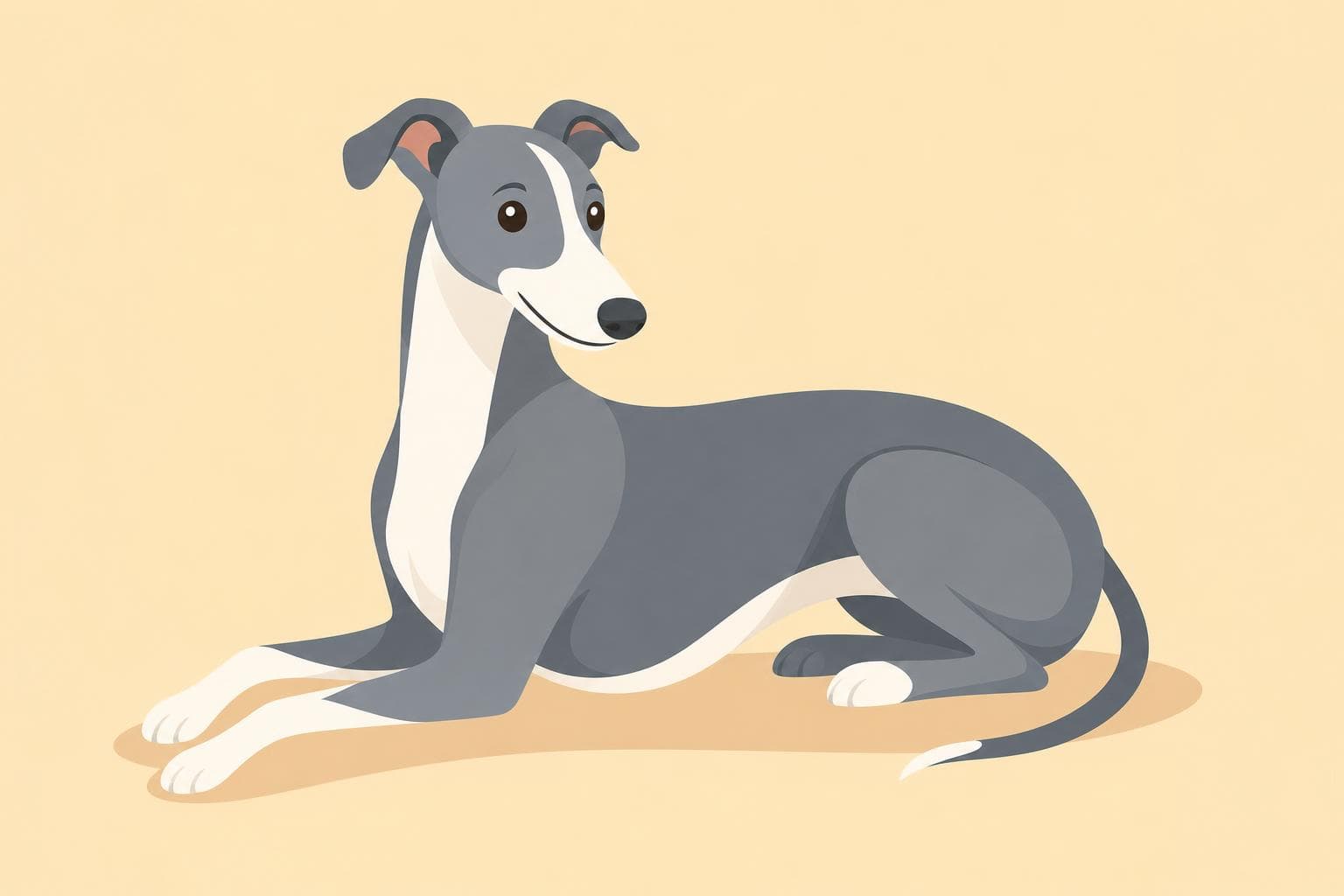
Behavior & traits
- gentle with kids
- quiet indoors
- affectionate
- sensitive
- couch loving
Health concerns
Greyhounds are generally healthy but can be prone to bloat (gastric torsion), so families should learn the warning signs and feed smaller meals. They're also sensitive to anesthesia due to their unique metabolism, and their thin skin and lean build make them prone to nicks, scrapes, and cold weather. Dental care is important too, as the breed is known for needing extra attention to teeth.
Responsible breeding and regular check-ups go a long way. Always ask breeders about health testing.
Feeding & nutrition
A high-quality diet appropriate for large breeds works well, typically split into two meals a day to help reduce the risk of bloat. Because Greyhounds are lean and athletic by nature, families shouldn't be alarmed if ribs are slightly visible — that's normal for the breed. Avoid heavy exercise right before or after meals.
Exercise needs
Greyhounds need a couple of short daily walks and the occasional chance to stretch their legs in a securely fenced area for a good sprint. Despite their speed, they're sprinters, not marathoners, and are happy lounging for most of the day. A fenced yard is ideal, since their prey drive and incredible speed make off-leash play in open areas risky.
Living with a Greyhound
Living with a Greyhound is often a delightful surprise for families who expect a high-energy dog and instead get a gentle, lounging companion who treats the couch like a throne. Their daily rhythm tends to be a quick burst of zoomies followed by hours of blissful napping, often in funny upside-down positions called 'roaching.' They're quiet houseguests who rarely bark, which makes them well-suited to apartments and homes with neighbors close by. Families should be mindful of their strong prey drive around small pets and their need for soft bedding, since their thin skin and bony frames don't tolerate hard floors well. Overall, they're affectionate shadows who follow their people from room to room and bring a calm, sweet presence to the household.
Recommended products
A thick, orthopedic dog bed is essential, since Greyhounds have little body fat and need cushioning for their joints and elbows. A martingale collar is a must — their slim heads can slip out of standard collars — paired with a padded harness for walks. Cozy sweaters or coats help with cold weather, and a soft rubber curry brush handles their minimal shedding easily. Puzzle feeders and slow-feed bowls are smart additions to help reduce the risk of bloat at mealtimes.
Reads for Greyhound owners
![[header] A calm owner kneeling to gently greet a shy dog in a warm, c](/_next/image?url=https%3A%2F%2Fimages.ctfassets.net%2Fq8y32akc6zms%2F7pRiv1OyOYMEgI5bKgN03p%2Fe1c80b50be7e816be10966146bbe742d%2Fheader.jpg&w=3840&q=75)
The Devoted Nurturer: The Owner Archetype Where Sensitive Dogs Bloom
Some owners are the reason a nervous rescue finally exhales. If your assessment came back as The Devoted Nurturer, this is you — patient, routine-driven, and quietly exceptional with sensitive dogs. Here's what that says about how you show up, the one habit worth watching, and the dog personalities that fit you best.
![[header] A brindle retired racing Greyhound curled on a thick dog bed](/_next/image?url=https%3A%2F%2Fimages.ctfassets.net%2Fq8y32akc6zms%2F17Dk3myQhxbg0Pyzti1Cdv%2F5a8741306d05ba2ddff0d69404125369%2Fheader.jpg&w=3840&q=75)
Adopting a Retired Racing Greyhound: What the First 90 Days Really Look Like
Yes, retired racing Greyhounds are famously gentle 45-mph couch potatoes. They're also adult athletes who have often never climbed a stair, seen a sliding glass door, or spent a night alone in a quiet house. Here's what the first 90 days actually look like — and why a tall martingale collar and a raised feeder aren't accessories, they're welfare basics.
![[header] Border Collie with puzzle toys](/_next/image?url=https%3A%2F%2Fimages.ctfassets.net%2Fq8y32akc6zms%2F7eTvC6qBF3gqDFvQSzcpXM%2Fa35b628bfd670bfc52bf4bcd532fc1b6%2Fheader.jpg&w=3840&q=75)
Engaging Activities for Border Collies: A How-To Guide
Is your Border Collie always on the lookout for something to do? Dive into engaging mental activities that will keep their sharp minds busy and entertained!