Havanese
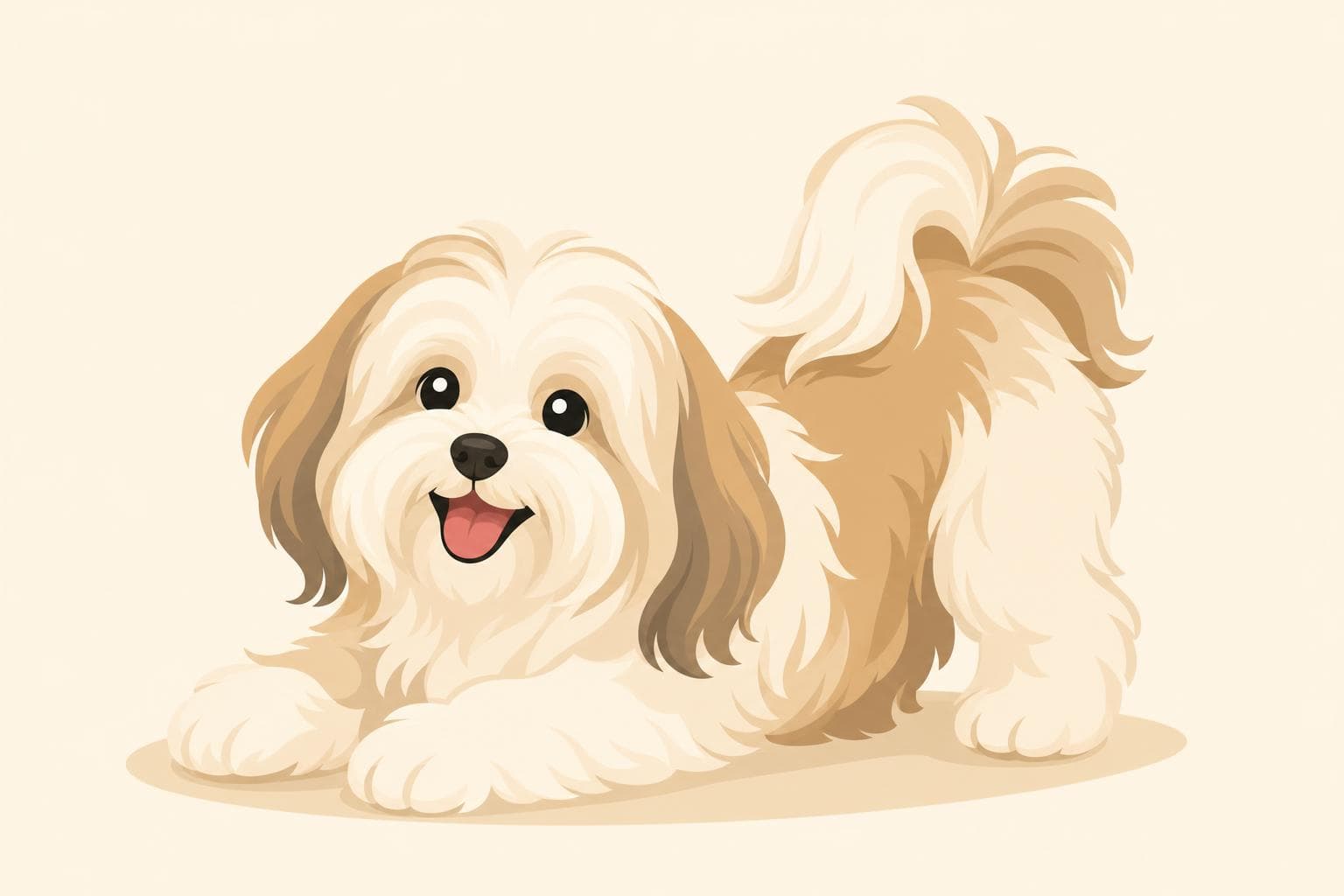
Havanese are often called 'velcro dogs' because they want to be wherever their people are — which makes them wonderful family companions. They're cheerful little extroverts who thrive on attention and love to entertain, often pulling out goofy antics to make the family laugh. Gentle by nature, they tend to be patient with respectful children and friendly with strangers, other dogs, and household pets.
Behavior & traits
- velcro dog
- gentle with kids
- eager to please
- people loving
- playful clown
Health concerns
Havanese are generally healthy and long-lived, but families should watch for patellar luxation (slipping kneecaps), hip dysplasia, and certain eye conditions like cataracts and progressive retinal atrophy. They can also be prone to dental issues common in small breeds, so routine tooth brushing is important. Regular vet checkups and a reputable breeder can help minimize most concerns.
Responsible breeding and regular check-ups go a long way. Always ask breeders about health testing.
Feeding & nutrition
A high-quality small-breed dog food, measured into two meals per day, works well for most Havanese. Because they're little and love treats, it's easy to overfeed them — keeping an eye on portions and limiting table scraps helps prevent weight gain. Fresh water and the occasional dental chew round out a healthy routine.
Exercise needs
Havanese need moderate daily exercise — about 20–30 minutes of walking plus some playtime is usually enough to keep them happy. They love backyard fetch, indoor games, and short adventures with the family, making them easy to exercise even in apartments or on busy days. Mental stimulation through puzzle toys or trick training is just as important as physical activity.
Living with a Havanese
Living with a Havanese means rarely being alone — they'll follow you from the kitchen to the couch to the bathroom, always wanting to be part of the action. They're surprisingly adaptable, equally happy in a downtown apartment or a suburban home with kids running through the yard. Expect daily brushing sessions (their silky coat mats easily) and regular trips to the groomer, but also expect a lot of laughter — Havanese are natural comedians who love to perform. They tend to be vocal when someone comes to the door but aren't typically yappy, and they're usually quick to make friends with visitors. Families often say their Havanese becomes the heart of the household, tuned in to everyone's moods and always ready for a cuddle.
Recommended products
A good slicker brush and metal comb are non-negotiable for managing the Havanese's long, silky coat and preventing painful mats. A well-fitted step-in harness is gentler on their small frames than a collar for walks, and a soft, washable bed in a central spot of the home suits their need to be near family. Round things out with puzzle toys for mental stimulation, a quality dental chew routine, and tear-stain wipes to keep their expressive little faces clean.
Reads for Havanese owners
![[header] A friendly, relaxed dog sitting on a grassy hill, representi](/_next/image?url=https%3A%2F%2Fimages.ctfassets.net%2Fq8y32akc6zms%2FJ9sBqGl2JtWQn9LX2JCBf%2Fc459e0ddc8d3679a4109e20156422b93%2Fheader.jpg&w=3840&q=75)
The Best Friend: The Dog Who Fits Almost Anywhere
Meet The Best Friend — the well-rounded, go-anywhere dog with no real extremes. Friendly, adaptable, and quietly tuned into their person, this is the classic good egg of the dog world. Here's what life with one actually looks like, and the owners they click with best.
The One-of-a-Kind: The Dog Who Doesn't Fit Any Single Profile
Your dog didn't fit any single profile — and that's the whole point. The One-of-a-Kind is the archetype for dogs whose traits blend in their own original way, and it comes with a specific challenge: it's easy to under-serve a dog who never quite complains. Here's what balanced really looks like, and how to build a life around the dog in front of you.
![[header] Illustration of a gentle spaniel resting quietly on a cushio](/_next/image?url=https%3A%2F%2Fimages.ctfassets.net%2Fq8y32akc6zms%2F5kVBa0L2dkGu7vvUX3JWxr%2Fa86fffc2f81e9719929c4f2a46899ac2%2Fheader.jpg&w=3840&q=75)
The Gentle Soul: A Dog Archetype for the Sensitive, Loyal, Slow-to-Warm Companion
Some dogs walk into a room ready to party. Others study it first — noticing every sound, every new face, every shift in your mood — before deciding it's safe to join. If that's your dog, meet The Gentle Soul: sensitive, quietly loyal, and at their very best in a calm, predictable home.