Irish Terrier
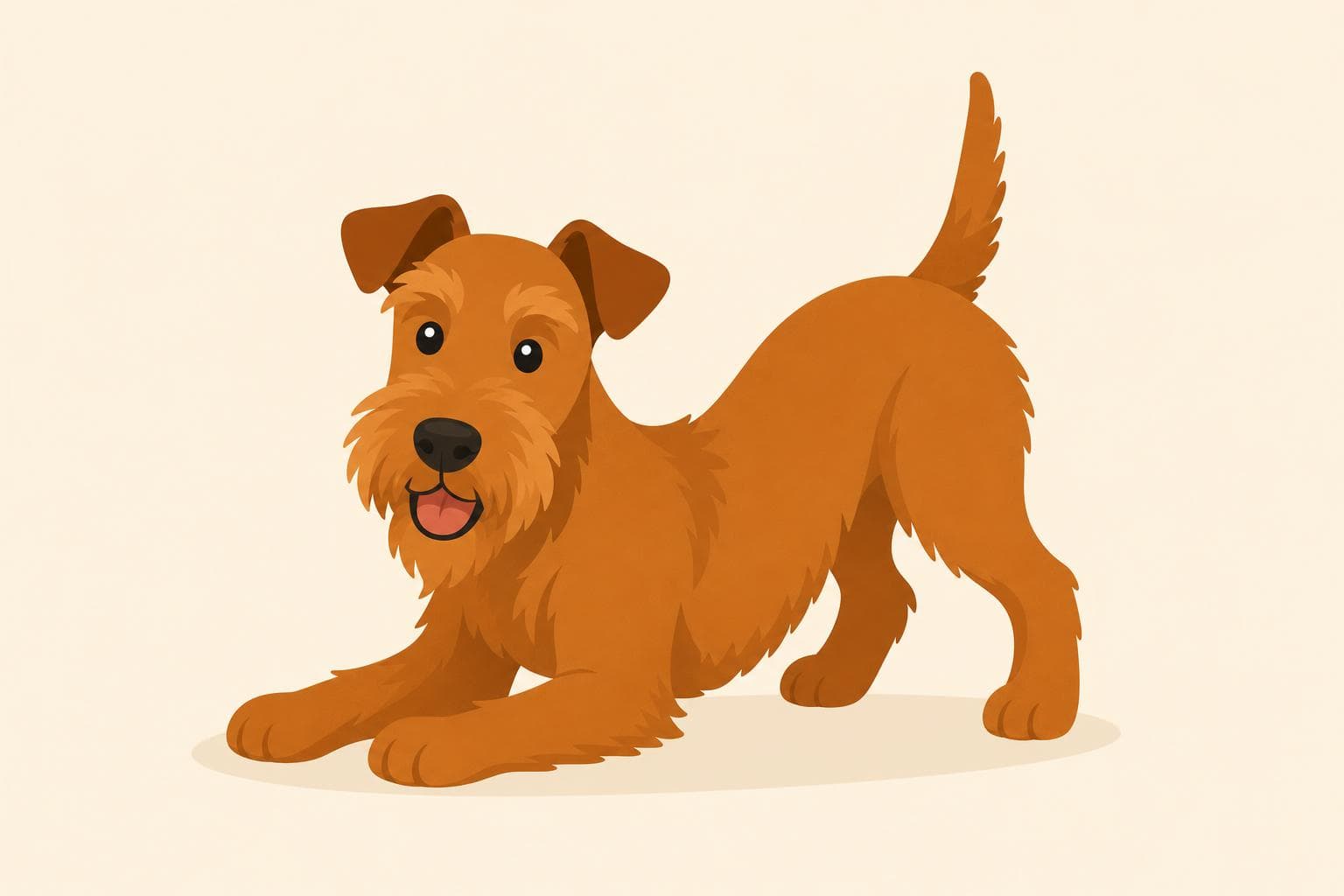
Often called the 'Daredevil' of the terrier world, the Irish Terrier is a bold, fiery little companion with a heart full of love for its people. At home, they're surprisingly affectionate and tuned in to family moods, often shadowing their favorite humans from room to room. They're playful and spirited with children they've grown up with, but their terrier confidence means they need clear boundaries and early socialization to thrive in a busy household.
Behavior & traits
- devoted to family
- playful with kids
- alert watchdog
- feisty with other dogs
- high prey drive
Health concerns
Irish Terriers are generally one of the healthiest terrier breeds, often living well into their teens with few major issues. Families should still watch for hyperkeratosis (a hereditary footpad condition), urinary stones, and occasional hypothyroidism. Routine vet checkups and a reputable breeder go a long way toward catching anything early.
Responsible breeding and regular check-ups go a long way. Always ask breeders about health testing.
Feeding & nutrition
A high-quality diet formulated for active medium breeds works well, typically split into two meals of about 1.5 to 1.75 cups of dry food per day. Because they're naturally lean and athletic, families should measure portions carefully and avoid overdoing treats, especially during training sessions. Fresh water and the occasional dental chew help round out their nutrition.
Exercise needs
Irish Terriers need at least an hour of vigorous exercise daily — think brisk walks, jogging, fetch, or hiking adventures with the family. They thrive when given a job, so puzzle toys, agility, or earthdog activities are wonderful outlets. Without enough activity, that famous terrier energy can turn into digging, barking, or backyard mischief.
Living with a Irish Terrier
Living with an Irish Terrier means sharing your home with a bold, loving little personality who acts much bigger than they are. Mornings usually start with enthusiastic greetings and a brisk walk, after which they happily settle in as the family's velcro shadow — though always with one ear cocked for visitors at the door. Families are often surprised by how deeply they bond, how tuned-in they are to kids' emotions, and how stubbornly independent they can be when something interesting catches their eye (like a squirrel). They tend to be scrappy with unfamiliar dogs, so leash manners and early socialization matter, but inside the home they're cuddly, comic, and endlessly entertaining. Expect a dog with strong opinions, a wiry red coat that barely sheds, and a personality that quickly becomes the heartbeat of the household.
Recommended products
A sturdy front-clip harness is essential for managing their pull and terrier enthusiasm on walks, paired with a strong 6-foot leash for training. For grooming, families should invest in a stripping knife or comb to maintain that signature wiry red coat, plus a slicker brush for weekly upkeep. Durable rubber chew toys and interactive puzzle feeders help channel their busy brains, and a secure, fenced yard or long-line for backyard play is a must given their high prey drive.
Reads for Irish Terrier owners
![[header] Border Collie with puzzle toys](/_next/image?url=https%3A%2F%2Fimages.ctfassets.net%2Fq8y32akc6zms%2F7eTvC6qBF3gqDFvQSzcpXM%2Fa35b628bfd670bfc52bf4bcd532fc1b6%2Fheader.jpg&w=3840&q=75)
Engaging Activities for Border Collies: A How-To Guide
Is your Border Collie always on the lookout for something to do? Dive into engaging mental activities that will keep their sharp minds busy and entertained!
![[header] Senior dog resting on an orthopedic bed while a puppy waits](/_next/image?url=https%3A%2F%2Fimages.ctfassets.net%2Fq8y32akc6zms%2F4EwnObSBED8EN4IbvFJgaN%2Fc15a1446d531fd28d8e6854c46c3de7f%2Fheader.jpg&w=3840&q=75)
Before the Puppy Arrives: A Pre-Arrival Checklist for Your Senior Dog
Your calm senior dog has been quietly compensating for aches, stiffness, and fading senses for years — and a new puppy is about to expose all of it. This pre-arrival checklist walks you through the vet workup, pain baseline, and home setup to tackle in the weeks *before* pickup day, so your older dog isn't blindsided by the chaos.
![[header] Small dog wearing a soft mesh harness walking on a sunny pat](/_next/image?url=https%3A%2F%2Fimages.ctfassets.net%2Fq8y32akc6zms%2F3p03PzT9zANgbTC9dAOMJ2%2Ff95efe8539856e9489ef9bd4e861c4ba%2Fheader.jpg&w=3840&q=75)
Comfortable Harnesses for Small Dogs Prone to Tracheal Collapse
Is your small dog coughing from their collar? Discover harnesses designed for pups prone to tracheal collapse, offering protection and comfort with every walk.