Italian Greyhound
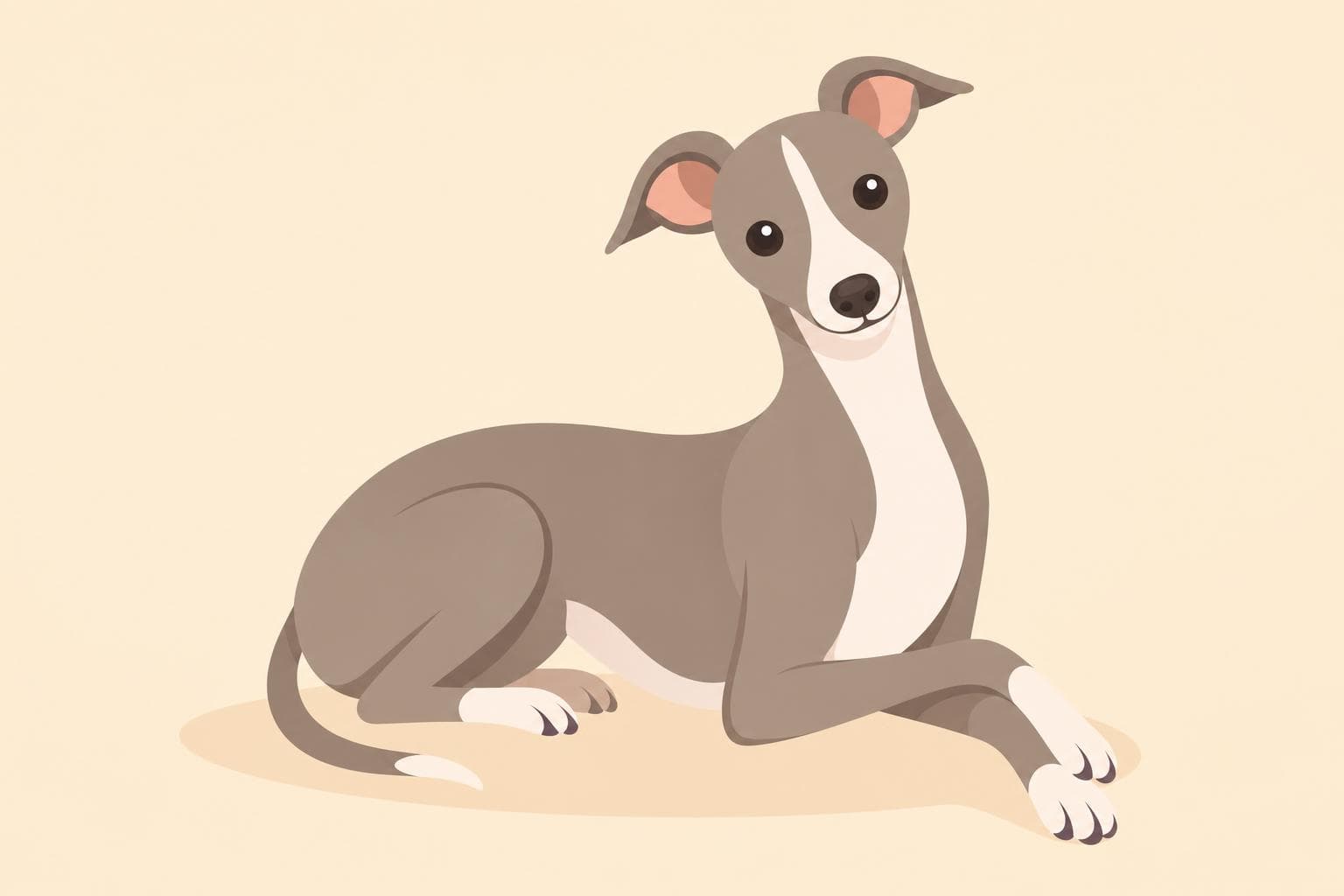
Italian Greyhounds are loving little shadows who bond deeply with their people and prefer to be wherever the family is. They have a charming split personality — wild zoomies one minute, snuggled deep under a blanket the next. While sweet-natured and gentle, they're also sensitive souls who do best in calm households where voices stay soft and routines feel predictable.
Behavior & traits
- affectionate cuddler
- gentle with older kids
- playful sprinter
- sensitive to tone
- alert but not yappy
Health concerns
Italian Greyhounds are generally healthy but have fragile, thin-boned legs that can break from jumping off furniture or rough play, so families need to be cautious. They're also prone to dental disease, so regular tooth brushing is a must, and some can experience seizures, patellar luxation, or eye conditions like progressive retinal atrophy. Their thin coats and low body fat make them sensitive to cold weather.
Responsible breeding and regular check-ups go a long way. Always ask breeders about health testing.
Feeding & nutrition
A high-quality small-breed kibble or balanced fresh diet works well, typically split into two measured meals per day. Because they're slender by nature, families shouldn't panic at their lean frame — but watch portions carefully since extra weight strains their delicate joints. Dental-friendly food or chews help offset their tendency toward tartar buildup.
Exercise needs
Despite their couch-potato reputation, Italian Greyhounds need daily walks plus a safe space to run full-speed — they're sighthounds and love to sprint. A securely fenced yard or regular trips to enclosed dog parks helps burn that energy, after which they'll happily nap for hours. Families with active kids often find IGs make great walking buddies and backyard playmates.
Living with a Italian Greyhound
Living with an Italian Greyhound means living with a velcro dog who will follow you from room to room and burrow under every blanket they can find. They're best suited to families with older, gentler children, since their delicate bones can be injured by toddler tumbles or rough handling. Expect daily zoomies — sudden bursts of breathtaking speed around the living room — followed by long stretches of cozy lap time. House-training can take patience, and they truly dislike cold or rainy weather, so sweaters, coats, and indoor potty options are part of daily life. In return, you get a devoted, quirky companion who's quiet, clean, and endlessly affectionate.
Recommended products
A well-padded step or ramp for the couch and bed is essential to protect their fragile legs from jumping injuries. Stock up on lightweight sweaters and a warm winter coat, plus a soft Y-shaped harness (never a collar-only setup) for walks since their slender necks are delicate. Plush orthopedic beds with blankets for burrowing, a small-breed dental care kit, and lure-style toys that satisfy their sighthound chase instinct round out the must-haves.
Reads for Italian Greyhound owners
![[header] Illustration of a gentle spaniel resting quietly on a cushio](/_next/image?url=https%3A%2F%2Fimages.ctfassets.net%2Fq8y32akc6zms%2F5kVBa0L2dkGu7vvUX3JWxr%2Fa86fffc2f81e9719929c4f2a46899ac2%2Fheader.jpg&w=3840&q=75)
The Gentle Soul: A Dog Archetype for the Sensitive, Loyal, Slow-to-Warm Companion
Some dogs walk into a room ready to party. Others study it first — noticing every sound, every new face, every shift in your mood — before deciding it's safe to join. If that's your dog, meet The Gentle Soul: sensitive, quietly loyal, and at their very best in a calm, predictable home.
![[header] A calm owner kneeling to gently greet a shy dog in a warm, c](/_next/image?url=https%3A%2F%2Fimages.ctfassets.net%2Fq8y32akc6zms%2F7pRiv1OyOYMEgI5bKgN03p%2Fe1c80b50be7e816be10966146bbe742d%2Fheader.jpg&w=3840&q=75)
The Devoted Nurturer: The Owner Archetype Where Sensitive Dogs Bloom
Some owners are the reason a nervous rescue finally exhales. If your assessment came back as The Devoted Nurturer, this is you — patient, routine-driven, and quietly exceptional with sensitive dogs. Here's what that says about how you show up, the one habit worth watching, and the dog personalities that fit you best.
![[header] Border Collie with puzzle toys](/_next/image?url=https%3A%2F%2Fimages.ctfassets.net%2Fq8y32akc6zms%2F7eTvC6qBF3gqDFvQSzcpXM%2Fa35b628bfd670bfc52bf4bcd532fc1b6%2Fheader.jpg&w=3840&q=75)
Engaging Activities for Border Collies: A How-To Guide
Is your Border Collie always on the lookout for something to do? Dive into engaging mental activities that will keep their sharp minds busy and entertained!