Keeshond
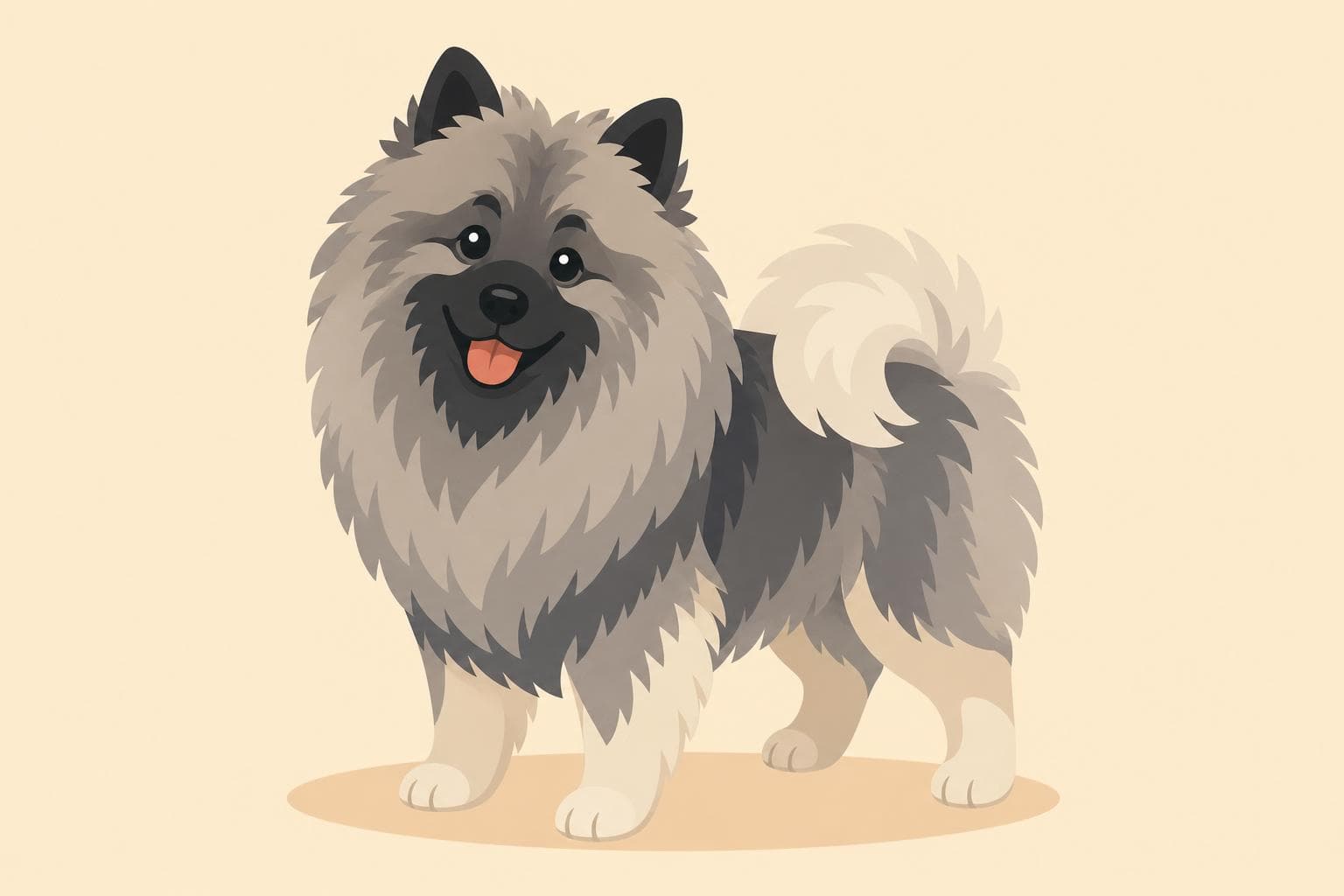
Keeshonden are often called the 'Smiling Dutchman' for good reason — they're bright, beaming dogs who genuinely thrive on being part of the family. They form deep bonds with their people and don't do well when left out of the action, preferring to be wherever the household is gathered. Naturally friendly and gentle, they tend to be wonderful playmates for kids and easygoing with visitors, though their alert nature means they'll happily announce every doorbell, delivery, and squirrel.
Behavior & traits
- devoted companion
- great with kids
- vocal watchdog
- social butterfly
- people oriented
Health concerns
Keeshonden are generally a hardy, long-lived breed, but families should be aware of hip dysplasia, luxating patellas, and a hereditary condition called primary hyperparathyroidism that can be screened for in breeding lines. Eye issues like cataracts and some thyroid problems can also appear. Choosing a reputable breeder who health-tests parents goes a long way toward a healthy lifelong companion.
Responsible breeding and regular check-ups go a long way. Always ask breeders about health testing.
Feeding & nutrition
A high-quality dog food appropriate for medium breeds typically suits a Keeshond well, with portions usually around 1.5 to 2 cups per day split into two meals. Because they can be prone to weight gain — especially since their fluffy coat can hide extra pounds — it's important to measure meals and go easy on treats. Fresh water and a consistent routine help keep their digestion happy.
Exercise needs
Keeshonden have moderate energy and are happy with about 45–60 minutes of activity per day, including walks, backyard play, and mental enrichment. They love family hikes, fetch in the yard, and games that involve their people, but they're equally content to nap by your feet afterward. Puzzle toys and basic training sessions help satisfy their sharp minds.
Living with a Keeshond
Living with a Keeshond is a bit like having a furry shadow with a permanent smile — they want to be involved in everything, from morning coffee to bedtime stories. Expect lots of cheerful chatter; Keeshonden are talkers and will 'woo' or chirp to share their opinions, which most families find utterly charming. The coat is a real commitment: they 'blow' their undercoat once or twice a year, and tumbleweeds of fluff will drift across your floors during those weeks. On the upside, they're remarkably clean dogs with little doggy odor, they adapt beautifully to family schedules, and they're gentle and patient with children, often becoming a child's most devoted buddy. They don't like being left alone for long stretches, so they fit best in homes where someone is around most of the day.
Recommended products
A sturdy slicker brush and an undercoat rake are non-negotiable for managing that gorgeous double coat — plan to brush a few times a week and daily during shedding season. A front-clip harness makes walks comfortable for both dog and kids learning to handle the leash, and puzzle feeders or treat-dispensing toys help channel their clever minds. A cooling mat is also a smart buy, since their thick coat means they appreciate a cool spot during warm months.
Reads for Keeshond owners
![[header] Border Collie with puzzle toys](/_next/image?url=https%3A%2F%2Fimages.ctfassets.net%2Fq8y32akc6zms%2F7eTvC6qBF3gqDFvQSzcpXM%2Fa35b628bfd670bfc52bf4bcd532fc1b6%2Fheader.jpg&w=3840&q=75)
Engaging Activities for Border Collies: A How-To Guide
Is your Border Collie always on the lookout for something to do? Dive into engaging mental activities that will keep their sharp minds busy and entertained!
![[header] Senior dog resting on an orthopedic bed while a puppy waits](/_next/image?url=https%3A%2F%2Fimages.ctfassets.net%2Fq8y32akc6zms%2F4EwnObSBED8EN4IbvFJgaN%2Fc15a1446d531fd28d8e6854c46c3de7f%2Fheader.jpg&w=3840&q=75)
Before the Puppy Arrives: A Pre-Arrival Checklist for Your Senior Dog
Your calm senior dog has been quietly compensating for aches, stiffness, and fading senses for years — and a new puppy is about to expose all of it. This pre-arrival checklist walks you through the vet workup, pain baseline, and home setup to tackle in the weeks *before* pickup day, so your older dog isn't blindsided by the chaos.
![[header] Small dog wearing a soft mesh harness walking on a sunny pat](/_next/image?url=https%3A%2F%2Fimages.ctfassets.net%2Fq8y32akc6zms%2F3p03PzT9zANgbTC9dAOMJ2%2Ff95efe8539856e9489ef9bd4e861c4ba%2Fheader.jpg&w=3840&q=75)
Comfortable Harnesses for Small Dogs Prone to Tracheal Collapse
Is your small dog coughing from their collar? Discover harnesses designed for pups prone to tracheal collapse, offering protection and comfort with every walk.