Kerry Blue Terrier
Kerry Blue Terriers are spirited, big-hearted dogs that thrive on being part of the family. They're affectionate and goofy with their people, often forming especially strong bonds with the kids in the household, but they carry that classic terrier confidence that means they're not pushovers. Expect a dog who's playful one minute and on guard duty the next, always tuned in to what's happening at home. With proper socialization, they're warm and welcoming, though they can be feisty with unfamiliar dogs.
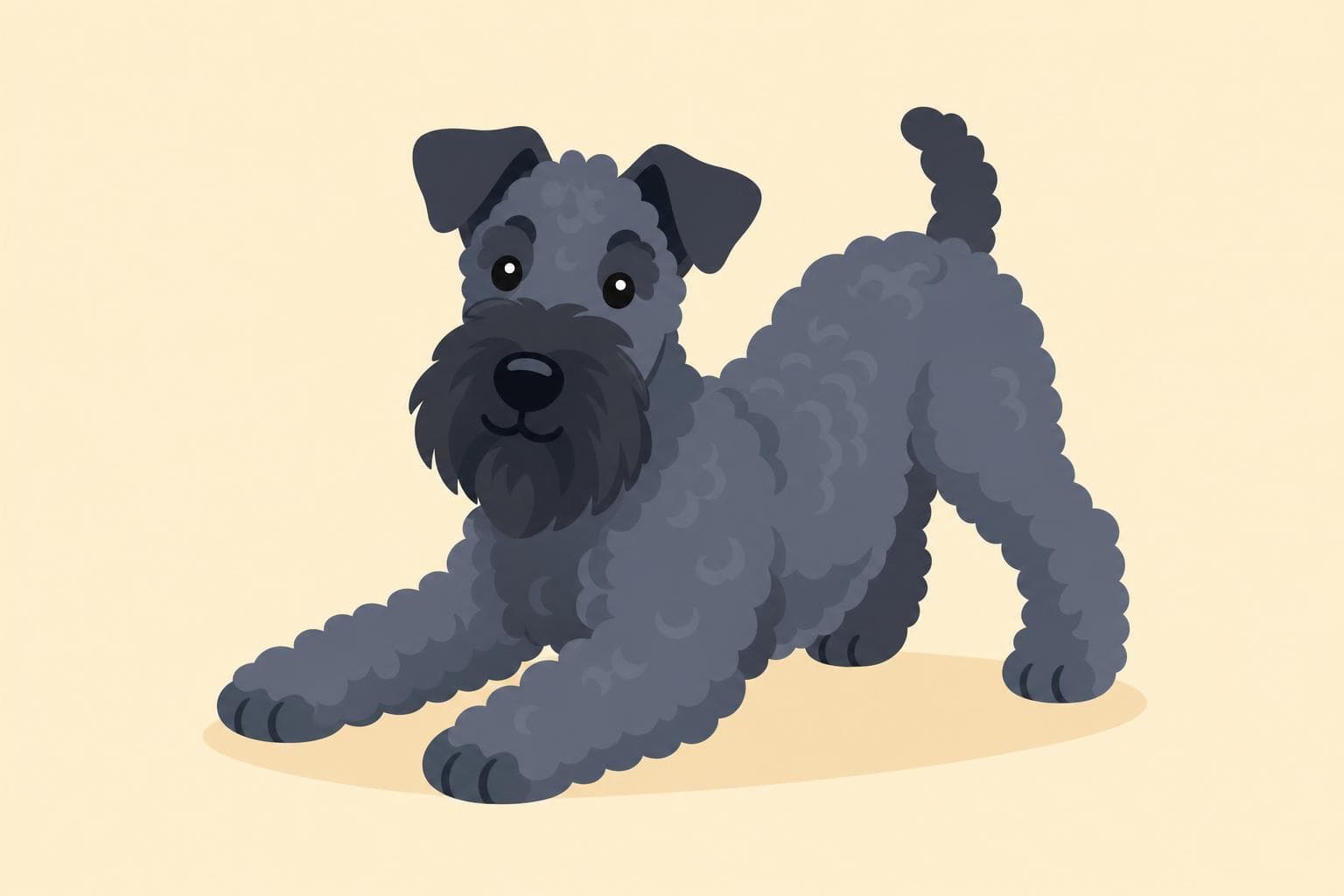
Behavior & traits
- devoted to family
- playful with kids
- alert watchdog
- strong willed
- spirited terrier drive
Health concerns
Kerry Blues are generally a hardy, long-lived breed, but families should watch for hip dysplasia, eye issues like cataracts and entropion, and progressive neuronal abiotrophy (a rare neurological condition). They can also be prone to skin cysts and ear infections, especially because of their dense, hair-filled ears. Regular vet checkups and reputable breeder screening go a long way toward catching issues early.
Responsible breeding and regular check-ups go a long way. Always ask breeders about health testing.
Feeding & nutrition
A high-quality diet formulated for active medium-sized breeds keeps a Kerry Blue in great shape, typically about 1.5 to 2 cups of dry food daily split into two meals. Because they're energetic and muscular, look for foods with quality protein and healthy fats, and adjust portions for growing puppies or less active adults. Watch the treats during training sessions — Kerries can put on weight if family snacks become a habit.
Exercise needs
Kerry Blues need a solid hour or more of daily exercise, including brisk walks, play sessions, and ideally some off-leash romping in a securely fenced yard. They love games like fetch, tug, and chasing kids around the backyard, which makes them a natural fit for active families. Without enough activity, they can get bored and channel that terrier energy into mischief like digging or chewing.
Living with a Kerry Blue Terrier
Living with a Kerry Blue Terrier means having a true family companion who wants to be in the middle of everything — the homework table, the backyard soccer game, the couch cuddle. They're famously playful and clownish at home, often keeping kids laughing with their antics, but they're also intuitive and will settle quietly when the household winds down. Expect a dog who patrols the house, announces visitors with a confident bark, and considers the family their job. Their soft, wavy coat doesn't shed much, which is a relief for tidy households, but it does require regular brushing and trims to stay tangle-free. The biggest surprise for many families is just how deeply attached Kerries become — they truly don't like being left out, so they do best in homes where someone is around for most of the day.
Recommended products
A quality slicker brush, metal comb, and grooming scissors are essentials for keeping that signature blue coat mat-free between professional grooms every 6–8 weeks. A sturdy front-clip harness helps manage their pulling on walks, and durable rubber toys like Kongs or tough tug ropes stand up to their strong terrier jaws. Round it out with a stainless steel raised feeder, a comfortable crate for downtime, and puzzle toys to keep that clever brain engaged when the kids are at school.
Reads for Kerry Blue Terrier owners
![[header] Border Collie with puzzle toys](/_next/image?url=https%3A%2F%2Fimages.ctfassets.net%2Fq8y32akc6zms%2F7eTvC6qBF3gqDFvQSzcpXM%2Fa35b628bfd670bfc52bf4bcd532fc1b6%2Fheader.jpg&w=3840&q=75)
Engaging Activities for Border Collies: A How-To Guide
Is your Border Collie always on the lookout for something to do? Dive into engaging mental activities that will keep their sharp minds busy and entertained!
![[header] Senior dog resting on an orthopedic bed while a puppy waits](/_next/image?url=https%3A%2F%2Fimages.ctfassets.net%2Fq8y32akc6zms%2F4EwnObSBED8EN4IbvFJgaN%2Fc15a1446d531fd28d8e6854c46c3de7f%2Fheader.jpg&w=3840&q=75)
Before the Puppy Arrives: A Pre-Arrival Checklist for Your Senior Dog
Your calm senior dog has been quietly compensating for aches, stiffness, and fading senses for years — and a new puppy is about to expose all of it. This pre-arrival checklist walks you through the vet workup, pain baseline, and home setup to tackle in the weeks *before* pickup day, so your older dog isn't blindsided by the chaos.
![[header] Small dog wearing a soft mesh harness walking on a sunny pat](/_next/image?url=https%3A%2F%2Fimages.ctfassets.net%2Fq8y32akc6zms%2F3p03PzT9zANgbTC9dAOMJ2%2Ff95efe8539856e9489ef9bd4e861c4ba%2Fheader.jpg&w=3840&q=75)
Comfortable Harnesses for Small Dogs Prone to Tracheal Collapse
Is your small dog coughing from their collar? Discover harnesses designed for pups prone to tracheal collapse, offering protection and comfort with every walk.