Kuvasz
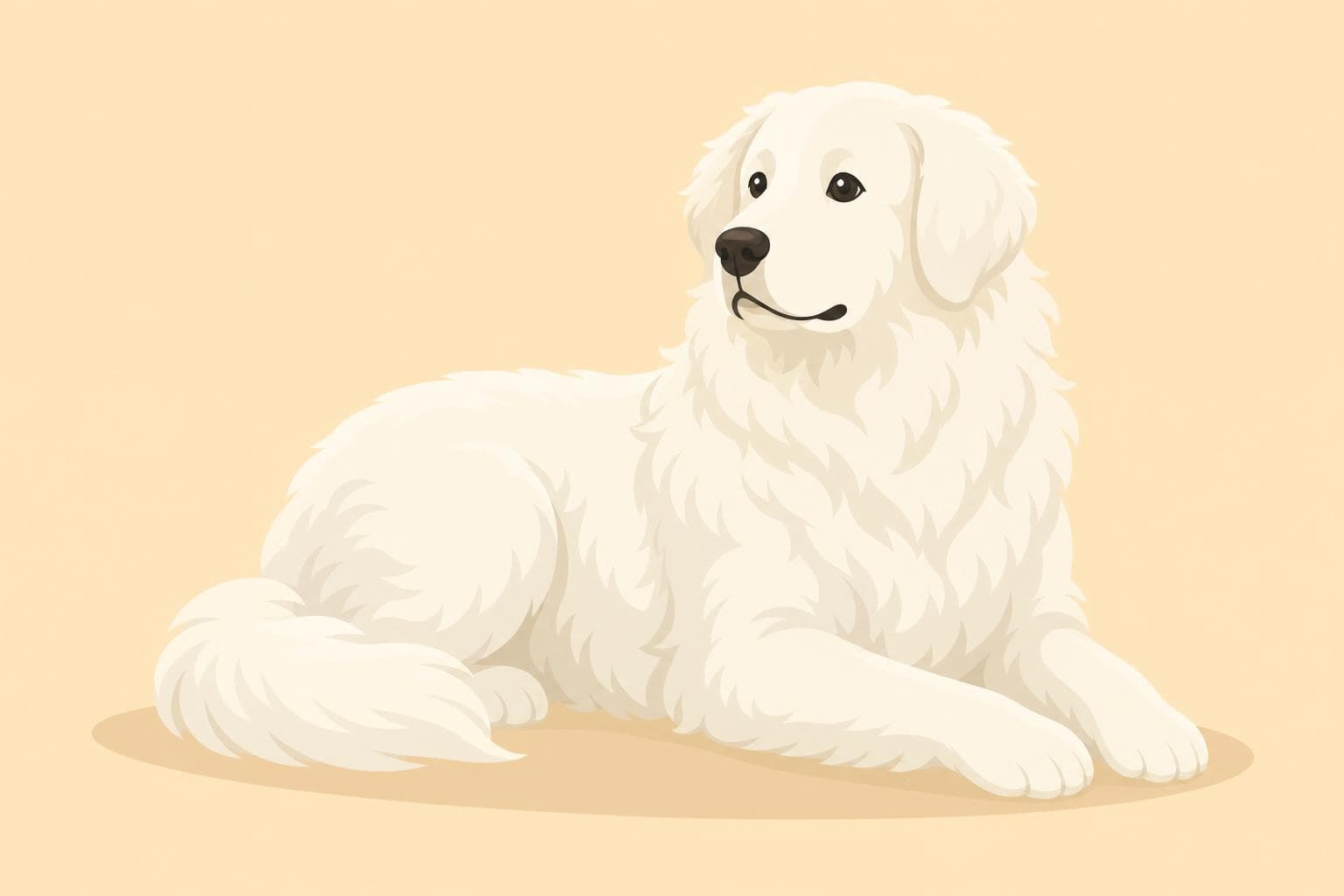
The Kuvasz is a deeply devoted guardian breed that bonds closely with its family while remaining naturally suspicious of outsiders. At home, they tend to be calm, affectionate, and surprisingly gentle with the children they've grown up alongside, often acting as a watchful shadow throughout the day. They're independent thinkers — a trait left over from centuries of guarding livestock without human direction — so expect a dog with opinions of their own. With confident leadership and early socialization, they settle into family life as steady, loving companions.
Behavior & traits
- fiercely loyal
- gentle with their family
- naturally protective
- independent thinker
- wary of strangers
Health concerns
Kuvaszok are generally hardy, but as a large breed they can be prone to hip and elbow dysplasia, as well as bloat (gastric torsion), which families should learn to recognize early. Some lines may also experience hypothyroidism or osteochondritis. Working with a reputable breeder who screens for joint and thyroid issues, plus regular vet checkups, goes a long way.
Responsible breeding and regular check-ups go a long way. Always ask breeders about health testing.
Feeding & nutrition
Feed a high-quality large-breed formula, typically 4–6 cups daily split into two meals to help reduce the risk of bloat. Puppies need a large-breed puppy food specifically formulated for slow, steady growth to protect developing joints. Avoid heavy exercise immediately before or after meals, and keep fresh water available throughout the day.
Exercise needs
Kuvaszok need moderate but consistent daily exercise — think a couple of long walks, a romp in a securely fenced yard, or a hike with the family. They aren't hyper, but they do need room to move and mental stimulation to stay balanced. A bored Kuvasz can become a vocal or destructive Kuvasz, so building activity into the family's daily routine is key.
Living with a Kuvasz
Living with a Kuvasz means sharing your home with a serious, attentive guardian who genuinely sees themselves as part of the family team. They tend to follow their people from room to room, settling quietly nearby and keeping a watchful eye on the kids — many families describe them as gentle giants who somehow always know where everyone is. They do bark, especially at night or when unfamiliar people approach, so a securely fenced yard and clear house rules are essential. Expect heavy shedding twice a year (the famous 'coat blow'), plenty of white fur on dark clothing, and a dog who will challenge you respectfully if rules aren't consistent. But for families ready to invest in training and socialization, the reward is an unwavering, devoted protector who adores their humans.
Recommended products
A sturdy front-clip harness and a strong 6-foot leash are essential for managing their size and strength on walks. Invest in a slicker brush and an undercoat rake to handle their thick double coat, especially during shedding seasons. A raised, slow-feeder bowl can help reduce bloat risk, and durable, large-breed chew toys (like rubber Kongs or tough nylon bones) will keep their intelligent minds busy. An elevated orthopedic dog bed is also worth it to support their joints as they grow and age.
Reads for Kuvasz owners
![[header] Border Collie with puzzle toys](/_next/image?url=https%3A%2F%2Fimages.ctfassets.net%2Fq8y32akc6zms%2F7eTvC6qBF3gqDFvQSzcpXM%2Fa35b628bfd670bfc52bf4bcd532fc1b6%2Fheader.jpg&w=3840&q=75)
Engaging Activities for Border Collies: A How-To Guide
Is your Border Collie always on the lookout for something to do? Dive into engaging mental activities that will keep their sharp minds busy and entertained!
![[header] Senior dog resting on an orthopedic bed while a puppy waits](/_next/image?url=https%3A%2F%2Fimages.ctfassets.net%2Fq8y32akc6zms%2F4EwnObSBED8EN4IbvFJgaN%2Fc15a1446d531fd28d8e6854c46c3de7f%2Fheader.jpg&w=3840&q=75)
Before the Puppy Arrives: A Pre-Arrival Checklist for Your Senior Dog
Your calm senior dog has been quietly compensating for aches, stiffness, and fading senses for years — and a new puppy is about to expose all of it. This pre-arrival checklist walks you through the vet workup, pain baseline, and home setup to tackle in the weeks *before* pickup day, so your older dog isn't blindsided by the chaos.
![[header] Small dog wearing a soft mesh harness walking on a sunny pat](/_next/image?url=https%3A%2F%2Fimages.ctfassets.net%2Fq8y32akc6zms%2F3p03PzT9zANgbTC9dAOMJ2%2Ff95efe8539856e9489ef9bd4e861c4ba%2Fheader.jpg&w=3840&q=75)
Comfortable Harnesses for Small Dogs Prone to Tracheal Collapse
Is your small dog coughing from their collar? Discover harnesses designed for pups prone to tracheal collapse, offering protection and comfort with every walk.