Labrador Retriever
Labrador Retrievers are the quintessential family dog — sociable, affectionate, and almost universally fond of people. They thrive on being part of the action, whether that's a backyard game, a car ride, or simply lounging at your feet while you cook dinner. Their patient, easygoing nature makes them wonderful companions for children, and they tend to greet strangers and other pets with the same wagging enthusiasm.
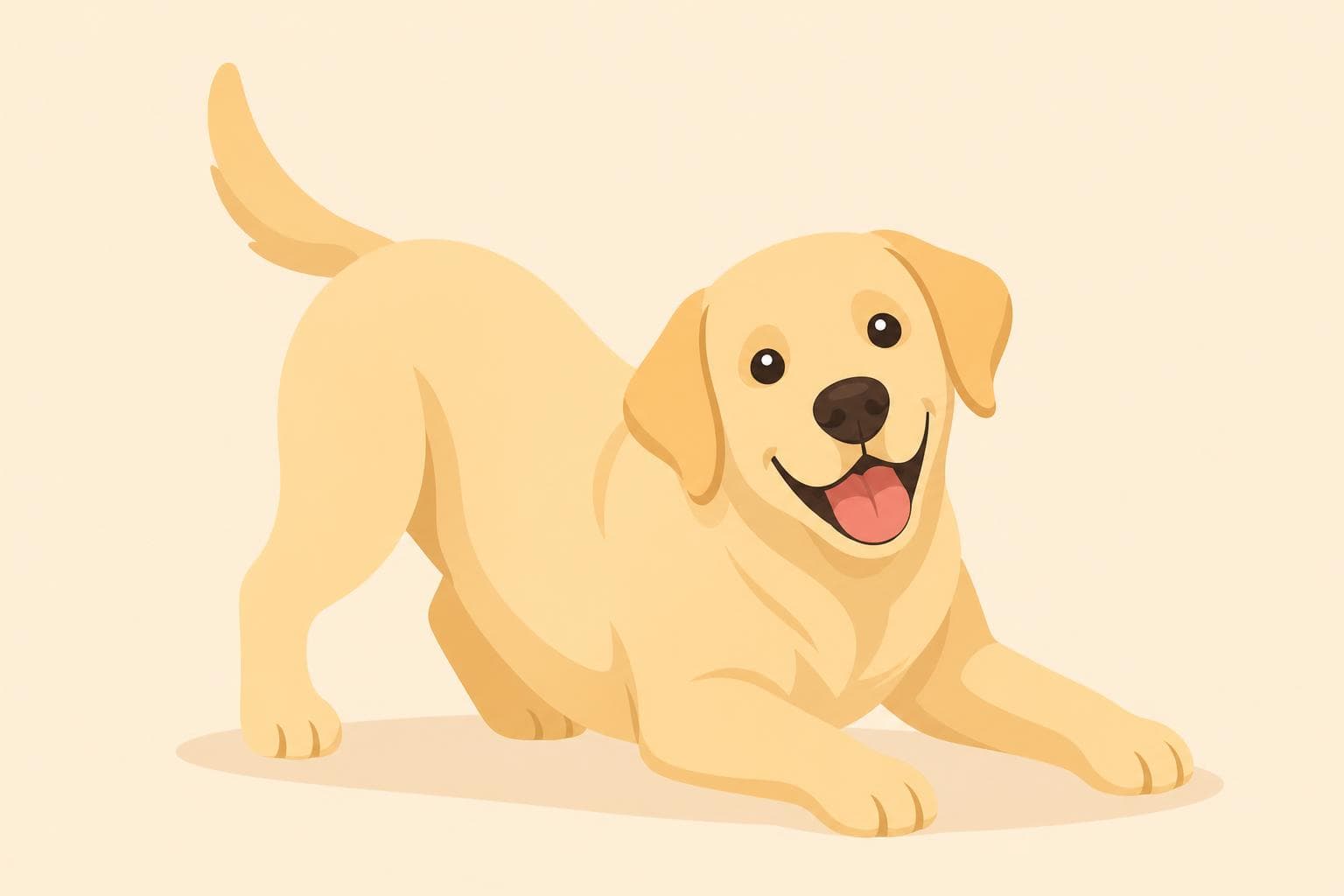
Behavior & traits
- gentle with kids
- social
- playful
- loyal
- food motivated
Health concerns
Labradors are prone to hip and elbow dysplasia, so reputable breeders should provide health clearances. They're also at higher risk for obesity, which can worsen joint issues, as well as eye conditions like progressive retinal atrophy and certain heart conditions. Routine vet checkups and weight management go a long way toward keeping them healthy.
Responsible breeding and regular check-ups go a long way. Always ask breeders about health testing.
Feeding & nutrition
Feed a high-quality, large-breed formula split into two measured meals a day to prevent overeating — Labs are famously food-motivated and will happily convince you they're starving. Watch the treats (especially with kids slipping table scraps) and keep an eye on body condition, since extra pounds add stress to their joints. Fresh water should always be available, especially after exercise.
Exercise needs
Labs need at least 60–90 minutes of active exercise daily, including walks, fetch, swimming, or romps in the yard. Families can easily meet these needs by involving the dog in everyday life — bike rides, hikes, trips to the park, or backyard games with the kids. A tired Lab is a well-behaved Lab, so mental enrichment like puzzle toys and training games is just as important as physical activity.
Living with a Labrador Retriever
Living with a Labrador means living with a perpetually joyful shadow — they want to be wherever you are, all the time. Expect daily zoomies, a tail that clears coffee tables, and an uncanny ability to detect a snack being unwrapped from three rooms away. They shed year-round with bigger 'coat blows' twice a year, so a good vacuum becomes a household essential. On the upside, they're remarkably forgiving with toddlers, eager to learn, and almost always up for an adventure or a cuddle on the couch. Most families say their Lab quickly becomes the heart of the home — goofy, loving, and endlessly loyal.
Recommended products
A sturdy slicker brush and de-shedding tool (like a Furminator) are must-haves for managing that double coat, along with a high-quality vacuum built for pet hair. Invest in a no-pull harness for walks since Labs can be strong pullers, and durable toys like Kong Classics, Chuckit! launchers, and tough rope toys to satisfy their love of fetch and chewing. A slow-feeder bowl helps curb their tendency to inhale meals, and an elevated dog bed supports those large joints for the long haul.
Reads for Labrador Retriever owners
![[header] A friendly, relaxed dog sitting on a grassy hill, representi](/_next/image?url=https%3A%2F%2Fimages.ctfassets.net%2Fq8y32akc6zms%2FJ9sBqGl2JtWQn9LX2JCBf%2Fc459e0ddc8d3679a4109e20156422b93%2Fheader.jpg&w=3840&q=75)
The Best Friend: The Dog Who Fits Almost Anywhere
Meet The Best Friend — the well-rounded, go-anywhere dog with no real extremes. Friendly, adaptable, and quietly tuned into their person, this is the classic good egg of the dog world. Here's what life with one actually looks like, and the owners they click with best.
The One-of-a-Kind: The Dog Who Doesn't Fit Any Single Profile
Your dog didn't fit any single profile — and that's the whole point. The One-of-a-Kind is the archetype for dogs whose traits blend in their own original way, and it comes with a specific challenge: it's easy to under-serve a dog who never quite complains. Here's what balanced really looks like, and how to build a life around the dog in front of you.
![[header] A calm owner sitting on the floor with a relaxed dog leaning](/_next/image?url=https%3A%2F%2Fimages.ctfassets.net%2Fq8y32akc6zms%2F2ciptjZRZ8GgpFJqmXxaM6%2F4e013e2dced5e35a2072e8087e60bb16%2Fheader.jpg&w=3840&q=75)
The Calm Anchor: The Owner Archetype Reactive and Nervous Dogs Settle Best With
The Calm Anchor is the owner whose nervous system doesn't join in when a walk goes sideways — and that steadiness is exactly what a reactive or anxious dog needs to borrow from. If your assessment landed you here, this is the full portrait: what your calm does for a dog, the dog personalities most likely to thrive under your roof, and the one habit that quietly holds you back.