Leonberger
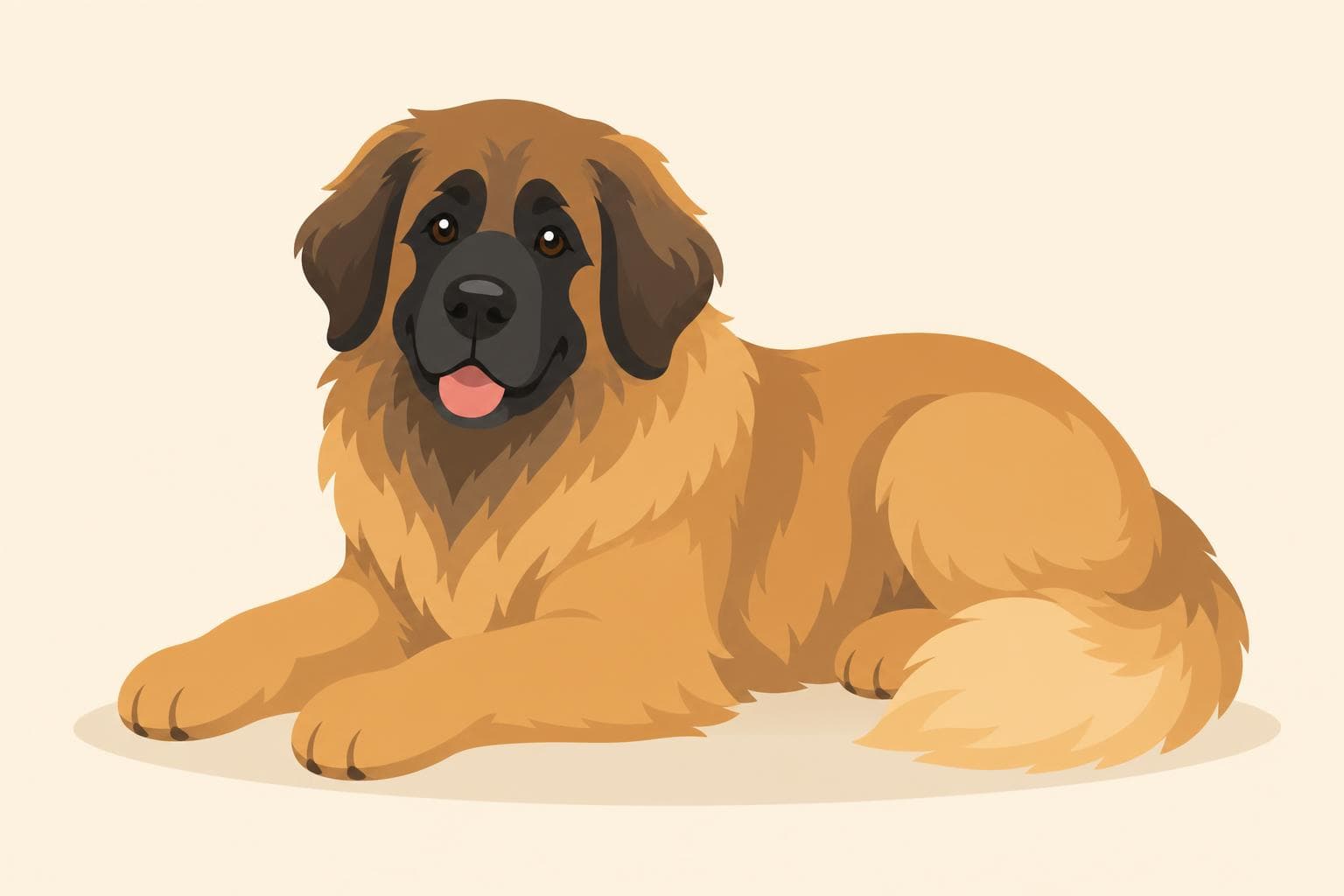
Leonbergers are often called 'gentle giants' for very good reason — they're big, soft-hearted dogs who genuinely adore their people. They tend to be calm and even-tempered indoors, but they have a playful, goofy side that comes out during family time and outdoor adventures. With proper socialization, they're typically friendly with children, other pets, and visitors, while still maintaining a watchful, protective awareness of their household.
Behavior & traits
- gentle with kids
- loyal companion
- patient temperament
- naturally protective
- social and friendly
Health concerns
Like many giant breeds, Leonbergers are prone to hip and elbow dysplasia, bloat (gastric torsion), and certain heart conditions such as dilated cardiomyopathy. They're also susceptible to inherited neurological issues like polyneuropathy, so reputable breeders should screen for these. Their shorter lifespan is typical for giant breeds, making regular vet checkups especially important as they age.
Responsible breeding and regular check-ups go a long way. Always ask breeders about health testing.
Feeding & nutrition
Leonbergers need a high-quality large-breed formula, especially as puppies, to support slow, steady bone and joint development. Adults typically eat 4–6 cups of food daily, split into two meals to help reduce the risk of bloat. Avoid heavy exercise right after meals, and consider an elevated feeder if your vet recommends one.
Exercise needs
Despite their size, Leonbergers have moderate exercise needs — about 45–60 minutes of daily activity like walks, hikes, or backyard play. They especially love swimming, thanks to their water-resistant coats and webbed feet, making lake or beach trips a real treat. Families can easily meet their needs through neighborhood walks, fetch sessions, and weekend outdoor adventures.
Living with a Leonberger
Living with a Leonberger means sharing your home with a giant, lovable shadow who wants to be wherever you are — including under your feet in the kitchen. Expect lots of fur (especially during the twice-yearly 'coat blow'), some drool, and a dog who genuinely thinks he's lap-sized. They're surprisingly mellow indoors, often content to snooze near the family while life carries on around them, but they light up for playtime with the kids. Many families are charmed by their 'leaning' habit — a Leonberger's way of giving hugs by pressing against your legs. They do best in homes where they're truly part of the family; left alone too much, they can become lonely and destructive.
Recommended products
A heavy-duty slicker brush and undercoat rake are non-negotiable for managing their thick double coat, along with a sturdy grooming table to save your back. Invest in a no-pull harness designed for large breeds, a raised food and water bowl set, and an extra-large orthopedic bed to support their joints. For playtime, durable rubber toys, large rope toys, and a kiddie pool for summer splash sessions will keep them happily entertained.
Reads for Leonberger owners
![[header] Border Collie with puzzle toys](/_next/image?url=https%3A%2F%2Fimages.ctfassets.net%2Fq8y32akc6zms%2F7eTvC6qBF3gqDFvQSzcpXM%2Fa35b628bfd670bfc52bf4bcd532fc1b6%2Fheader.jpg&w=3840&q=75)
Engaging Activities for Border Collies: A How-To Guide
Is your Border Collie always on the lookout for something to do? Dive into engaging mental activities that will keep their sharp minds busy and entertained!
![[header] Senior dog resting on an orthopedic bed while a puppy waits](/_next/image?url=https%3A%2F%2Fimages.ctfassets.net%2Fq8y32akc6zms%2F4EwnObSBED8EN4IbvFJgaN%2Fc15a1446d531fd28d8e6854c46c3de7f%2Fheader.jpg&w=3840&q=75)
Before the Puppy Arrives: A Pre-Arrival Checklist for Your Senior Dog
Your calm senior dog has been quietly compensating for aches, stiffness, and fading senses for years — and a new puppy is about to expose all of it. This pre-arrival checklist walks you through the vet workup, pain baseline, and home setup to tackle in the weeks *before* pickup day, so your older dog isn't blindsided by the chaos.
![[header] Small dog wearing a soft mesh harness walking on a sunny pat](/_next/image?url=https%3A%2F%2Fimages.ctfassets.net%2Fq8y32akc6zms%2F3p03PzT9zANgbTC9dAOMJ2%2Ff95efe8539856e9489ef9bd4e861c4ba%2Fheader.jpg&w=3840&q=75)
Comfortable Harnesses for Small Dogs Prone to Tracheal Collapse
Is your small dog coughing from their collar? Discover harnesses designed for pups prone to tracheal collapse, offering protection and comfort with every walk.