Lowchen
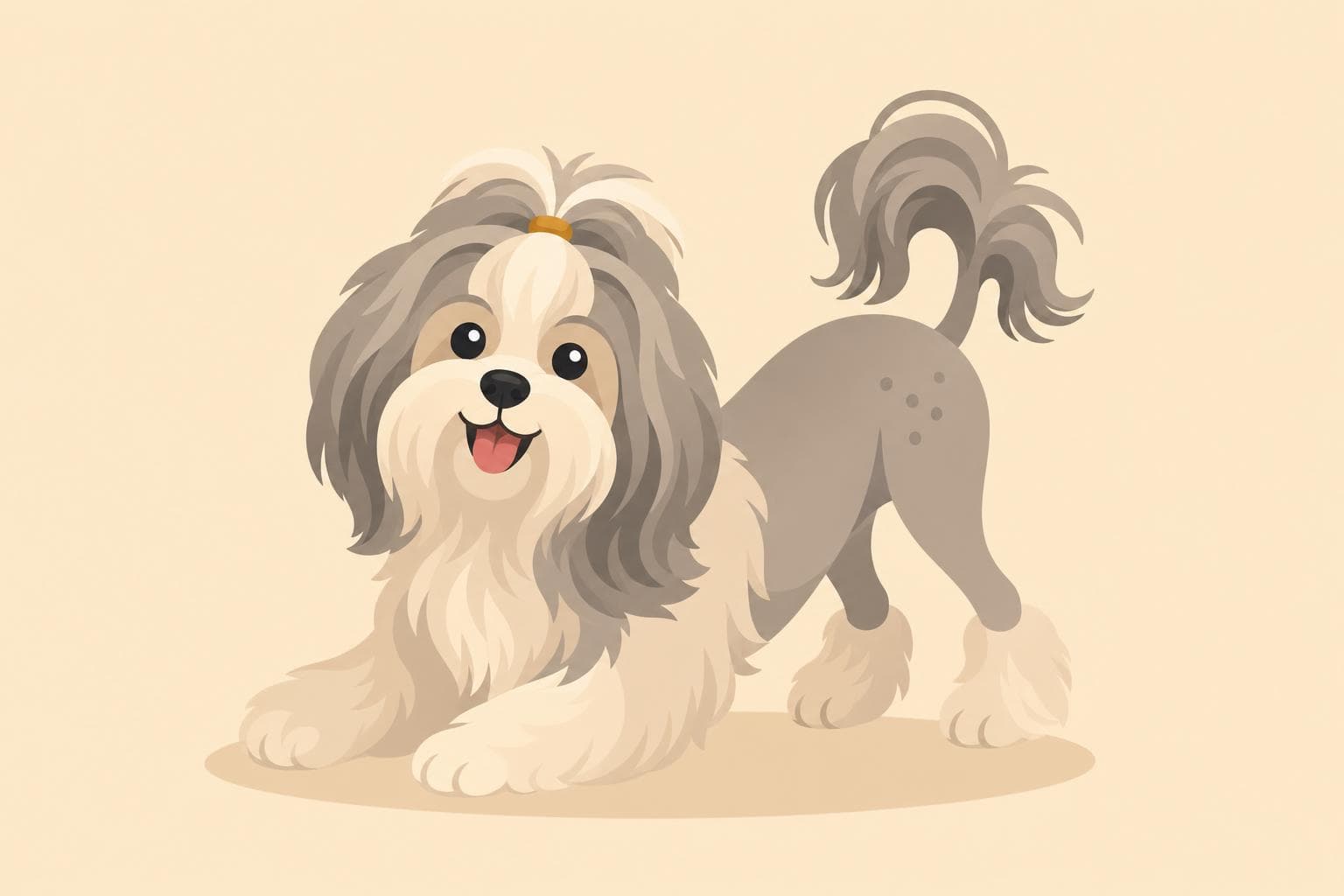
The Lowchen, often called the 'Little Lion Dog,' is a cheerful and devoted companion who thrives on being part of the family action. They're confident without being yappy, playful without being hyper, and genuinely love both quiet cuddle sessions and lively games with the kids. In a family home, they tend to bond with everyone rather than picking just one favorite person, making them a wonderful all-around family dog.
Behavior & traits
- affectionate companion
- gentle with kids
- sociable
- playful
- adaptable
Health concerns
Lowchens are generally a hardy and long-lived breed with few serious health issues, which is one of their best-kept secrets. Families should still watch for patellar luxation (slipping kneecaps) and occasional eye conditions like cataracts or progressive retinal atrophy. Regular vet checkups and keeping them at a healthy weight go a long way toward a happy, active life.
Responsible breeding and regular check-ups go a long way. Always ask breeders about health testing.
Feeding & nutrition
A high-quality small-breed dog food works well for the Lowchen, with portions measured carefully since their small size means even a little overfeeding adds up quickly. Most adults do well on about ½ to 1 cup of food per day, split into two meals. Watch the table scraps — kids love sharing snacks, but this breed gains weight easily if treats aren't kept in check.
Exercise needs
Lowchens have moderate energy and are happy with a couple of daily walks plus some playtime in the yard or living room. They love interactive games like fetch, hide-and-seek, and gentle tug, which makes them a great fit for families with children who want a playmate. A tired Lowchen is a content Lowchen, but they don't need miles of running to stay balanced.
Living with a Lowchen
Living with a Lowchen feels like having a small, cheerful shadow who's always up for whatever the family is doing. They'll happily nap beside you during a movie, then bounce up to chase the kids around the backyard ten minutes later. Their coat is low-shedding but does require regular brushing — most families settle into a routine of a few brushings a week, plus a professional groom every 6–8 weeks. They're surprisingly quiet for a small breed, though they'll alert you to visitors, and they don't love being left alone for long stretches, so they fit best in homes where someone is around much of the day. Many families are pleasantly surprised by how trainable and emotionally tuned-in this little dog is — they really do feel like a member of the family.
Recommended products
A quality slicker brush and metal comb are non-negotiable for keeping that signature wavy coat tangle-free between grooming appointments. A small-breed harness (rather than a collar) protects their delicate neck on walks, and a cozy crate or dog bed in a central family spot gives them a sense of security. Interactive puzzle toys and soft plush toys help keep their clever minds engaged, and a small-breed kibble with a measuring cup helps prevent the easy weight gain this breed is prone to.
Reads for Lowchen owners
![[header] Border Collie with puzzle toys](/_next/image?url=https%3A%2F%2Fimages.ctfassets.net%2Fq8y32akc6zms%2F7eTvC6qBF3gqDFvQSzcpXM%2Fa35b628bfd670bfc52bf4bcd532fc1b6%2Fheader.jpg&w=3840&q=75)
Engaging Activities for Border Collies: A How-To Guide
Is your Border Collie always on the lookout for something to do? Dive into engaging mental activities that will keep their sharp minds busy and entertained!
![[header] Senior dog resting on an orthopedic bed while a puppy waits](/_next/image?url=https%3A%2F%2Fimages.ctfassets.net%2Fq8y32akc6zms%2F4EwnObSBED8EN4IbvFJgaN%2Fc15a1446d531fd28d8e6854c46c3de7f%2Fheader.jpg&w=3840&q=75)
Before the Puppy Arrives: A Pre-Arrival Checklist for Your Senior Dog
Your calm senior dog has been quietly compensating for aches, stiffness, and fading senses for years — and a new puppy is about to expose all of it. This pre-arrival checklist walks you through the vet workup, pain baseline, and home setup to tackle in the weeks *before* pickup day, so your older dog isn't blindsided by the chaos.
![[header] Small dog wearing a soft mesh harness walking on a sunny pat](/_next/image?url=https%3A%2F%2Fimages.ctfassets.net%2Fq8y32akc6zms%2F3p03PzT9zANgbTC9dAOMJ2%2Ff95efe8539856e9489ef9bd4e861c4ba%2Fheader.jpg&w=3840&q=75)
Comfortable Harnesses for Small Dogs Prone to Tracheal Collapse
Is your small dog coughing from their collar? Discover harnesses designed for pups prone to tracheal collapse, offering protection and comfort with every walk.