Miniature American Shepherd
The Miniature American Shepherd is a smart, devoted little herder with a big personality packed into a compact frame. They bond deeply with their family and tend to shadow their favorite humans from room to room, always ready for the next adventure. In a family home, they're playful and engaged with the kids, alert to visitors, and quick to learn the household routine — though their herding instincts may show up as gentle nudging of running children.
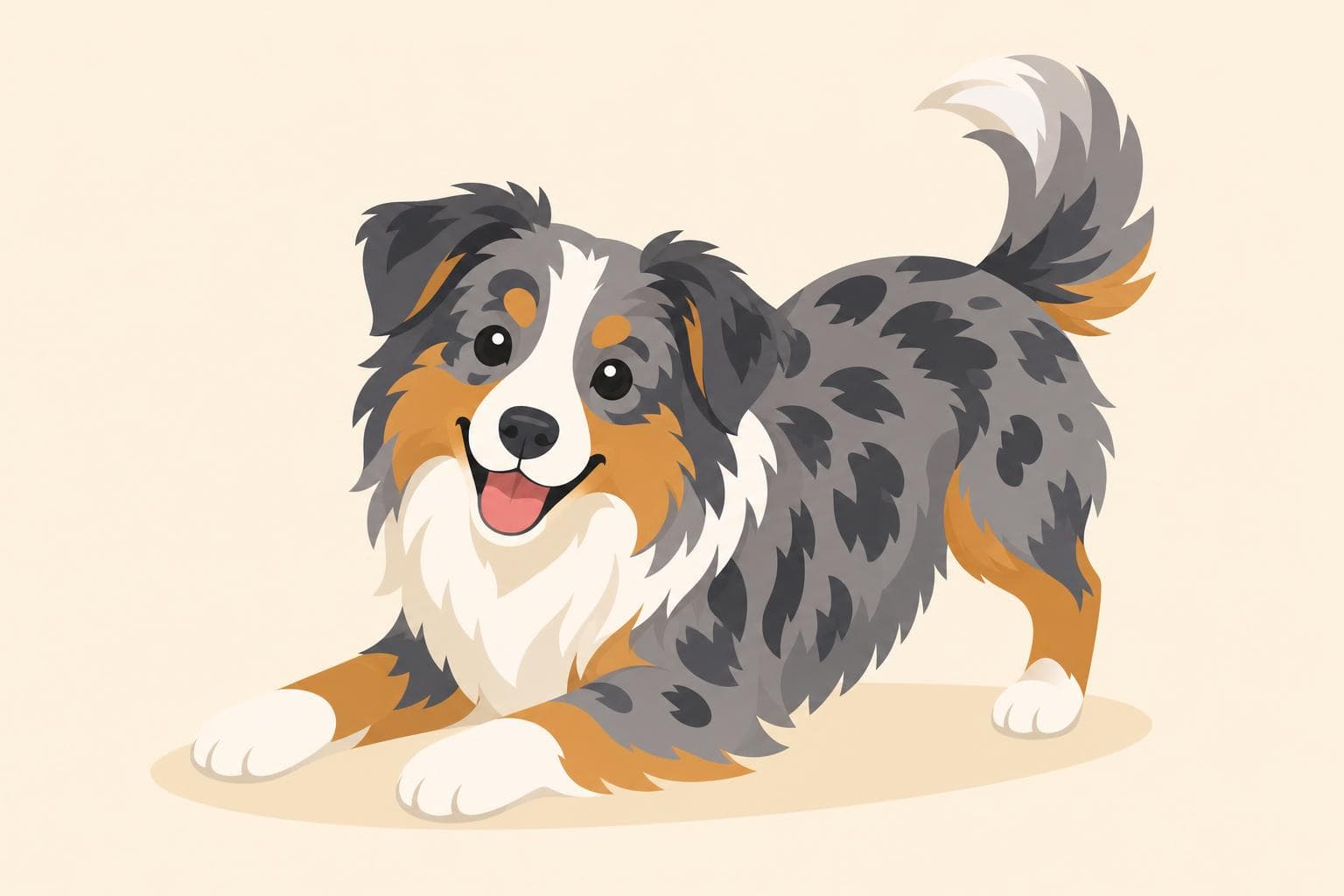
Behavior & traits
- devoted to family
- gentle with kids
- eager to please
- playful
- protective
Health concerns
Mini American Shepherds are generally healthy, but families should be aware of hip and elbow dysplasia, certain eye conditions like collie eye anomaly and progressive retinal atrophy, and a sensitivity to certain medications linked to the MDR1 gene mutation. Reputable breeders screen for these issues, and a simple DNA test can flag the MDR1 gene so your vet can adjust prescriptions accordingly. Routine wellness checks and maintaining a healthy weight go a long way toward a long, happy life.
Responsible breeding and regular check-ups go a long way. Always ask breeders about health testing.
Feeding & nutrition
A high-quality dog food formulated for active small-to-medium breeds typically suits them best, usually about 1 to 1.5 cups split into two meals a day. Because they're enthusiastic and food-motivated, it's easy to overdo treats during training — keep an eye on portions to prevent weight gain. Fresh water, consistent mealtimes, and limited table scraps will keep this active little athlete in great shape.
Exercise needs
This breed needs a solid hour or more of activity each day, blending physical exercise with mental challenges. Families can meet this with backyard fetch, hikes, agility games, puzzle toys, and training sessions woven throughout the day. Without enough outlet for their energy and brainpower, they can become restless or invent their own jobs — like herding the kids or the family cat.
Living with a Miniature American Shepherd
Living with a Miniature American Shepherd means having a constant, joyful sidekick who wants to be part of everything you do — from school drop-offs to backyard playtime to movie night on the couch. They're surprisingly easy to train and quick to pick up household rules, which makes them a delight for families willing to invest in early socialization and consistent boundaries. Expect some shedding, especially during seasonal coat blows, and be ready for a dog who notices every doorbell, squirrel, and delivery truck. Their herding instinct can surprise new owners — don't be shocked if they try to gather the kids during a game of tag. Once their exercise needs are met, though, they settle beautifully into family life and are happy to nap at your feet until the next adventure.
Recommended products
A sturdy front-clip harness gives you control on walks and helps manage their excited energy without straining their neck. Invest in puzzle feeders, snuffle mats, and interactive toys like treat-dispensing balls to keep that clever brain busy between activities. A slicker brush and undercoat rake are essential for managing their double coat, especially during shedding season, along with quality nail clippers and dog-safe ear cleaner. Long-lasting chews and a comfortable crate or designated 'settle' bed help them learn to relax during downtime in a busy household.
Reads for Miniature American Shepherd owners
![[header] Border Collie with puzzle toys](/_next/image?url=https%3A%2F%2Fimages.ctfassets.net%2Fq8y32akc6zms%2F7eTvC6qBF3gqDFvQSzcpXM%2Fa35b628bfd670bfc52bf4bcd532fc1b6%2Fheader.jpg&w=3840&q=75)
Engaging Activities for Border Collies: A How-To Guide
Is your Border Collie always on the lookout for something to do? Dive into engaging mental activities that will keep their sharp minds busy and entertained!
![[header] Senior dog resting on an orthopedic bed while a puppy waits](/_next/image?url=https%3A%2F%2Fimages.ctfassets.net%2Fq8y32akc6zms%2F4EwnObSBED8EN4IbvFJgaN%2Fc15a1446d531fd28d8e6854c46c3de7f%2Fheader.jpg&w=3840&q=75)
Before the Puppy Arrives: A Pre-Arrival Checklist for Your Senior Dog
Your calm senior dog has been quietly compensating for aches, stiffness, and fading senses for years — and a new puppy is about to expose all of it. This pre-arrival checklist walks you through the vet workup, pain baseline, and home setup to tackle in the weeks *before* pickup day, so your older dog isn't blindsided by the chaos.
![[header] Small dog wearing a soft mesh harness walking on a sunny pat](/_next/image?url=https%3A%2F%2Fimages.ctfassets.net%2Fq8y32akc6zms%2F3p03PzT9zANgbTC9dAOMJ2%2Ff95efe8539856e9489ef9bd4e861c4ba%2Fheader.jpg&w=3840&q=75)
Comfortable Harnesses for Small Dogs Prone to Tracheal Collapse
Is your small dog coughing from their collar? Discover harnesses designed for pups prone to tracheal collapse, offering protection and comfort with every walk.