Miniature Schnauzer
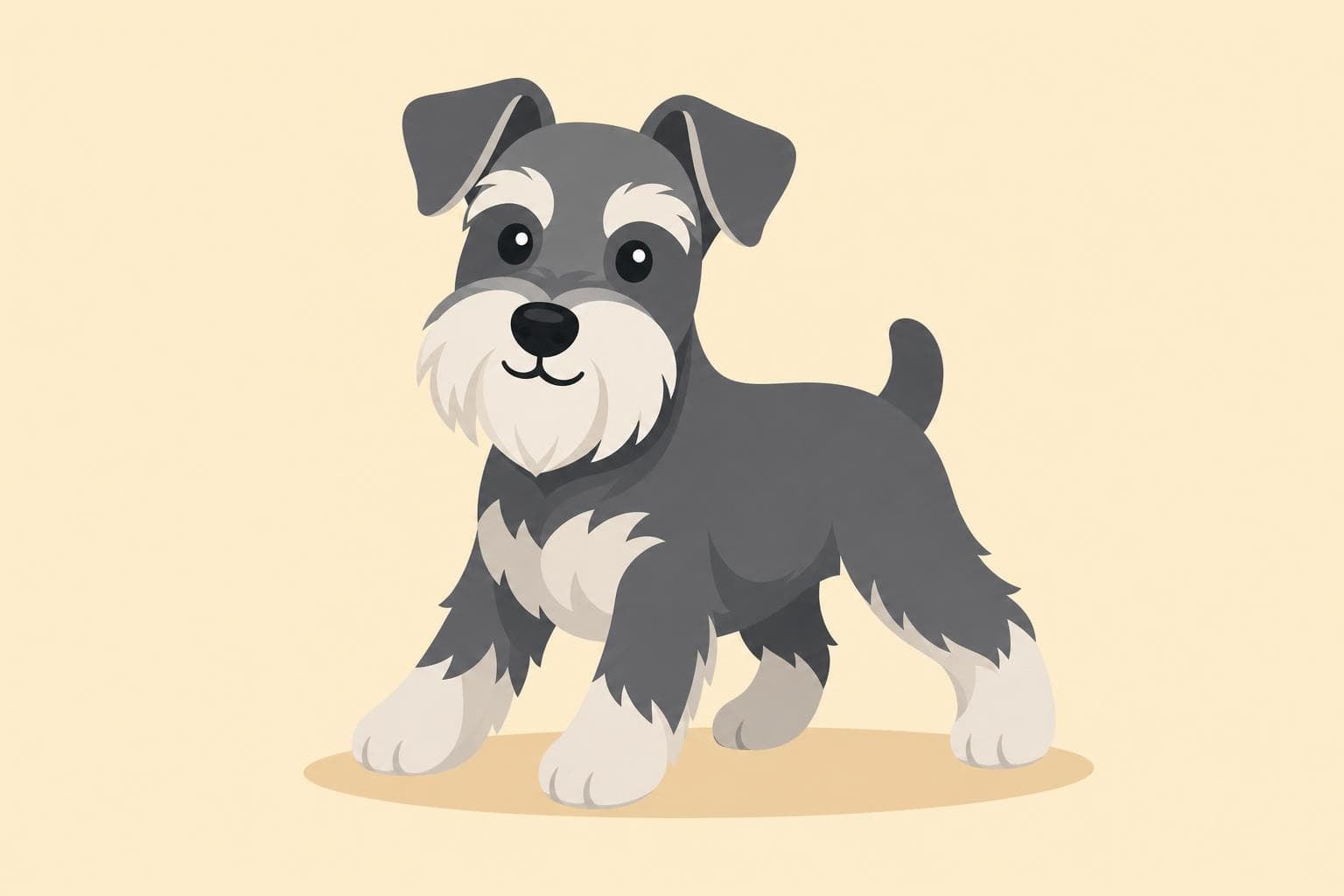
Miniature Schnauzers are big personalities packed into small, sturdy bodies, making them a wonderful fit for families who want a dog that's both fun and devoted. They're naturally affectionate with their people, love being in the middle of household activity, and tend to form especially close bonds with children. While they can be a bit vocal — alerting you to every delivery driver and squirrel — that same trait makes them attentive little watchdogs who take their family role seriously.
Behavior & traits
- loyal
- great with kids
- watchful
- playful
- eager to please
Health concerns
Miniature Schnauzers are generally healthy but can be prone to pancreatitis, especially if fed fatty foods or table scraps, so a careful diet is important. They're also susceptible to hyperlipidemia, urinary stones, and certain eye conditions like cataracts and progressive retinal atrophy. Regular vet checkups and bloodwork can help catch these issues early.
Responsible breeding and regular check-ups go a long way. Always ask breeders about health testing.
Feeding & nutrition
Feed a high-quality, low-fat dog food split into two measured meals per day to help prevent pancreatitis, which this breed is particularly prone to. Avoid fatty table scraps, rich treats, and human food — stick with lean, dog-safe options like carrots or small training treats. Always keep fresh water available, and watch their waistline since Minis can put on weight easily.
Exercise needs
Miniature Schnauzers need about 45–60 minutes of activity each day, which can be split into walks, backyard play, and indoor games. They love a good game of fetch, puzzle toys, and tagging along on family adventures. Because they're smart and energetic, mental stimulation matters just as much as physical exercise.
Living with a Miniature Schnauzer
Living with a Miniature Schnauzer means having a cheerful little shadow who wants to be involved in everything — from morning coffee to bedtime stories. They're surprisingly adaptable, equally happy in a city apartment or a suburban backyard, as long as their family is nearby. Expect some barking, especially at unfamiliar sounds, but also expect plenty of laughter — these dogs have a goofy, almost comedic personality that endears them to kids and adults alike. They're tidy, low-shedding, and their iconic beard means you'll occasionally find water droplets trailing across the floor after a drink. Most families find that once you live with a Mini Schnauzer, it's hard to imagine the house without one.
Recommended products
A quality slicker brush and metal comb are essential for keeping that signature beard and leg furnishings tangle-free, along with regular trips to a groomer every 6–8 weeks for clipping or hand-stripping. A well-fitted no-pull harness works better than a collar for walks, since Minis can be enthusiastic pullers when they spot a squirrel. Puzzle feeders and interactive toys like snuffle mats help channel their sharp minds, and a beard-friendly elevated water bowl can help keep their face (and your floors) a little drier.
Reads for Miniature Schnauzer owners
![[header] Border Collie with puzzle toys](/_next/image?url=https%3A%2F%2Fimages.ctfassets.net%2Fq8y32akc6zms%2F7eTvC6qBF3gqDFvQSzcpXM%2Fa35b628bfd670bfc52bf4bcd532fc1b6%2Fheader.jpg&w=3840&q=75)
Engaging Activities for Border Collies: A How-To Guide
Is your Border Collie always on the lookout for something to do? Dive into engaging mental activities that will keep their sharp minds busy and entertained!
![[header] Senior dog resting on an orthopedic bed while a puppy waits](/_next/image?url=https%3A%2F%2Fimages.ctfassets.net%2Fq8y32akc6zms%2F4EwnObSBED8EN4IbvFJgaN%2Fc15a1446d531fd28d8e6854c46c3de7f%2Fheader.jpg&w=3840&q=75)
Before the Puppy Arrives: A Pre-Arrival Checklist for Your Senior Dog
Your calm senior dog has been quietly compensating for aches, stiffness, and fading senses for years — and a new puppy is about to expose all of it. This pre-arrival checklist walks you through the vet workup, pain baseline, and home setup to tackle in the weeks *before* pickup day, so your older dog isn't blindsided by the chaos.
![[header] Small dog wearing a soft mesh harness walking on a sunny pat](/_next/image?url=https%3A%2F%2Fimages.ctfassets.net%2Fq8y32akc6zms%2F3p03PzT9zANgbTC9dAOMJ2%2Ff95efe8539856e9489ef9bd4e861c4ba%2Fheader.jpg&w=3840&q=75)
Comfortable Harnesses for Small Dogs Prone to Tracheal Collapse
Is your small dog coughing from their collar? Discover harnesses designed for pups prone to tracheal collapse, offering protection and comfort with every walk.