Nederlandse Kooikerhondje
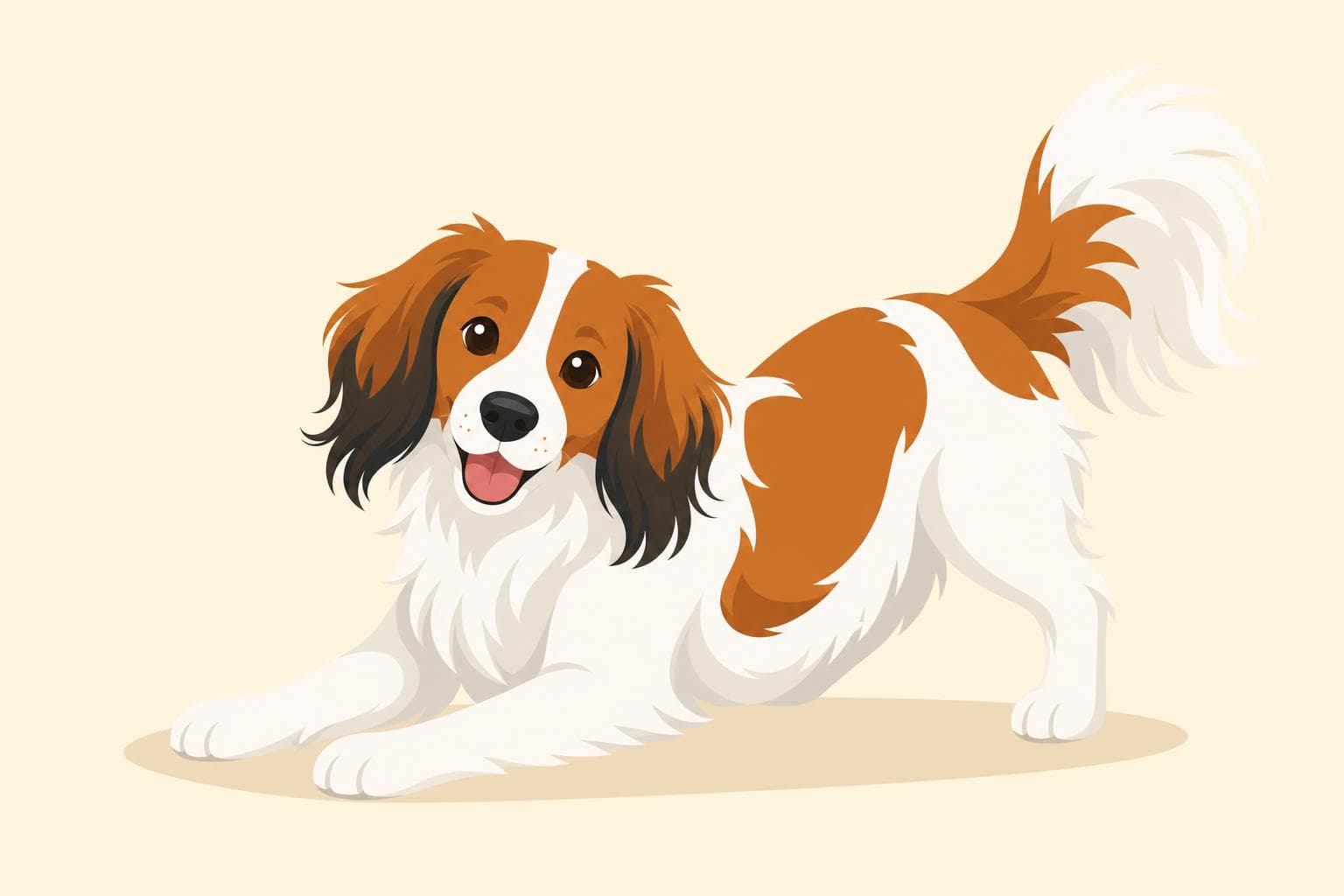
The Nederlandse Kooikerhondje is a cheerful, spirited little sporting dog with a big personality packed into a medium frame. They're affectionate with their families, playful with children, and quick to alert you when something seems off — but they're not yappy or aggressive. Kooikers tend to be sensitive souls who thrive on gentle guidance and lots of togetherness, often becoming closely bonded to one or two family members while remaining warm with everyone else in the home.
Behavior & traits
- playful with kids
- loyal companion
- alert watchdog
- eager to please
- sensitive
Health concerns
Kooikerhondjes can be prone to a few hereditary conditions, including hereditary necrotizing myelopathy (ENM), von Willebrand's disease, patellar luxation, and eye issues like cataracts. Reputable breeders test for these conditions, so always ask for health clearances before bringing a puppy home. Routine vet checkups and keeping your Kooiker at a healthy weight go a long way toward a long, happy life.
Responsible breeding and regular check-ups go a long way. Always ask breeders about health testing.
Feeding & nutrition
A high-quality dog food formulated for active medium-sized breeds works well, typically about 1 to 1.5 cups split into two meals a day. Because Kooikers are athletic and food-motivated, it's easy to overfeed with treats during training — measure portions and use small training rewards. Always provide fresh water, especially after play sessions or warm-weather walks.
Exercise needs
Kooikers need about an hour of active exercise daily, including walks, fetch, swimming, or backyard play. They excel at canine sports like agility, flyball, and scent work, which are fantastic ways for active families to bond with them. Without enough physical and mental stimulation, they can get restless and find their own (less desirable) entertainment.
Living with a Nederlandse Kooikerhondje
Living with a Kooikerhondje feels a bit like having a joyful, four-legged shadow who's always ready for the next adventure. They love being part of every family activity — whether that's a backyard game with the kids, a hike, or just curling up during movie night. Expect a dog that's alert at the door but settles nicely once introductions are made, and one that thrives on routine and gentle, consistent guidance. Their signature feathered ears and waving tail are charming, but families are often surprised by how sensitive Kooikers are; harsh tones or chaotic households can stress them out. With patience and plenty of inclusion, they reward you with deep loyalty, lots of laughs, and a wonderfully fun-loving companion for kids and adults alike.
Recommended products
A sturdy Y-front harness is great for daily walks and prevents strain on their athletic frame, while a long-line leash gives them safe freedom to explore on hikes. Invest in a slicker brush and metal comb to manage their feathered ears, tail, and seasonal shedding, plus a gentle dog shampoo for occasional baths. Puzzle feeders, snuffle mats, and fetch toys help channel their busy minds, and a cozy crate or dog bed in a central family spot gives them a safe retreat when they need to recharge.
Reads for Nederlandse Kooikerhondje owners
![[header] Border Collie with puzzle toys](/_next/image?url=https%3A%2F%2Fimages.ctfassets.net%2Fq8y32akc6zms%2F7eTvC6qBF3gqDFvQSzcpXM%2Fa35b628bfd670bfc52bf4bcd532fc1b6%2Fheader.jpg&w=3840&q=75)
Engaging Activities for Border Collies: A How-To Guide
Is your Border Collie always on the lookout for something to do? Dive into engaging mental activities that will keep their sharp minds busy and entertained!
![[header] Senior dog resting on an orthopedic bed while a puppy waits](/_next/image?url=https%3A%2F%2Fimages.ctfassets.net%2Fq8y32akc6zms%2F4EwnObSBED8EN4IbvFJgaN%2Fc15a1446d531fd28d8e6854c46c3de7f%2Fheader.jpg&w=3840&q=75)
Before the Puppy Arrives: A Pre-Arrival Checklist for Your Senior Dog
Your calm senior dog has been quietly compensating for aches, stiffness, and fading senses for years — and a new puppy is about to expose all of it. This pre-arrival checklist walks you through the vet workup, pain baseline, and home setup to tackle in the weeks *before* pickup day, so your older dog isn't blindsided by the chaos.
![[header] Small dog wearing a soft mesh harness walking on a sunny pat](/_next/image?url=https%3A%2F%2Fimages.ctfassets.net%2Fq8y32akc6zms%2F3p03PzT9zANgbTC9dAOMJ2%2Ff95efe8539856e9489ef9bd4e861c4ba%2Fheader.jpg&w=3840&q=75)
Comfortable Harnesses for Small Dogs Prone to Tracheal Collapse
Is your small dog coughing from their collar? Discover harnesses designed for pups prone to tracheal collapse, offering protection and comfort with every walk.