Newfoundland
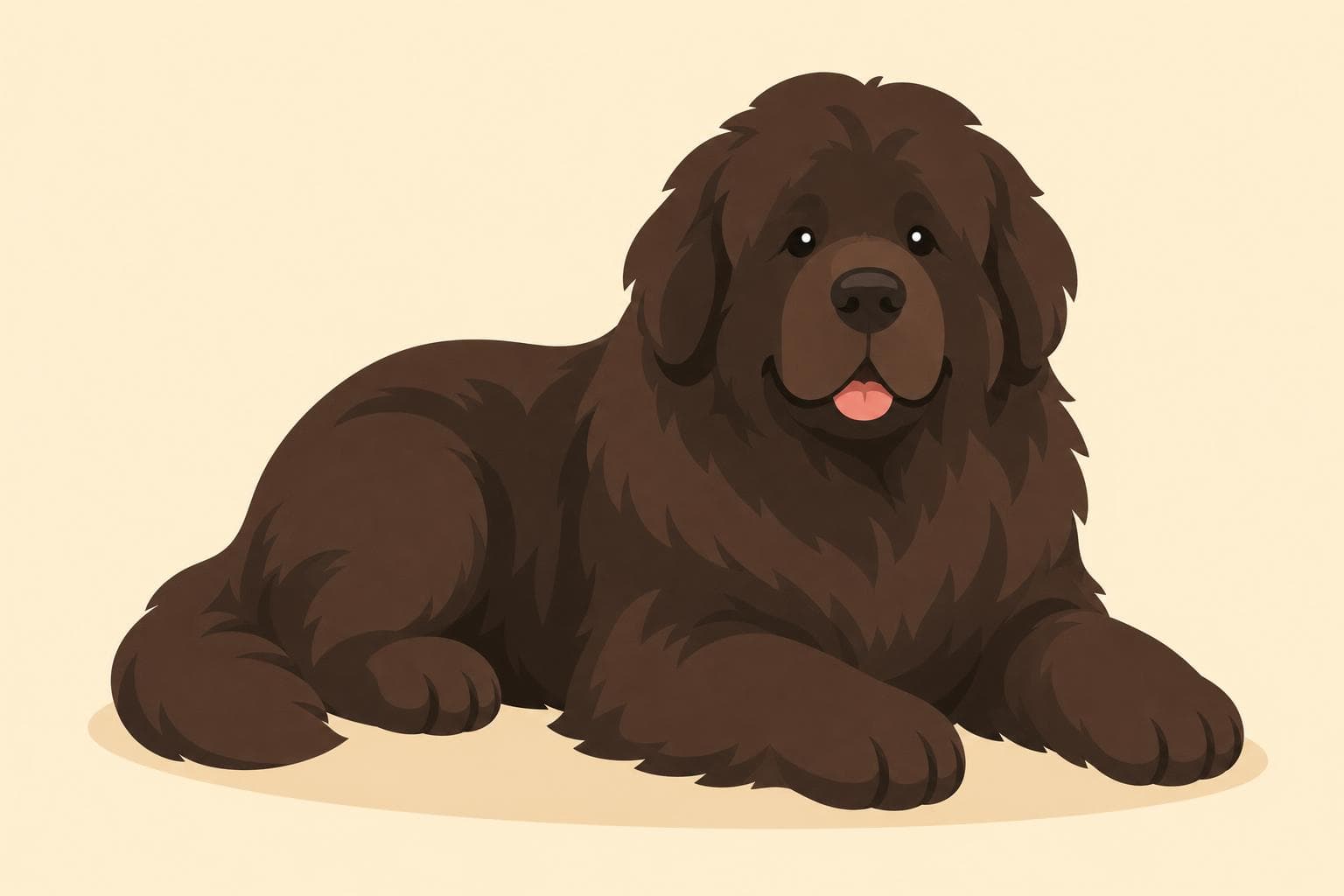
Often called the 'nanny dog,' the Newfoundland is one of the most family-friendly giants in the canine world. They're remarkably patient with kids, calm around the house, and have a sweet, soulful nature that makes them feel like a gentle bear in dog form. While they're protective by instinct, they're rarely aggressive — preferring to watch over their family with a quiet, steady presence.
Behavior & traits
- famously gentle with children
- naturally protective
- calm indoors
- eager to please
- loves water
Health concerns
Newfoundlands are prone to hip and elbow dysplasia, as well as heart conditions like subaortic stenosis, so reputable breeders should screen for both. They can also be susceptible to bloat (gastric torsion), a serious emergency in deep-chested breeds. Their lifespan is shorter than smaller dogs, which is something families should be emotionally prepared for.
Responsible breeding and regular check-ups go a long way. Always ask breeders about health testing.
Feeding & nutrition
As a giant breed, Newfoundlands need a high-quality large-breed formula that supports joint health and controlled growth, especially during puppyhood. Most adults eat 4–6 cups of food per day split into two meals to help prevent bloat. Avoid heavy exercise right after meals, and keep treats moderate since extra weight can stress their joints.
Exercise needs
Despite their size, Newfies have moderate exercise needs — about 30–60 minutes of daily activity like walks, gentle hikes, or swimming. They absolutely love water and were bred as working water-rescue dogs, so a kiddie pool, lake, or beach day is pure joy for them. Avoid overexertion in hot weather, as their thick double coat makes them prone to overheating.
Living with a Newfoundland
Living with a Newfoundland is a bit like sharing your home with a furry, slobbery roommate who adores you unconditionally. They're calm and mellow indoors — often content to flop at your feet while the kids play — but they take up a lot of space and leave a trail of fur and drool wherever they go. Families quickly learn to keep 'drool towels' in every room and to budget for the extra vacuuming. They thrive on being part of the family and don't do well isolated in a yard; they want to be where you are, even if that means squeezing onto the couch. The trade-off for the hair, drool, and size is one of the most loving, kid-friendly companions you'll ever meet.
Recommended products
A heavy-duty slicker brush and undercoat rake are non-negotiable for managing their thick double coat, along with a sturdy grooming table if you can swing it. Invest in an extra-large orthopedic bed to protect their joints, elevated stainless steel food and water bowls (with a splash mat for the inevitable water flinging), and a strong front-clip harness for walks. Plenty of drool rags, a high-powered vacuum, and durable chew toys built for giant breeds will round out your essentials.
Reads for Newfoundland owners
![[header] Border Collie with puzzle toys](/_next/image?url=https%3A%2F%2Fimages.ctfassets.net%2Fq8y32akc6zms%2F7eTvC6qBF3gqDFvQSzcpXM%2Fa35b628bfd670bfc52bf4bcd532fc1b6%2Fheader.jpg&w=3840&q=75)
Engaging Activities for Border Collies: A How-To Guide
Is your Border Collie always on the lookout for something to do? Dive into engaging mental activities that will keep their sharp minds busy and entertained!
![[header] Senior dog resting on an orthopedic bed while a puppy waits](/_next/image?url=https%3A%2F%2Fimages.ctfassets.net%2Fq8y32akc6zms%2F4EwnObSBED8EN4IbvFJgaN%2Fc15a1446d531fd28d8e6854c46c3de7f%2Fheader.jpg&w=3840&q=75)
Before the Puppy Arrives: A Pre-Arrival Checklist for Your Senior Dog
Your calm senior dog has been quietly compensating for aches, stiffness, and fading senses for years — and a new puppy is about to expose all of it. This pre-arrival checklist walks you through the vet workup, pain baseline, and home setup to tackle in the weeks *before* pickup day, so your older dog isn't blindsided by the chaos.
![[header] Small dog wearing a soft mesh harness walking on a sunny pat](/_next/image?url=https%3A%2F%2Fimages.ctfassets.net%2Fq8y32akc6zms%2F3p03PzT9zANgbTC9dAOMJ2%2Ff95efe8539856e9489ef9bd4e861c4ba%2Fheader.jpg&w=3840&q=75)
Comfortable Harnesses for Small Dogs Prone to Tracheal Collapse
Is your small dog coughing from their collar? Discover harnesses designed for pups prone to tracheal collapse, offering protection and comfort with every walk.