Norfolk Terrier
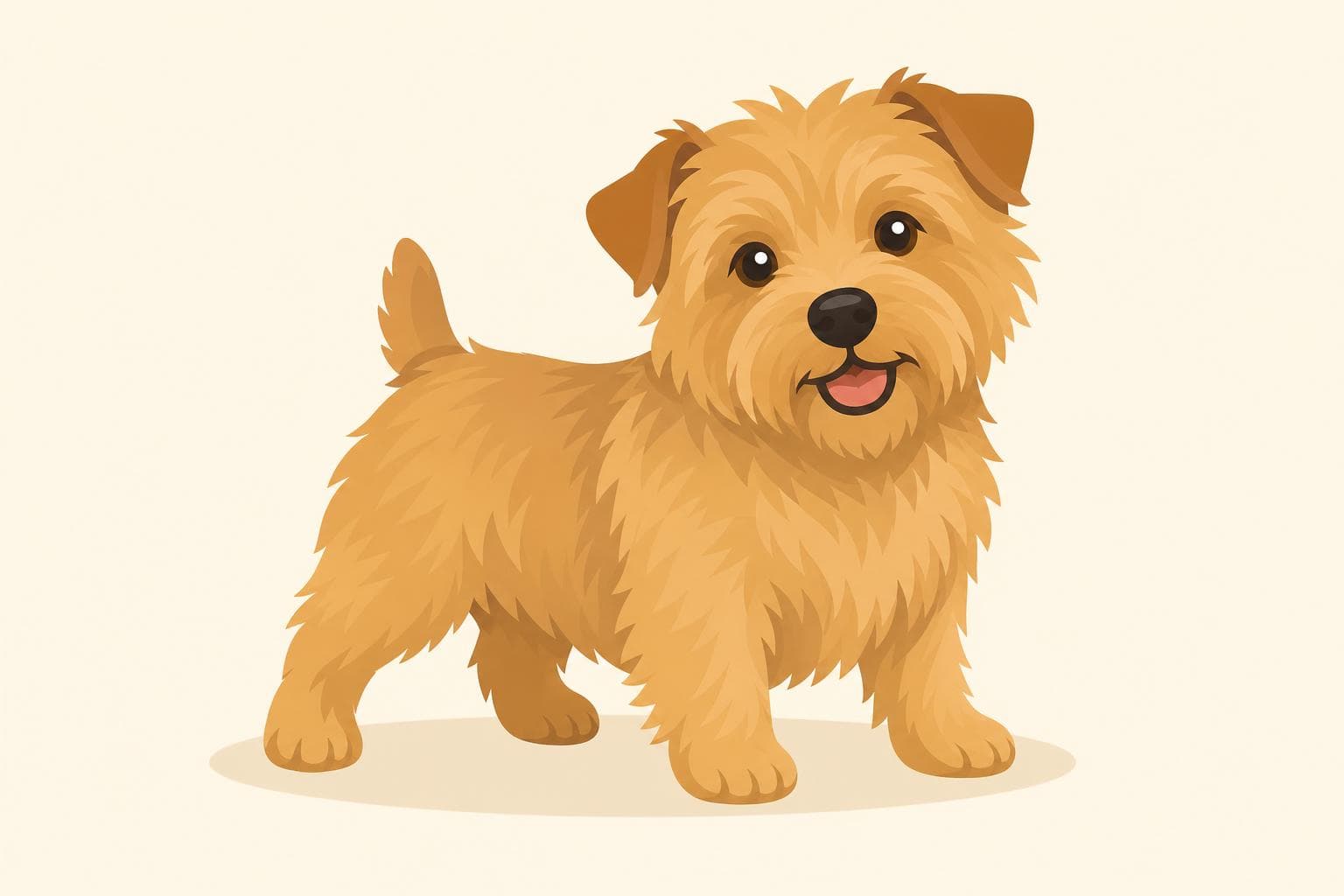
Norfolk Terriers pack a surprising amount of personality into a tiny, sturdy frame. They are bold and curious like all terriers, but noticeably softer and more people-oriented than many of their cousins, which makes them a wonderful fit for family life. Expect a dog that wants to be in the middle of the action — following kids around the house, greeting guests at the door, and curling up on the couch by evening.
Behavior & traits
- loyal companion
- great with kids
- playful
- alert watchdog
- gets along with other dogs
Health concerns
Norfolks are generally healthy little dogs, but families should be aware of potential issues like mitral valve heart disease, luxating patellas, and hip dysplasia. They can also be prone to dental problems, as is common in small breeds, and some lines see allergies or skin sensitivities. Regular vet checkups and a reputable breeder go a long way in catching concerns early.
Responsible breeding and regular check-ups go a long way. Always ask breeders about health testing.
Feeding & nutrition
A high-quality small-breed kibble or balanced fresh diet works well, typically split into two meals a day totaling about ½ to 1 cup depending on activity level. Norfolks love food and can put on weight quickly, so measure portions carefully and keep treats reasonable — especially during training. Fresh water and a sturdy, tip-resistant bowl round out their basic needs.
Exercise needs
Plan on about 30–45 minutes of activity daily, which can easily be split between a walk, backyard play, and indoor games. Norfolks love to chase balls, dig, and explore, so families with kids often find that playtime in the yard naturally meets their needs. They have terrier stamina but also a great off-switch, happily napping once the day's adventures are done.
Living with a Norfolk Terrier
Living with a Norfolk Terrier feels like having a tiny, joyful shadow who's always up for whatever the family is doing. Mornings might start with an enthusiastic greeting, followed by a brisk walk, and then they'll happily settle in while the kids head to school or the household gets to work. They're surprisingly adaptable — equally content in a city apartment or a house with a yard — but they do want to be with their people, not left alone for long stretches. Expect a bit of barking when the doorbell rings, some spirited squirrel-watching from the window, and a dog who genuinely loves snuggling at the end of the day. Most families are charmed by how much big-dog personality fits into such a portable, easy-to-manage package.
Recommended products
A slicker brush and a stripping comb are essential for maintaining the Norfolk's wiry double coat, along with regular nail clippers and a soft-bristle toothbrush for dental care. A well-fitted Y-shaped harness is kinder to their small frame than a collar for walks, and a sturdy 6-foot leash gives you control around squirrels and other temptations. Durable chew toys, a tug rope, and a few squeaky plush toys will satisfy their playful terrier instincts. Round things out with a cozy, washable dog bed — Norfolks love a soft spot to burrow into after a busy day.
Reads for Norfolk Terrier owners
![[header] Border Collie with puzzle toys](/_next/image?url=https%3A%2F%2Fimages.ctfassets.net%2Fq8y32akc6zms%2F7eTvC6qBF3gqDFvQSzcpXM%2Fa35b628bfd670bfc52bf4bcd532fc1b6%2Fheader.jpg&w=3840&q=75)
Engaging Activities for Border Collies: A How-To Guide
Is your Border Collie always on the lookout for something to do? Dive into engaging mental activities that will keep their sharp minds busy and entertained!
![[header] Senior dog resting on an orthopedic bed while a puppy waits](/_next/image?url=https%3A%2F%2Fimages.ctfassets.net%2Fq8y32akc6zms%2F4EwnObSBED8EN4IbvFJgaN%2Fc15a1446d531fd28d8e6854c46c3de7f%2Fheader.jpg&w=3840&q=75)
Before the Puppy Arrives: A Pre-Arrival Checklist for Your Senior Dog
Your calm senior dog has been quietly compensating for aches, stiffness, and fading senses for years — and a new puppy is about to expose all of it. This pre-arrival checklist walks you through the vet workup, pain baseline, and home setup to tackle in the weeks *before* pickup day, so your older dog isn't blindsided by the chaos.
![[header] Small dog wearing a soft mesh harness walking on a sunny pat](/_next/image?url=https%3A%2F%2Fimages.ctfassets.net%2Fq8y32akc6zms%2F3p03PzT9zANgbTC9dAOMJ2%2Ff95efe8539856e9489ef9bd4e861c4ba%2Fheader.jpg&w=3840&q=75)
Comfortable Harnesses for Small Dogs Prone to Tracheal Collapse
Is your small dog coughing from their collar? Discover harnesses designed for pups prone to tracheal collapse, offering protection and comfort with every walk.