Norwegian Buhund
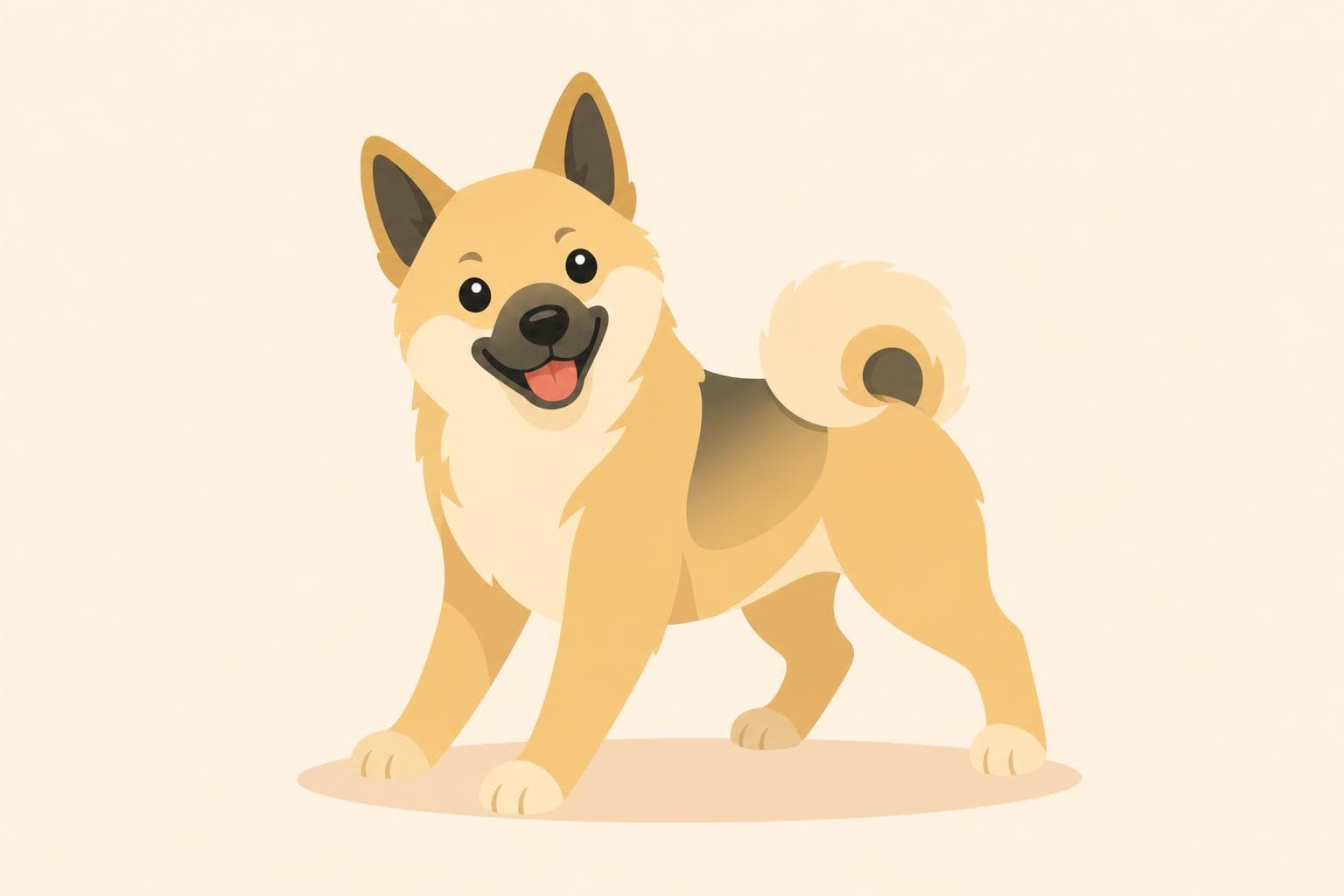
The Norwegian Buhund is a bright, sunny-spirited herding dog who genuinely thrives on being part of family life. They're affectionate and playful with their people, quick to learn household routines, and naturally inclined to keep an eye on everyone — including the kids. Expect a chatty companion who likes to 'talk' to you with barks, woofs, and head tilts, and who blossoms when included in everything from morning walks to backyard games.
Behavior & traits
- devoted to family
- great with kids
- vocal watchdog
- playful
- eager to please
Health concerns
Norwegian Buhunds are generally a hardy, healthy breed, but families should be aware of hip dysplasia and hereditary eye conditions like cataracts. Responsible breeders screen for these issues, so always ask to see health clearances. Routine vet checkups, dental care, and weight management will help your Buhund stay active well into their teens.
Responsible breeding and regular check-ups go a long way. Always ask breeders about health testing.
Feeding & nutrition
Feed a high-quality dog food appropriate for an active medium breed, typically 1.5 to 2 cups split into two meals a day. Because Buhunds love food and can be persuasive beggars, watch portions and treat intake to prevent weight gain. Adjust amounts based on age, activity level, and your vet's guidance.
Exercise needs
This is an energetic herding breed that needs at least 60–90 minutes of daily activity to stay happy and well-behaved. Brisk walks, fetch in the yard, hikes, and dog sports like agility or rally are all excellent outlets. Families with kids will find the Buhund a willing partner for backyard play, but they also need mental stimulation through training games and puzzle toys.
Living with a Norwegian Buhund
Living with a Norwegian Buhund is a bit like having a cheerful, four-legged family member who genuinely wants to be involved in everything. They'll follow you from room to room, supervise homework, greet the school bus, and let you know — vocally — when the mail carrier arrives. Their double coat sheds year-round with two heavier 'blowouts' each year, so expect tufts of fluff on the floor and a vacuum that earns its keep. They're wonderful with children, often forming especially close bonds with the kids in the household, though their herding instincts may mean an occasional gentle nudge during chaotic backyard play. Overall, families describe them as loving, funny, and endlessly engaged — a true companion who fits beautifully into busy households that include them in daily life.
Recommended products
A sturdy slicker brush and undercoat rake are non-negotiable for managing that thick double coat, especially during shedding season. Invest in a well-fitted Y-front harness for walks and hikes, plus puzzle feeders and interactive toys like treat-dispensing balls to keep their clever minds busy. A long training leash is great for practicing recall in open spaces, and chew-friendly toys help satisfy their natural energy on rainy days indoors.
Reads for Norwegian Buhund owners
![[header] Border Collie with puzzle toys](/_next/image?url=https%3A%2F%2Fimages.ctfassets.net%2Fq8y32akc6zms%2F7eTvC6qBF3gqDFvQSzcpXM%2Fa35b628bfd670bfc52bf4bcd532fc1b6%2Fheader.jpg&w=3840&q=75)
Engaging Activities for Border Collies: A How-To Guide
Is your Border Collie always on the lookout for something to do? Dive into engaging mental activities that will keep their sharp minds busy and entertained!
![[header] Senior dog resting on an orthopedic bed while a puppy waits](/_next/image?url=https%3A%2F%2Fimages.ctfassets.net%2Fq8y32akc6zms%2F4EwnObSBED8EN4IbvFJgaN%2Fc15a1446d531fd28d8e6854c46c3de7f%2Fheader.jpg&w=3840&q=75)
Before the Puppy Arrives: A Pre-Arrival Checklist for Your Senior Dog
Your calm senior dog has been quietly compensating for aches, stiffness, and fading senses for years — and a new puppy is about to expose all of it. This pre-arrival checklist walks you through the vet workup, pain baseline, and home setup to tackle in the weeks *before* pickup day, so your older dog isn't blindsided by the chaos.
![[header] Small dog wearing a soft mesh harness walking on a sunny pat](/_next/image?url=https%3A%2F%2Fimages.ctfassets.net%2Fq8y32akc6zms%2F3p03PzT9zANgbTC9dAOMJ2%2Ff95efe8539856e9489ef9bd4e861c4ba%2Fheader.jpg&w=3840&q=75)
Comfortable Harnesses for Small Dogs Prone to Tracheal Collapse
Is your small dog coughing from their collar? Discover harnesses designed for pups prone to tracheal collapse, offering protection and comfort with every walk.