Norwegian Elkhound
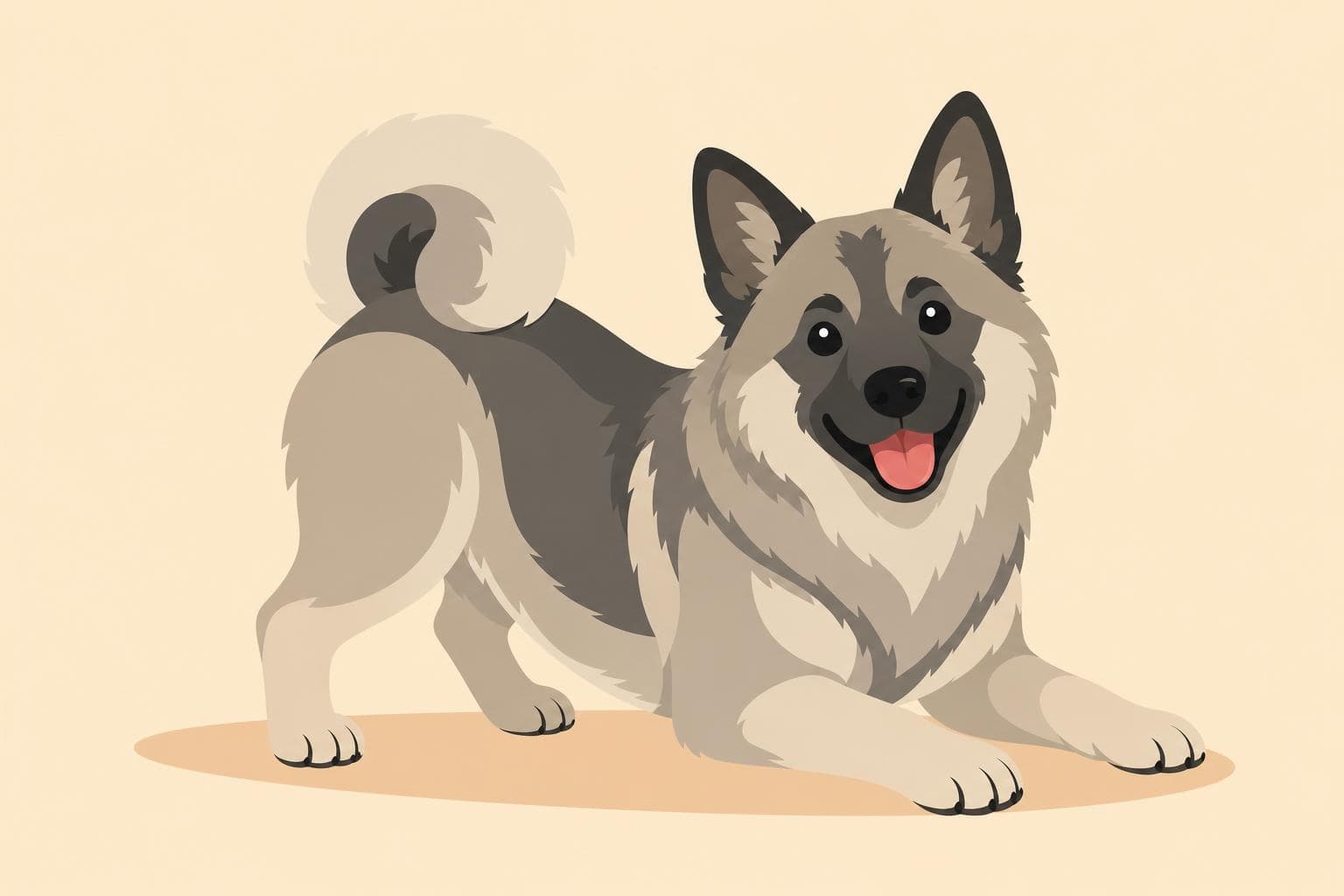
Norwegian Elkhounds are spirited, big-hearted dogs that bond deeply with their families and love being part of every household activity. Bred to hunt moose in Norway's rugged forests, they're confident and bold, yet remarkably gentle and patient with children they're raised alongside. They tend to be friendly with everyone but make excellent watchdogs, alerting you (loudly!) to anything new at the door. Expect a dog with opinions, a sense of humor, and an unshakeable loyalty to their people.
Behavior & traits
- devoted to family
- great with kids
- watchful
- playful
- vocal
Health concerns
Norwegian Elkhounds are generally a hardy, long-lived breed, but families should be aware of hip dysplasia, progressive retinal atrophy (PRA), and hypothyroidism. They're also prone to weight gain, which can stress their joints, so portion control matters. Choosing a breeder who screens for these issues and scheduling regular vet checkups goes a long way toward keeping them healthy.
Responsible breeding and regular check-ups go a long way. Always ask breeders about health testing.
Feeding & nutrition
A high-quality, protein-rich diet appropriate for medium-sized active breeds works well, typically 1.5 to 2 cups of dry food split into two meals daily. Elkhounds love food and can pack on pounds quickly, so measure meals carefully and go easy on treats — keeping them lean protects their joints and extends their healthy years. Fresh water should always be available, especially after their daily romps outside.
Exercise needs
Plan on at least an hour of vigorous activity each day — brisk walks, hikes, backyard play, or jogs all work beautifully. Elkhounds thrive in cooler weather and adore outdoor adventures, making them a wonderful match for families who enjoy hiking, camping, or weekend exploring. Without enough exercise, they can become bored and vocal, so building activity into your daily routine keeps everyone happy.
Living with a Norwegian Elkhound
Life with a Norwegian Elkhound is lively, loving, and never boring. They follow their favorite humans from room to room, snuggle on the couch after a long walk, and happily romp with kids in the backyard for hours. Expect a chatty companion — they bark to greet, to warn, and sometimes just to share their opinion, which families either find endearing or learn to gently train down. Shedding is a real part of daily life; they blow their thick double coat heavily twice a year, and you'll find tufts of fur in surprising places. But ask any Elkhound family, and they'll tell you the loyalty, laughter, and sense of security this breed brings far outweighs the vacuuming.
Recommended products
A sturdy slicker brush and an undercoat rake are absolute must-haves for managing that thick double coat, especially during heavy shedding seasons. Invest in a strong, comfortable harness for walks since Elkhounds are powerful pullers when they catch an interesting scent. Durable chew toys and puzzle feeders help keep their clever minds engaged, and a raised, washable dog bed gives them a cool, comfortable spot to rest after active days.
Reads for Norwegian Elkhound owners
![[header] Border Collie with puzzle toys](/_next/image?url=https%3A%2F%2Fimages.ctfassets.net%2Fq8y32akc6zms%2F7eTvC6qBF3gqDFvQSzcpXM%2Fa35b628bfd670bfc52bf4bcd532fc1b6%2Fheader.jpg&w=3840&q=75)
Engaging Activities for Border Collies: A How-To Guide
Is your Border Collie always on the lookout for something to do? Dive into engaging mental activities that will keep their sharp minds busy and entertained!
![[header] Senior dog resting on an orthopedic bed while a puppy waits](/_next/image?url=https%3A%2F%2Fimages.ctfassets.net%2Fq8y32akc6zms%2F4EwnObSBED8EN4IbvFJgaN%2Fc15a1446d531fd28d8e6854c46c3de7f%2Fheader.jpg&w=3840&q=75)
Before the Puppy Arrives: A Pre-Arrival Checklist for Your Senior Dog
Your calm senior dog has been quietly compensating for aches, stiffness, and fading senses for years — and a new puppy is about to expose all of it. This pre-arrival checklist walks you through the vet workup, pain baseline, and home setup to tackle in the weeks *before* pickup day, so your older dog isn't blindsided by the chaos.
![[header] Small dog wearing a soft mesh harness walking on a sunny pat](/_next/image?url=https%3A%2F%2Fimages.ctfassets.net%2Fq8y32akc6zms%2F3p03PzT9zANgbTC9dAOMJ2%2Ff95efe8539856e9489ef9bd4e861c4ba%2Fheader.jpg&w=3840&q=75)
Comfortable Harnesses for Small Dogs Prone to Tracheal Collapse
Is your small dog coughing from their collar? Discover harnesses designed for pups prone to tracheal collapse, offering protection and comfort with every walk.