Norwegian Lundehund
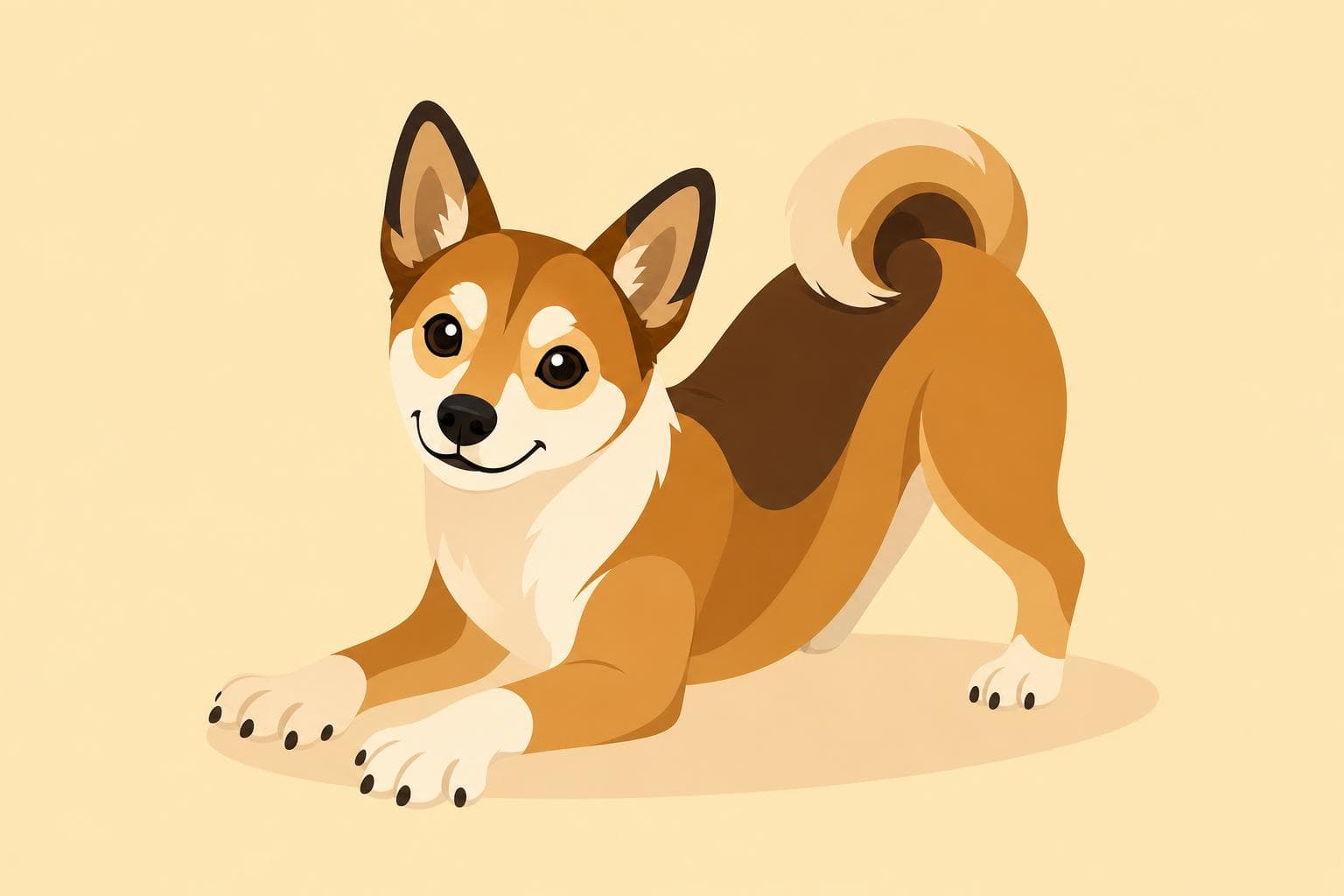
The Norwegian Lundehund is a cheerful, quirky little dog with a personality that's hard not to love. Originally bred to climb cliffs and hunt puffins in Norway, they're agile, curious, and surprisingly athletic for their size. In a family home, they tend to be sweet and affectionate with their people while remaining a bit reserved with strangers. They're playful without being overwhelming, making them a fun companion for households that enjoy an engaged, busy little dog.
Behavior & traits
- affectionate with family
- playful with kids
- alert watchdog
- independent thinker
- social with other dogs
Health concerns
Lundehunds are most known for Lundehund Syndrome, a group of digestive disorders that can affect nutrient absorption and require lifelong dietary management. Families should plan for regular vet checkups and be prepared to work closely with their vet on a tailored feeding plan. With good care, many Lundehunds live long, happy lives well into their teens.
Responsible breeding and regular check-ups go a long way. Always ask breeders about health testing.
Feeding & nutrition
Because of their sensitive digestive systems, Lundehunds often do best on high-quality, easily digestible food, sometimes split into smaller meals throughout the day. Many owners work with their vet on protein levels and supplements to support gut health. Always keep fresh water available and monitor weight closely, as their small frame makes them prone to noticing even small changes.
Exercise needs
Lundehunds are energetic little explorers who thrive on daily walks, play sessions, and opportunities to climb, sniff, and investigate. A fenced yard is wonderful, but family hikes, agility games, and puzzle play all help meet their needs. Plan on about 45–60 minutes of activity a day, mixed with plenty of mental stimulation.
Living with a Norwegian Lundehund
Living with a Norwegian Lundehund is a bit like sharing your home with a tiny, four-legged acrobat — they have six toes on each foot, can bend their head back to touch their spine, and love to climb on furniture, shelves, and anywhere else they can reach. They're affectionate cuddlers with their family but can be wary of new faces, so early socialization makes a big difference. Housetraining is famously tricky with this breed, so families need patience, consistency, and a good sense of humor. They tend to bond closely with kids who respect their space and enjoy gentle, interactive play. Day to day, expect a curious shadow following you around, an alert little watchdog at the window, and a loving companion curled up beside you at night.
Recommended products
A sturdy, well-fitted harness is essential — Lundehunds have a unique build and can slip out of standard collars when they're climbing or wiggling. Stock up on enzyme-friendly, sensitive-stomach food and slow-feeder bowls to support their digestive health, plus puzzle toys and snuffle mats to keep their clever minds engaged. A soft slicker brush helps manage their double coat during seasonal sheds, and baby gates are a smart investment for managing their climbing adventures and aiding house-training.
Reads for Norwegian Lundehund owners
![[header] Border Collie with puzzle toys](/_next/image?url=https%3A%2F%2Fimages.ctfassets.net%2Fq8y32akc6zms%2F7eTvC6qBF3gqDFvQSzcpXM%2Fa35b628bfd670bfc52bf4bcd532fc1b6%2Fheader.jpg&w=3840&q=75)
Engaging Activities for Border Collies: A How-To Guide
Is your Border Collie always on the lookout for something to do? Dive into engaging mental activities that will keep their sharp minds busy and entertained!
![[header] Senior dog resting on an orthopedic bed while a puppy waits](/_next/image?url=https%3A%2F%2Fimages.ctfassets.net%2Fq8y32akc6zms%2F4EwnObSBED8EN4IbvFJgaN%2Fc15a1446d531fd28d8e6854c46c3de7f%2Fheader.jpg&w=3840&q=75)
Before the Puppy Arrives: A Pre-Arrival Checklist for Your Senior Dog
Your calm senior dog has been quietly compensating for aches, stiffness, and fading senses for years — and a new puppy is about to expose all of it. This pre-arrival checklist walks you through the vet workup, pain baseline, and home setup to tackle in the weeks *before* pickup day, so your older dog isn't blindsided by the chaos.
![[header] Small dog wearing a soft mesh harness walking on a sunny pat](/_next/image?url=https%3A%2F%2Fimages.ctfassets.net%2Fq8y32akc6zms%2F3p03PzT9zANgbTC9dAOMJ2%2Ff95efe8539856e9489ef9bd4e861c4ba%2Fheader.jpg&w=3840&q=75)
Comfortable Harnesses for Small Dogs Prone to Tracheal Collapse
Is your small dog coughing from their collar? Discover harnesses designed for pups prone to tracheal collapse, offering protection and comfort with every walk.