Norwich Terrier
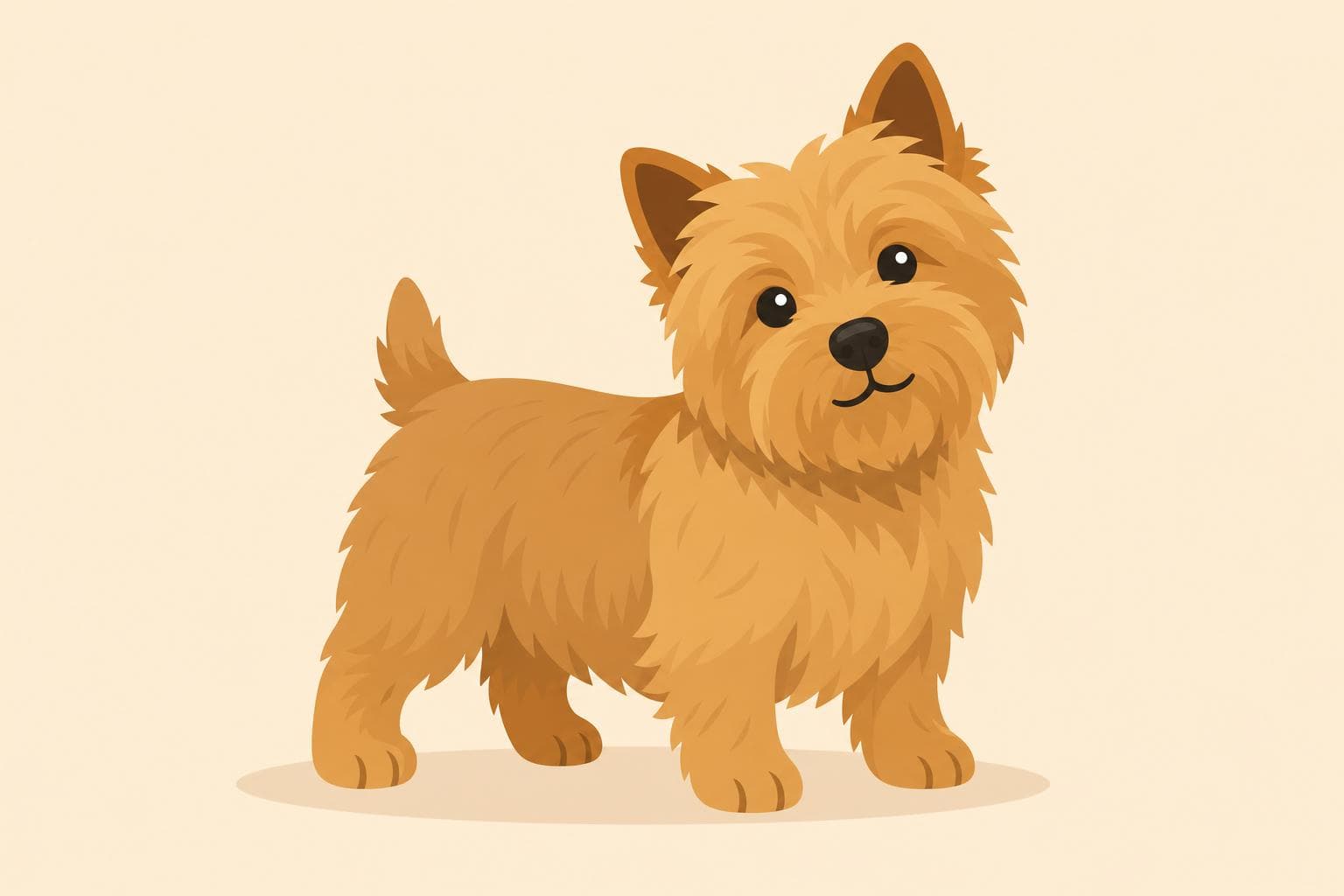
Norwich Terriers are big personalities packed into pint-sized bodies, blending the spunk of a true terrier with a genuinely affectionate, people-loving streak. Unlike some terriers, Norwichs tend to be more cooperative and less scrappy, making them a wonderful fit for busy family homes. They love being in the middle of the action, whether that's a board game night, backyard play, or a snuggle on the couch. Expect a curious little explorer who's confident, cheerful, and rarely shy.
Behavior & traits
- affectionate with family
- great with kids
- alert watchdog
- playful
- friendly with other dogs
Health concerns
Norwich Terriers are generally a hardy breed, but families should be aware of potential issues like hip dysplasia, luxating patellas, and a breed-specific condition called Upper Airway Syndrome that can affect breathing. Dental care is also important, as small breeds are prone to tartar buildup. Choosing a reputable breeder who health-tests parents goes a long way toward a long, healthy life.
Responsible breeding and regular check-ups go a long way. Always ask breeders about health testing.
Feeding & nutrition
A high-quality small-breed kibble or well-balanced fresh food works well, typically split into two measured meals a day to prevent weight gain. Norwichs love their food and can pack on pounds quickly, so watch treats carefully — especially if the kids love to share snacks. Keeping them lean protects their joints and back over the long haul.
Exercise needs
Plan on about 30–60 minutes of activity daily, which can be split into walks, backyard play, and indoor games. They're surprisingly athletic and love a good game of fetch, a puzzle toy, or a sniff-filled neighborhood stroll with the kids. Mental stimulation matters just as much as physical exercise — a bored Norwich may dig or bark to entertain itself.
Living with a Norwich Terrier
Living with a Norwich Terrier feels like having a tiny, cheerful sidekick who's always up for whatever the day brings. They'll follow family members from room to room, supervise homework, and happily curl up underfoot while you cook dinner. Most Norwichs are wonderful with children — playful but not fragile, affectionate without being needy — and they typically get along with other dogs and even cats they're raised alongside. Be prepared for a true watchdog: they'll alert-bark at the doorbell, the mail carrier, and the occasional suspicious squirrel. Their terrier roots also mean they love to dig and chase, so a secure yard and a sense of humor go a long way.
Recommended products
A well-fitted Y-shaped harness is gentler on their small frame than a collar for walks, and a sturdy 6-foot leash keeps them safely close on adventures. For grooming, invest in a stripping knife or comb to maintain their wiry coat, plus a small-breed toothbrush for regular dental care. Durable chew toys, treat-dispensing puzzles, and a cozy small-dog bed round out the essentials — and don't skip a tick comb if your family loves hiking, since Norwichs are natural explorers.
Reads for Norwich Terrier owners
![[header] Border Collie with puzzle toys](/_next/image?url=https%3A%2F%2Fimages.ctfassets.net%2Fq8y32akc6zms%2F7eTvC6qBF3gqDFvQSzcpXM%2Fa35b628bfd670bfc52bf4bcd532fc1b6%2Fheader.jpg&w=3840&q=75)
Engaging Activities for Border Collies: A How-To Guide
Is your Border Collie always on the lookout for something to do? Dive into engaging mental activities that will keep their sharp minds busy and entertained!
![[header] Senior dog resting on an orthopedic bed while a puppy waits](/_next/image?url=https%3A%2F%2Fimages.ctfassets.net%2Fq8y32akc6zms%2F4EwnObSBED8EN4IbvFJgaN%2Fc15a1446d531fd28d8e6854c46c3de7f%2Fheader.jpg&w=3840&q=75)
Before the Puppy Arrives: A Pre-Arrival Checklist for Your Senior Dog
Your calm senior dog has been quietly compensating for aches, stiffness, and fading senses for years — and a new puppy is about to expose all of it. This pre-arrival checklist walks you through the vet workup, pain baseline, and home setup to tackle in the weeks *before* pickup day, so your older dog isn't blindsided by the chaos.
![[header] Small dog wearing a soft mesh harness walking on a sunny pat](/_next/image?url=https%3A%2F%2Fimages.ctfassets.net%2Fq8y32akc6zms%2F3p03PzT9zANgbTC9dAOMJ2%2Ff95efe8539856e9489ef9bd4e861c4ba%2Fheader.jpg&w=3840&q=75)
Comfortable Harnesses for Small Dogs Prone to Tracheal Collapse
Is your small dog coughing from their collar? Discover harnesses designed for pups prone to tracheal collapse, offering protection and comfort with every walk.